

Think eating fat is the enemy of your metabolism? Think again.
Healthy fats like omega-3s, monounsaturated fats, and medium-chain triglycerides help insulin work better, lower inflammation, and keep you full longer.
This post breaks down the best food sources (fatty fish, avocados, nuts, seeds, olive oil), explains why each one helps metabolic health, and gives simple swaps you can use at the grocery store.
Read on to learn the easy, practical moves that make a real difference.
Key Types of Healthy Fats That Improve Metabolic Health

Healthy fats stay liquid at room temperature and do real work in your body. They’re mostly unsaturated, and they help with things like cholesterol balance, blood sugar regulation, inflammation control, and getting vitamins A, D, E, and K where they need to go. For most people, swapping some saturated fats and refined carbs for these healthier options is one of the easiest ways to support long-term metabolic function.
You’ve got a few main categories: omega-3 fatty acids, monounsaturated fats, polyunsaturated fats, and medium-chain triglycerides. Each one works a bit differently, but they all help with insulin sensitivity, inflammation, and energy regulation. Omega-3s are big on reducing inflammation and lowering triglycerides. Monounsaturated fats improve how your body handles insulin and show up a lot in Mediterranean eating patterns. Polyunsaturated fats include both omega-3s and omega-6s, which your body needs but can’t make. Medium-chain triglycerides get absorbed fast and can boost fat burning and ketone production.
Here’s what you’re working with:
- Omega-3 fatty acids (EPA, DHA, ALA)
- Monounsaturated fats (MUFAs)
- Polyunsaturated fats (PUFAs, including omega-3 and omega-6)
- Medium-chain triglycerides (MCTs)
- Balanced omega-6 intake relative to omega-3s
A smart approach is eating a mix of whole-food sources across these categories throughout the week. Think fatty fish, nuts, seeds, avocados, olives, and quality oils in your meals. You don’t need to obsess over grams or percentages. Just build a pattern where healthy fats replace less helpful options like processed snacks, fried foods, and too much butter or margarine.
The Metabolic Advantages of Monounsaturated Fats
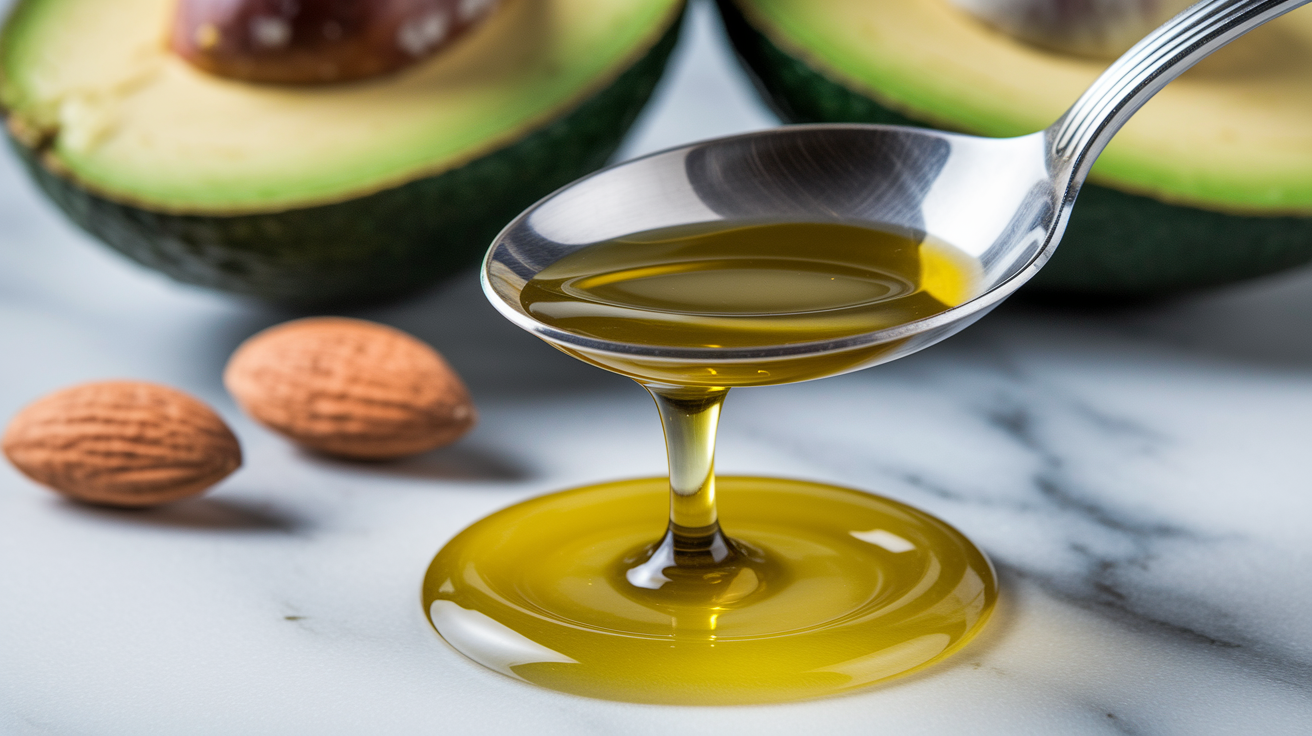
Monounsaturated fats improve how your body responds to insulin and lower markers of chronic inflammation. When you replace refined carbs or saturated fats with MUFAs, your cells tend to become more responsive to insulin, keeping blood sugar steadier after meals. At the same time, MUFAs reduce circulating inflammatory markers like C-reactive protein and certain cytokines. Both of these are linked to metabolic dysfunction over time. This combo makes MUFAs especially useful if you’re managing blood sugar, weight, or cardiovascular risk.
Foods high in monounsaturated fats:
- Extra-virgin olive oil
- Avocados
- Almonds
- Macadamia nuts
Getting MUFAs into your day is pretty straightforward. Use olive oil for dressings and low-heat cooking, add half an avocado to lunch, or keep a small container of almonds or macadamia nuts for snacks. A tablespoon of olive oil on a salad or drizzled over roasted vegetables gives you about 10 grams of fat, mostly monounsaturated. Half an avocado adds roughly 10 to 15 grams of fat along with fiber and potassium. A small handful of almonds delivers around 14 grams of fat, most of it monounsaturated, plus protein and vitamin E. What matters is consistency. Use these foods regularly across meals instead of trying to hit a specific daily target.
Omega-3 Fatty Acids and Their Role in Insulin Sensitivity

Omega-3 fatty acids, especially EPA and DHA from fish, help your cells respond better to insulin, lower triglyceride levels, and reduce systemic inflammation. When inflammation stays high, it messes with insulin signaling, which can lead to higher blood sugar and increased fat storage. Omega-3s also seem to improve cell membrane flexibility, making it easier for glucose to enter cells when insulin shows up. These effects are dose-dependent. The more consistently you include omega-3-rich foods, the stronger the benefit.
Fatty fish like salmon, sardines, and tuna pack the most EPA and DHA. Plant sources like chia seeds, flaxseeds, and walnuts provide ALA, a shorter-chain omega-3 your body can convert to EPA and DHA, though the conversion rate is low. For most people, eating fatty fish twice a week covers baseline omega-3 needs. If you don’t eat fish, you can get some benefit from plant sources, but you may need to eat them more often or consider an algae-based supplement to hit the same EPA and DHA intake.
A practical weekly target is two servings of fatty fish, each about 3.5 ounces cooked. That typically delivers between 1 and 5 grams of combined EPA and DHA for the week, depending on the fish. If you prefer plant sources, aim for a tablespoon of ground flaxseed or chia seeds most days, or a small handful of walnuts. You can add ground flax or chia to oatmeal, yogurt, or smoothies. Canned sardines or salmon work well on salads or whole-grain crackers when fresh fish isn’t convenient.
| Food Source | Omega-3 Type | Typical Amount Per Serving |
|---|---|---|
| Salmon (3.5 oz cooked) | EPA + DHA | 1.5–2.5 g |
| Sardines (3.5 oz canned) | EPA + DHA | 1.0–1.5 g |
| Flaxseed (1 tbsp ground) | ALA | 1.6–2.4 g |
| Chia seeds (1 tbsp) | ALA | 1.5–2.0 g |
Medium-Chain Triglycerides and Their Thermogenic Effects

Medium-chain triglycerides get absorbed directly from the small intestine into the bloodstream without needing to be packaged into larger fat particles first. They skip most of the usual fat digestion process and head straight to the liver, where they’re quickly burned for energy or converted into ketones. Because of this rapid metabolism, MCTs increase the amount of energy your body burns as heat and can slightly boost fat oxidation during the hours after you eat them.
Start with a small amount, about one teaspoon of MCT oil, and work up to one to three tablespoons per day if you tolerate it well. Some people get digestive discomfort, loose stools, or stomach cramping when they take too much MCT oil at once. It’s better to add it gradually and split the dose across meals. Coconut oil contains about 55 to 65 percent MCTs, so it provides some of the same benefits but in a less concentrated form. Research using 10 to 30 grams of MCTs per day has shown modest increases in energy expenditure and fat burning, but the effect is context-dependent. It works best when MCTs replace other fats or refined carbs rather than simply adding extra calories on top of your usual intake.
Whole-Food Sources of Healthy Fats That Boost Metabolic Function
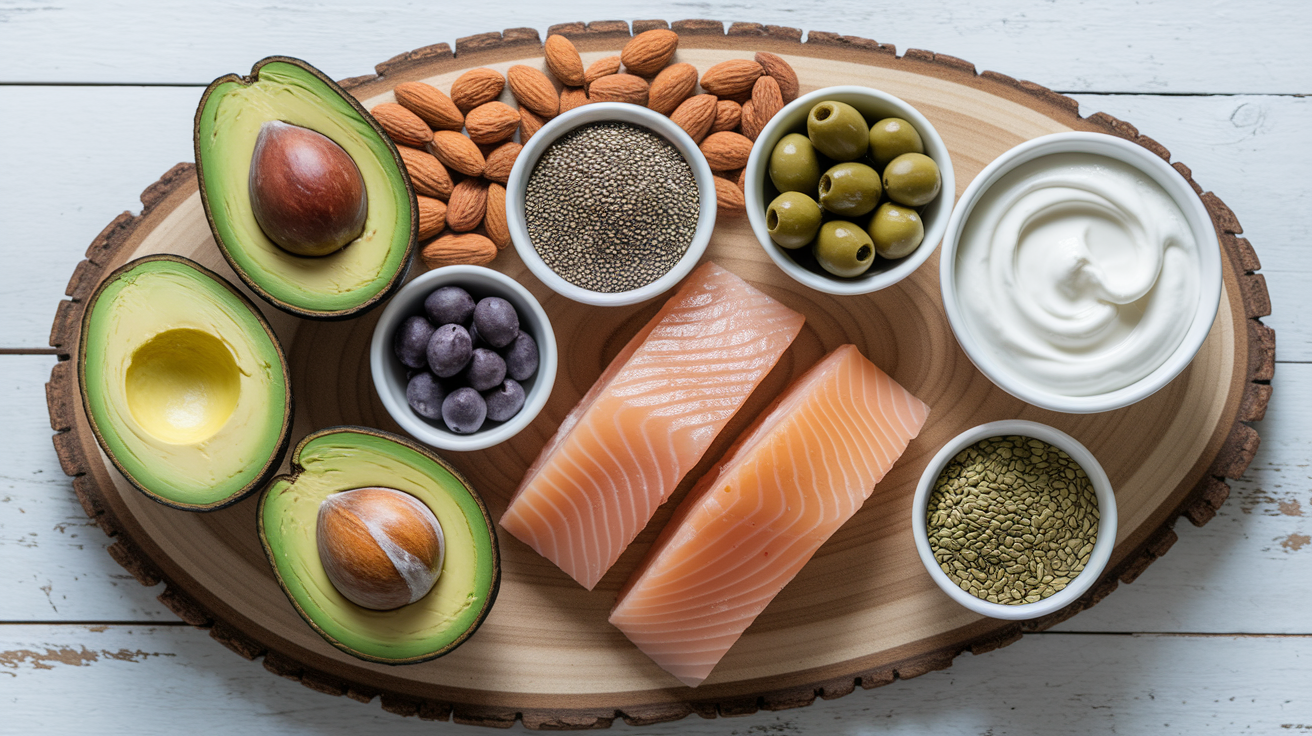
Whole-food sources of healthy fats come with fiber, vitamins, minerals, and phytochemicals that work together to support metabolism in ways isolated oils or supplements can’t match. Fiber slows digestion, which smooths out blood sugar swings and keeps you full longer. Vitamins like E and K support cellular repair and cardiovascular health. The natural nutrient matrix in foods like avocados, nuts, and seeds enhances absorption and provides antioxidant protection that helps reduce oxidative stress and inflammation.
Whole-food sources rich in healthy fats:
- Avocados
- Nuts (almonds, walnuts, cashews)
- Seeds (chia, flax, hemp)
- Full-fat yogurt
- Olives
- Fatty fish
A serving of nuts is about one ounce, roughly a small handful or ten almonds. One ounce delivers around 14 to 18 grams of fat, plus 3 to 6 grams of protein and a few grams of fiber, depending on the nut. Half an avocado provides about 10 to 15 grams of fat, 5 to 7 grams of fiber, and meaningful amounts of potassium, folate, and vitamins C and E. A tablespoon of chia or flax seeds adds healthy fat, omega-3s, and fiber to oatmeal, yogurt, or smoothies without much effort.
You can layer these foods into meals throughout the day. Add sliced avocado to your morning eggs or whole-grain toast. Toss a handful of walnuts or almonds into a salad at lunch. Stir chia seeds into yogurt or blend them into a smoothie. Use hemp seeds as a topping for grain bowls or roasted vegetables. Keep a small container of mixed nuts and a piece of fruit at your desk for an easy afternoon snack. The idea is making whole-food fats a regular part of your meals instead of treating them as optional extras.
How Healthy Fats Improve Satiety, Appetite Control, and Blood Sugar Stability

When you eat fat, your digestive system releases hormones like cholecystokinin and peptide YY that signal fullness to your brain. These hormones slow down the urge to eat again soon after a meal and help you feel satisfied on fewer total calories. Fat also triggers bile release and slows the rate at which food moves through your stomach, extending the feeling of fullness and reducing the likelihood of blood sugar spikes and crashes.
Fat slows gastric emptying. Food stays in your stomach longer and enters your bloodstream more gradually. This steadier release of glucose into the blood helps prevent sharp post-meal blood sugar peaks that can lead to energy crashes and cravings an hour or two later. When you pair fat with carbohydrate-rich foods, the fat buffers the glycemic response, making the overall meal more metabolically stable.
Practical examples? Add a tablespoon of olive oil to a bowl of pasta and vegetables, spread half an avocado on toast instead of jam, or eat a small handful of nuts alongside an apple. A piece of fruit by itself can spike blood sugar quickly in some people. But when you add a source of fat or protein, the response is smoother. A salad dressed with olive oil and vinegar will keep you fuller longer than the same salad with a fat-free dressing, even if the calorie difference is small.
Balancing Omega-6 and Omega-3 for Better Metabolic Outcomes

Omega-6 polyunsaturated fats are necessary for health. They play important roles in cell structure, immune function, and blood clotting. The issue isn’t that omega-6 fats are harmful. Most people just eat far more omega-6 than omega-3, which can tip the balance toward pro-inflammatory signaling pathways. A more balanced ratio supports better metabolic outcomes, including improved insulin sensitivity and lower markers of chronic inflammation.
Omega-6-rich oils commonly used in cooking and processed foods:
- Sunflower oil
- Safflower oil
- Soybean oil
Rather than avoiding omega-6 fats entirely, the simpler strategy is increasing your intake of omega-3s from fish, flaxseed, chia seeds, and walnuts. When you eat more omega-3s, the ratio naturally improves without needing to obsess over every cooking oil. Use olive oil or avocado oil as your primary cooking fats and save the highly refined seed oils for occasional use. Sesame oil contains some omega-6, but it also provides antioxidants and has a strong flavor. You only need a small amount to add depth to stir-fries and dressings.
Choosing the Right Cooking Oils for Metabolic Health
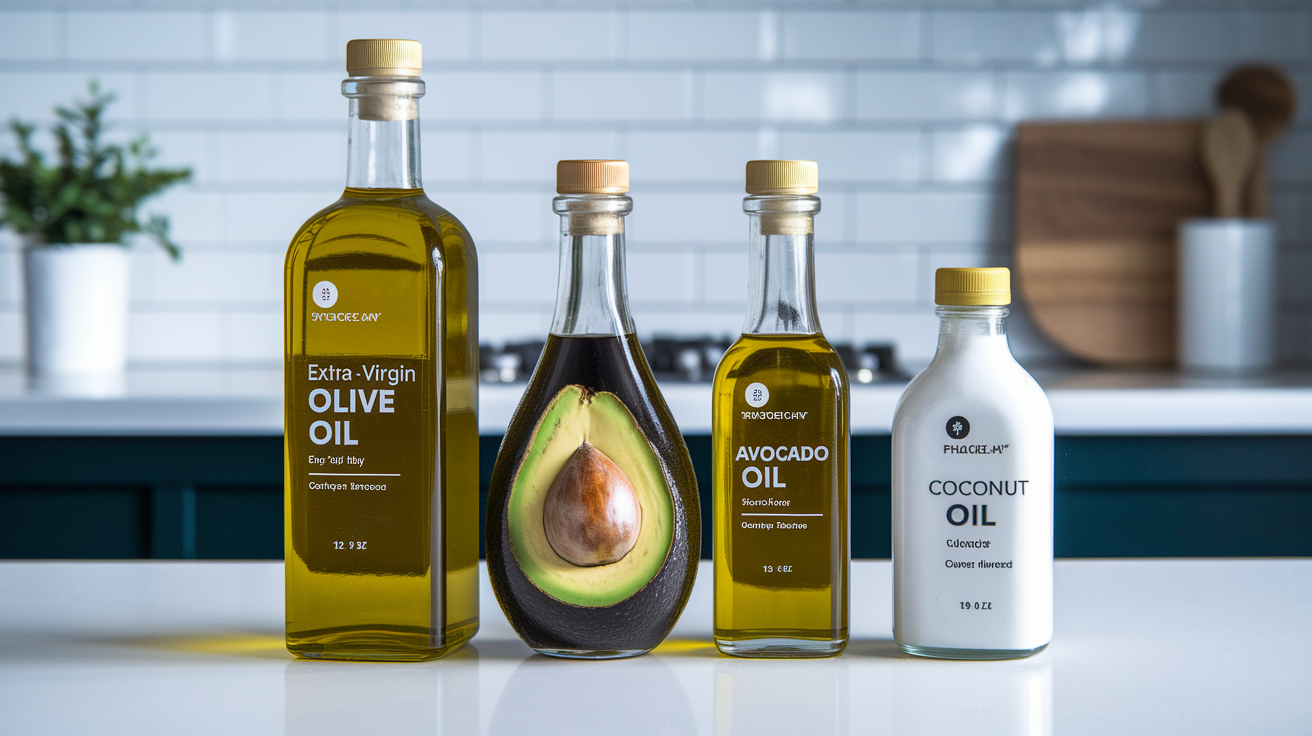
Heat can break down beneficial compounds in oils, create oxidation products, and reduce the nutritional quality of the fat you’re eating. Oils high in polyunsaturated fats are more vulnerable to heat damage. Oils high in monounsaturated or saturated fats tend to be more stable. Choosing an oil that matches your cooking method helps preserve the health benefits and keeps unwanted compounds out of your food.
Extra-virgin olive oil is high in monounsaturated fats and contains polyphenol antioxidants that support metabolic health. It works well for low to medium heat cooking, salad dressings, and drizzling over finished dishes. Avocado oil has a higher smoke point and a more neutral flavor, so it handles higher heat cooking like sautéing, roasting, or stir-frying without breaking down as quickly. Both oils are better choices than highly refined seed oils for everyday cooking.
For dressings and finishing, stick with extra-virgin olive oil to get the full antioxidant benefit. Use avocado oil when you need higher heat or a milder taste. Store your oils in a cool, dark place. Buy them in smaller bottles if you don’t use them often, since exposure to light, heat, and air all degrade quality over time.
| Oil | Primary Fat Type | Best Use |
|---|---|---|
| Extra-virgin olive oil | Monounsaturated | Dressings, low–medium heat cooking |
| Avocado oil | Monounsaturated | High-heat cooking, sautéing, roasting |
| Coconut oil | Saturated (with MCTs) | Moderate-heat cooking, baking |
Practical Ways to Add Healthy Fats to Daily Meals
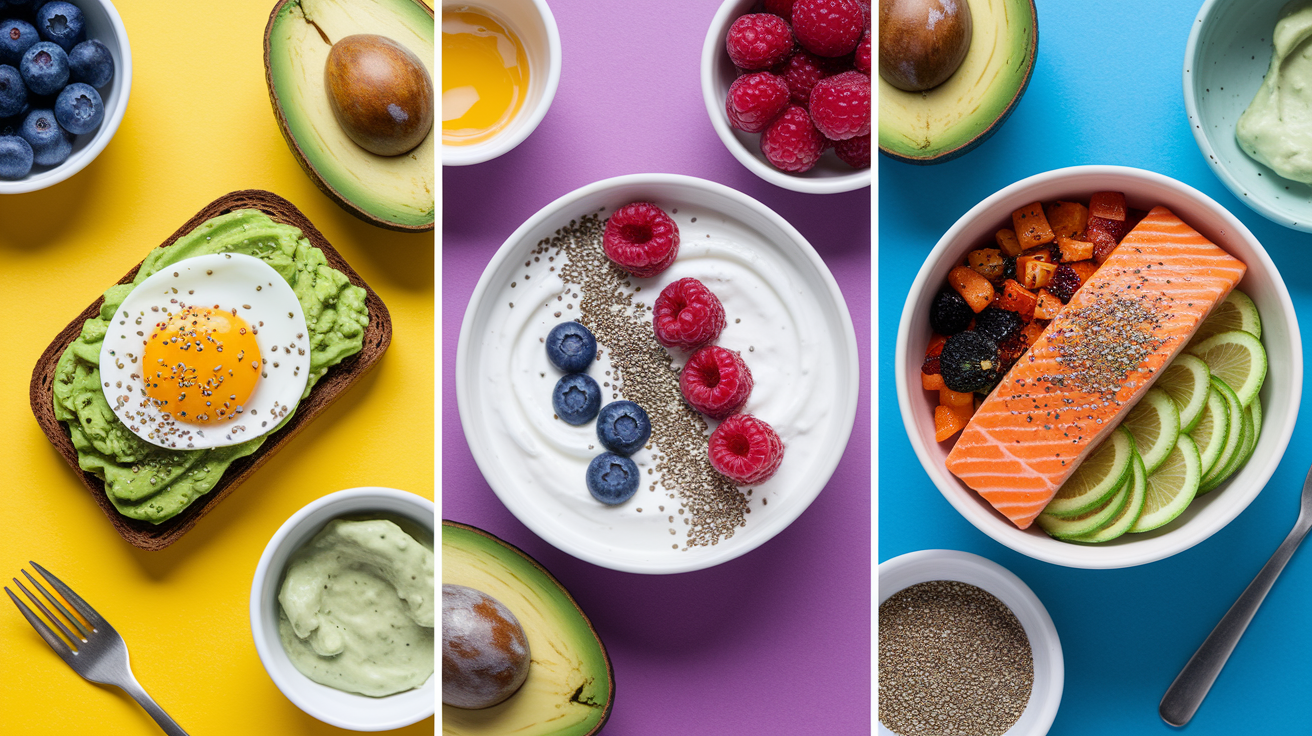
Pairing fats with protein and carbohydrates at each meal creates a more balanced macronutrient profile that supports steady energy, better blood sugar control, and longer-lasting fullness. Fat slows digestion, protein provides amino acids and satiety signals, and carbohydrates supply quick energy. When all three are present, your body processes the meal more gradually. This prevents the sharp ups and downs that lead to mid-afternoon crashes or late-night cravings.
Simple ways to include healthy fats in daily meals:
- A small handful of almonds or walnuts with an apple or banana
- Half an avocado on whole-grain toast with a poached egg
- Olive oil and lemon juice as a dressing for salads with grilled chicken
- Chia pudding made with unsweetened almond milk and topped with berries
- Full-fat plain yogurt mixed with ground flaxseed and a drizzle of honey
- Baked salmon with roasted vegetables and a side of quinoa
Swapping processed fats for whole-food fats makes a bigger difference than most people expect. Replace butter or margarine with mashed avocado on toast. Use olive oil instead of butter for sautéing vegetables. Choose full-fat yogurt over low-fat versions that add sugar to make up for flavor. Snack on nuts instead of crackers or chips. Cook with avocado oil instead of vegetable or canola oil when you need higher heat.
Meal planning helps you keep healthy fats in rotation without overthinking it. Stock your pantry with olive oil, a jar of almond butter, canned sardines or salmon, and a bag of mixed nuts. Keep a few avocados on the counter and let them ripen throughout the week. Buy frozen salmon fillets so you always have a quick, high-quality protein and fat source on hand. When you plan meals around whole foods and include a fat source at each eating occasion, you build a sustainable pattern that supports metabolic health over time.
Fats to Limit or Avoid for Better Metabolic Health

Trans fats raise LDL cholesterol, lower HDL cholesterol, increase systemic inflammation, and impair insulin sensitivity. They’re created when liquid oils are chemically altered to become solid at room temperature, a process called partial hydrogenation. Even small amounts of trans fats have been shown to worsen metabolic health, which is why many countries have banned or restricted their use in food manufacturing. Excessive saturated fat can also raise LDL cholesterol. When eaten in large amounts alongside refined carbs, it may worsen blood sugar control and increase fat storage around the organs.
Fats to limit or avoid:
- Partially hydrogenated oils (trans fats)
- Excessive butter, lard, or fatty cuts of red meat
- Highly refined seed oils used in ultra-processed snacks
- Fried foods from restaurants that reuse frying oil
Check ingredient labels for “partially hydrogenated oil” and avoid products that list it, even if the nutrition facts panel says zero grams of trans fat per serving. Small amounts can add up if you eat multiple servings or several processed foods in a day. Reduce your intake of packaged snacks, baked goods, and fried fast food. These tend to be high in both trans fats and low-quality refined oils. When you do use butter or coconut oil, keep portions small and balance them with plenty of unsaturated fats from fish, nuts, seeds, avocados, and olive oil. The goal isn’t perfection. It’s a clear shift toward fats that support metabolic function rather than undermine it.
Final Words
Reach for a mix. The post laid out the main types—omega‑3s, MUFAs, PUFAs, and MCTs—and why whole foods like avocado, nuts, seeds, fatty fish, and olive oil matter for metabolism.
We covered MUFA advantages, omega‑3s and insulin sensitivity, MCTs for quick energy, balancing omega‑6, picking cooking oils, and simple swaps to cut trans and extra saturated fats.
Use those pairing tips to build filling meals and steady blood sugar. Focus on variety—healthy fats that support metabolic health—and keep making small, doable choices.
FAQ
Q: What are the 5 superfoods in Metaboost?
A: The five superfoods in Metaboost vary by formula, so check the label. Commonly marketed ingredients include turmeric, green tea extract, ginger, garcinia cambogia, and black pepper (piperine).
Q: What is the 3-3-3 rule for eating?
A: The 3-3-3 rule for eating usually refers to a simple pattern: eat roughly every three hours, aim to include three macronutrient types (protein, fiber, healthy fat), and keep portions balanced; meanings vary by source.
Q: What are high fat foods for Accutane?
A: High-fat foods for Accutane are moderate, absorption-helping fats like avocado, olive oil, nuts, full-fat yogurt, and oily fish—eat one of these with your dose to improve medication uptake.
Q: What are the healthiest fats to eat?
A: The healthiest fats to eat are unsaturated types—omega‑3s, monounsaturated fats, PUFAs, and MCTs. Think salmon, olive oil, avocados, nuts, and seeds for metabolic and heart-supporting benefits.

