

Think a granola bar is a safe choice? Think again.
If you’re snacking between meals, the right pick keeps blood sugar steady and energy even; the wrong one can send glucose climbing fast.
The secret is simple: protein, fiber, and healthy fat slow how quickly carbs hit your bloodstream.
Below you’ll find practical, ready-to-eat snacks that use that mix, plus quick tags for what to grab when you’re rushed, craving something sweet, or trying to make it to dinner without a crash.
Blood-Sugar-Steady Snack Options That Deliver Immediate Practical Guidance
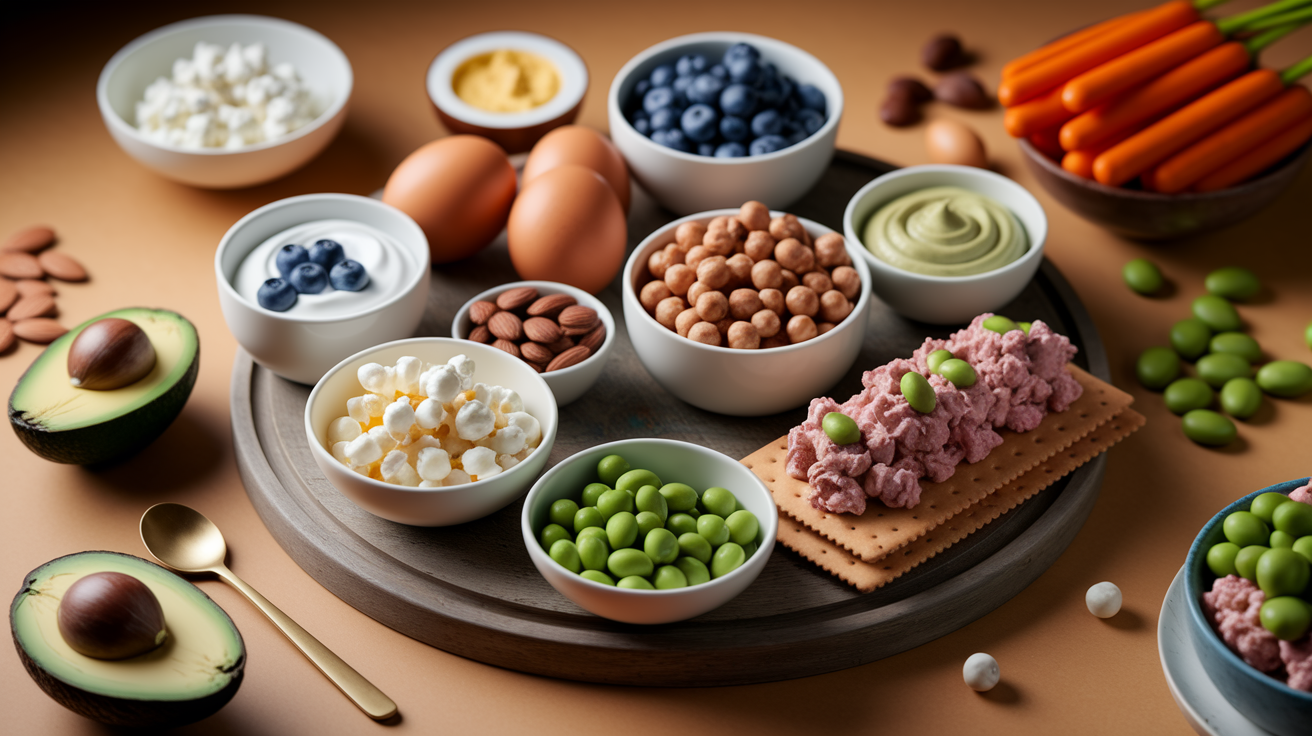
When you’re hungry between meals, the right snack keeps your blood sugar steady. The wrong one sends it climbing fast. The difference usually comes down to three things: protein, fiber, and healthy fats. Foods rich in these slow down how quickly glucose enters your bloodstream, which means less of a spike and more sustained energy.
Here’s a list of snacks that combine those elements in practical, ready-to-eat portions. Each item includes a quick tag to help you match it to your situation.
Hard-boiled eggs – 1 large egg delivers 6.3 g protein and only about 0.5 g carbs. Best if you need something fast. Peel it and eat it in under a minute.
Plain Greek yogurt with berries – A 156 g container of plain nonfat Greek yogurt plus 1 cup (150 g) blueberries totals around 27.38 g carbs but includes 3.6 g fiber from the berries. Best high-protein option for a sweet craving.
Almonds – 28 g (about 23 almonds) gives you just under 6 g carbs and about 3 g fiber. Best if you need grab-and-go portability.
Hummus and baby carrots – 2 tablespoons hummus plus 100 g baby carrots equals 15 g carbs. A 2020 study with 39 healthy adults showed that an afternoon hummus snack reduced glucose response and increased satiety. Best desk or car snack.
Avocado – 100 g supplies about 8 g carbs, mostly from fiber. A 2023 study in a Hispanic/Latino cohort with type 2 diabetes linked regular avocado intake to lower HbA1c and fasting glucose. Best when you want filling healthy fats.
Roasted chickpeas – 1/2 cup (82 g) packs about 7 g protein, 6 g fiber, and 22.45 g carbs. Best crunchy alternative to chips.
Air-popped popcorn – 3 cups (24 g) contains 93 calories, 3 g fiber, and about 18 g carbs. Best if you want volume and crunch for minimal calories.
Cottage cheese – 1/2 cup (112 g) delivers about 13 g protein and only 4 g carbs. A 2019 review found dairy may decrease insulin resistance. Best bedtime snack to hold you through the night.
Edamame – 1 cup (155 g) offers 18.4 g protein, 14 g carbs, and 8 g fiber. Best high-protein plant option.
Tuna salad – 85 g canned tuna in water gives about 21 g protein and 0 g carbs; add 1 tablespoon light mayo for roughly 2 g carbs. Best lean-protein choice if you can refrigerate it.
Understanding How Low-Glycemic Snacks Prevent Spikes
The glycemic index (GI) ranks foods by how quickly they raise blood glucose on a scale from 0 to 100, with pure glucose at 100. Low-GI foods score 55 or below and cause a gradual rise. Glycemic load (GL) refines the picture by multiplying GI by the grams of carbohydrate in your actual portion, then dividing by 100. A GL under 10 is considered low. Both tools point you toward snacks that won’t send your glucose soaring, but GL is often more useful because it accounts for real-world serving sizes.
What matters most is the mix of macronutrients on your plate. Protein slows gastric emptying, the rate at which your stomach empties food into the small intestine. Slower emptying means a slower trickle of glucose into the bloodstream. Fiber, especially soluble fiber, forms a gel in your digestive tract that delays carbohydrate absorption. Systematic reviews published between 2019 and 2024 consistently show that increasing dietary fiber improves glycemic control in people with type 2 diabetes. Healthy fats, particularly monounsaturated fats, also delay stomach emptying and blunt post-meal glucose peaks.
When a snack delivers all three (protein, fiber, and fat), it acts as a buffer. The carbohydrate is still there, but it hits your bloodstream in a slow, manageable wave instead of a sudden flood. That’s the core reason why a handful of almonds performs differently than a handful of gummy bears, even if the total carbs look similar on paper.
High-Protein Strategies for Steadier Blood Sugar
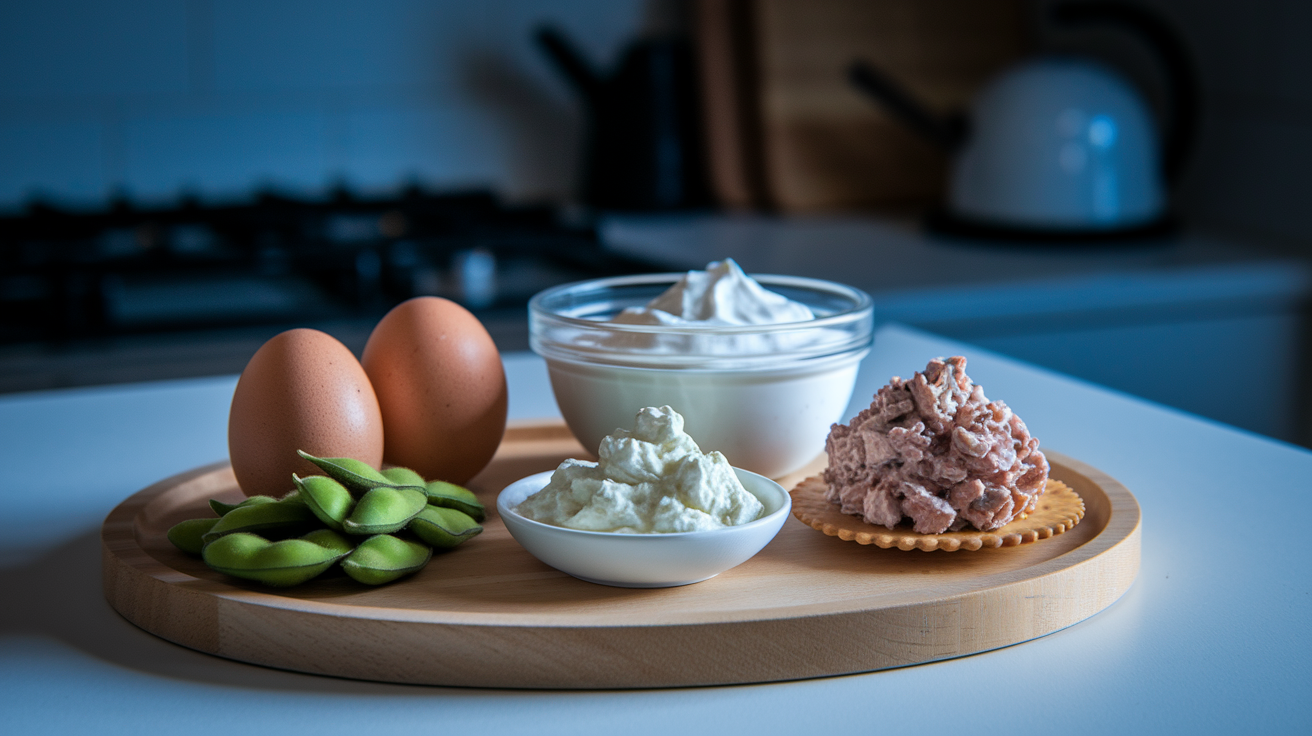
Protein is one of the simplest levers you can pull to keep glucose steady. It triggers the release of hormones that tell your brain you’re full, and it barely affects blood sugar on its own because your body converts very little protein into glucose under normal conditions. A 2019 review on dairy protein found that regular intake improved insulin sensitivity, meaning your cells respond more effectively to insulin and remove glucose from the blood faster.
To put this into practice, aim for at least 12 grams of protein per snack if your goal is sustained energy and minimal glucose movement. Pair lean proteins with a source of fiber to add volume and slow digestion even further. Select low-carb proteins, anything with fewer than 5 grams of carbohydrate per serving, to keep the overall glycemic load down. Use dairy strategically by choosing plain, unsweetened varieties and watching portion sizes, since dairy does contain natural lactose sugar.
Choose at least 12 g protein per snack to trigger satiety hormones and stabilize glucose.
Pair lean proteins with fiber so digestion slows from two angles at once.
Select low-carb proteins to avoid adding unnecessary glucose load.
Use dairy strategically by sticking to plain Greek yogurt or cottage cheese and measuring portions carefully.
As noted above, eggs or tuna fit this pattern perfectly. Both deliver high-quality protein with almost no carbohydrate, and they travel well if you prep them ahead.
Using Fiber to Slow Digestion and Reduce Spikes
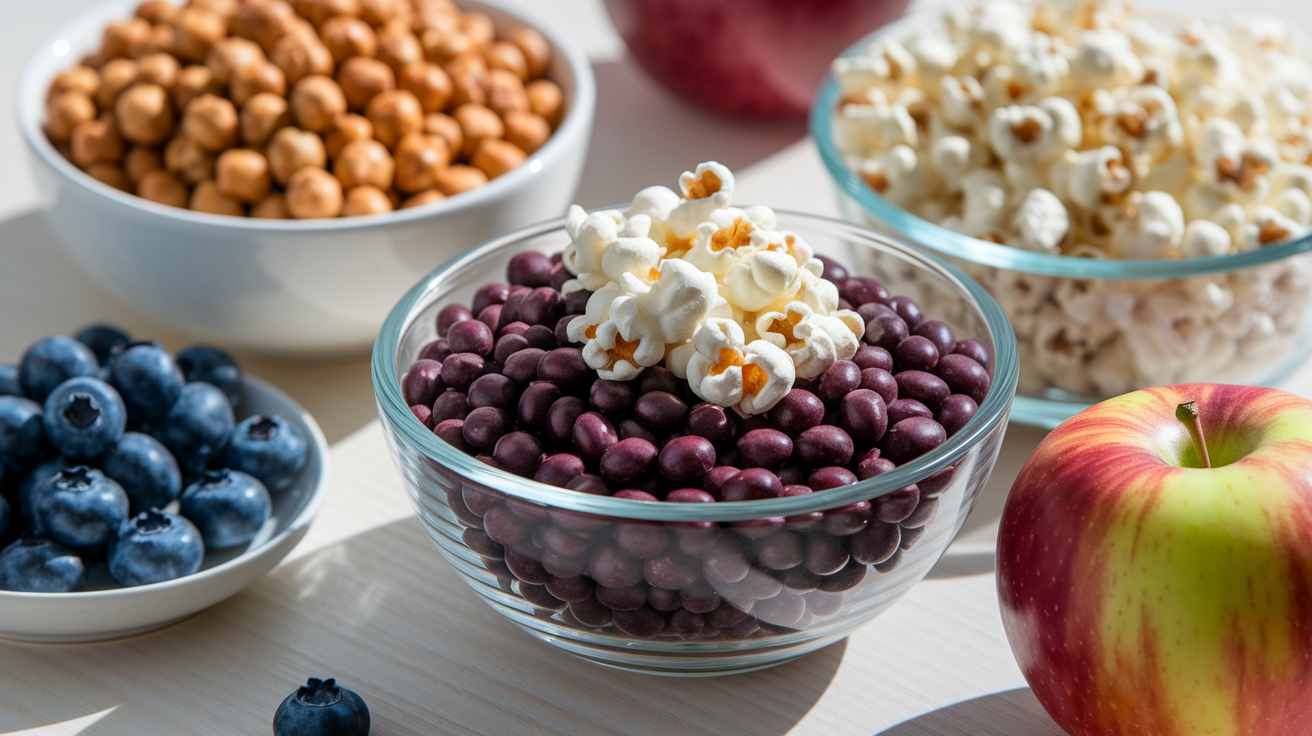
Fiber adds bulk and slows the movement of food through your intestines, which means carbohydrate breaks down and enters your bloodstream more gradually. Soluble fiber in particular dissolves in water to form a thick gel that physically delays glucose absorption. The foods below are ranked by fiber content per typical snack portion and focus on options not repeated in the protein or healthy-fat sections.
| Snack | Portion Size | Fiber Content |
|---|---|---|
| Roasted chickpeas | 1/2 cup (82 g) | 6 g |
| Blueberries | 1 cup (150 g) | 3.6 g |
| Air-popped popcorn | 3 cups (24 g) | 3 g |
| Black bean salad (1/4 recipe: 100 g black beans, 25 g onion, 25 g red bell pepper, ¼ tbsp olive oil) | ~150 g total | ~9 g |
| Medium apple with skin | 1 whole (~150 g) | ~4 g |
Use this table to compare fiber density when you’re deciding between snacks. If you’re combining a lower-fiber item like an apple with a protein source such as 2 tablespoons of peanut butter, the total fiber climbs and the pairing blunts the glucose rise even further.
Healthy-Fat Techniques for Slower Glucose Absorption
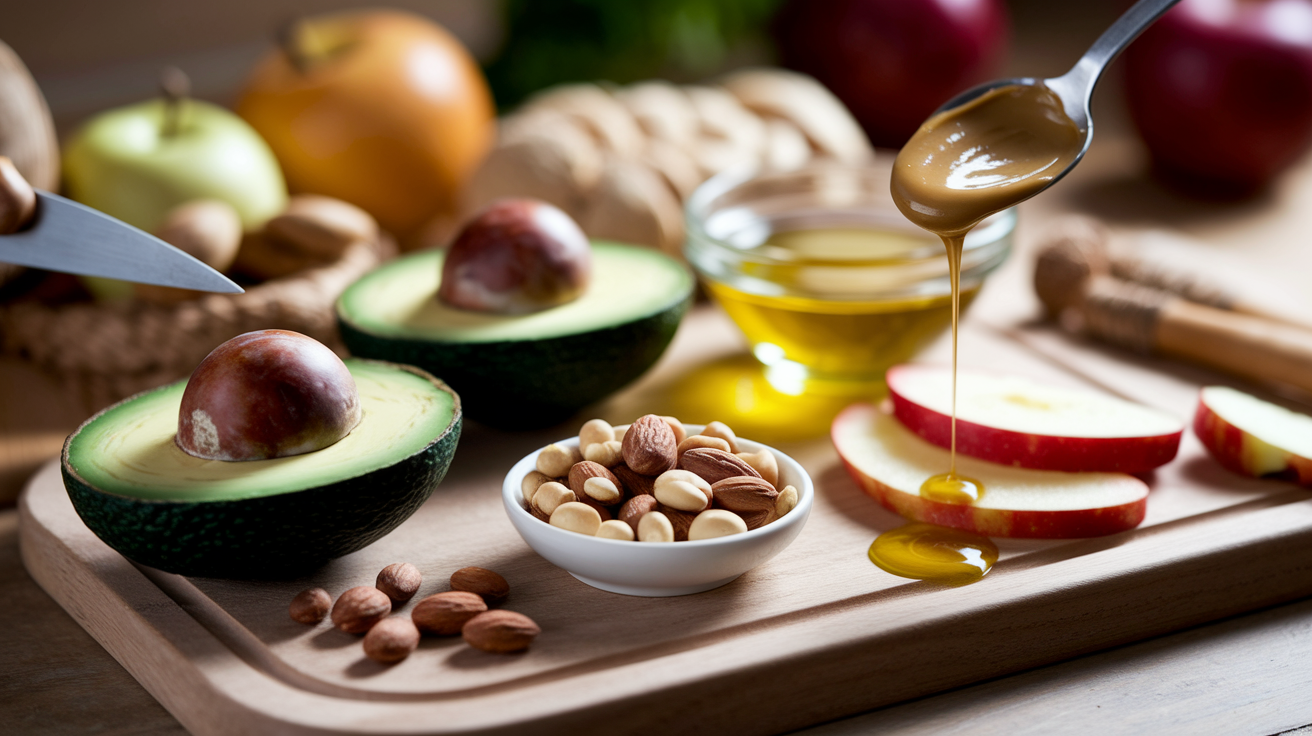
Healthy fats, especially monounsaturated and polyunsaturated fats, delay how quickly your stomach empties and help regulate the pace at which glucose appears in your blood. When fat is present in a meal or snack, your body releases hormones that signal fullness and slow digestion. The 2023 avocado study mentioned earlier showed that people with type 2 diabetes who ate avocado regularly had lower HbA1c and fasting glucose, likely because of the combination of fiber and monounsaturated fat.
Nuts are another versatile source. They deliver a mix of protein, fiber, and healthy fats in a single handful, which is why they appear on nearly every low-glycemic snack list.
To use fats strategically, add a fat source to any carb-heavy food. Spread almond butter on apple slices, drizzle olive oil on a small black bean salad, or stir a tablespoon of ground flaxseed into plain yogurt. Choose monounsaturated-rich options like avocado, almonds, cashews, or olive oil whenever possible. Use small, measured servings because fats are calorie-dense. A tablespoon of any nut butter is roughly 90 to 100 calories, and it’s easy to double or triple that without noticing.
Add a fat source to carb-heavy foods to slow gastric emptying and blunt glucose peaks.
Choose monounsaturated-rich options such as avocado, nuts, or olive oil for the strongest evidence on heart and metabolic health.
Use small, measured servings since fats pack about 9 calories per gram, more than double the density of protein or carbs.
Low-Carb Frameworks to Avoid Rapid Blood Sugar Rises
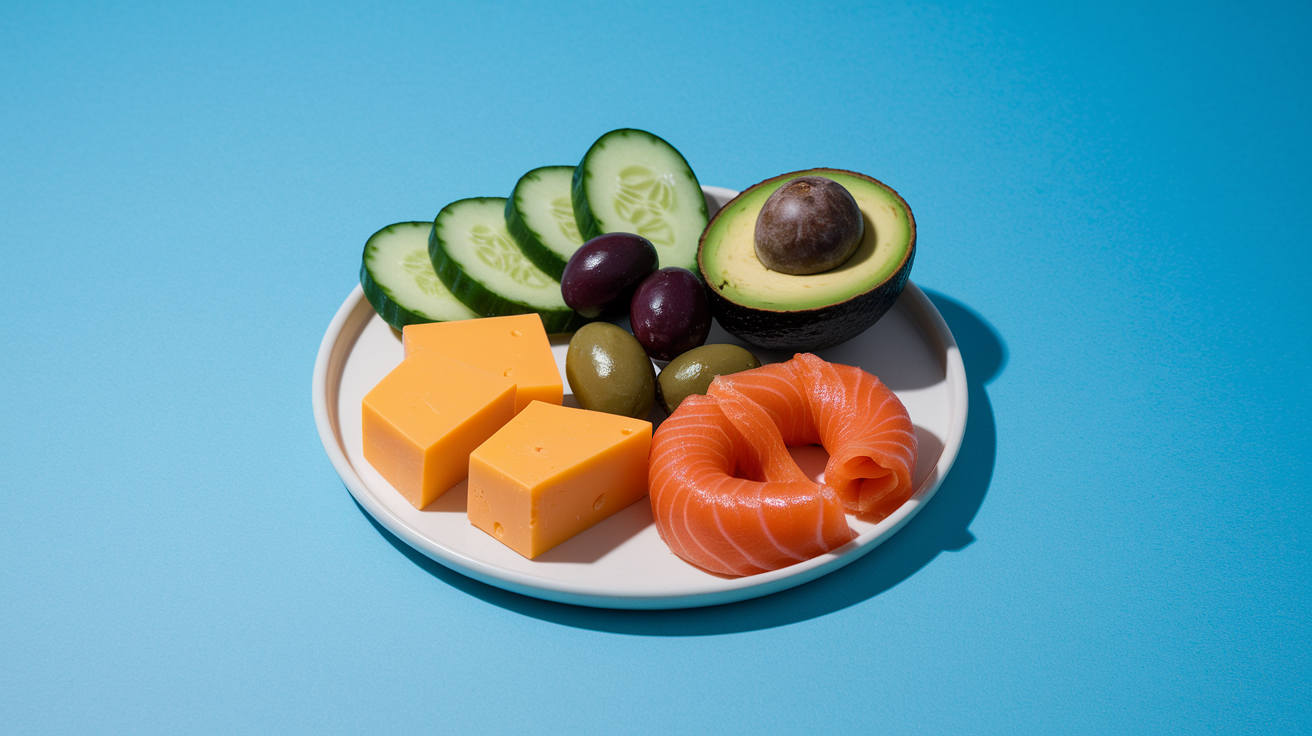
A low-carb snack typically contains fewer than 15 grams of net carbohydrate, calculated by subtracting fiber from total carbs. Many people aiming for tighter glucose control target snacks with 10 grams or less. When you keep carbohydrate intake low, there’s simply less glucose available to enter your bloodstream, which means smaller and shorter spikes.
To identify low-carb options, read the nutrition label and look at total carbohydrate first, then subtract dietary fiber to get net carbs. If a snack lists 8 grams of total carbs and 3 grams of fiber, your net carbs are 5 grams. Watch for added sugars in the ingredient list. Words like cane sugar, honey, agave, or anything ending in “ose” signal extra carbohydrate that will raise blood sugar quickly.
Be cautious with processed meats like beef sticks or deli turkey roll-ups. They’re often very low in carbs, but they can be high in sodium. If you have high blood pressure or are at risk for cardiovascular disease, limit how often you rely on these options and look for reduced-sodium versions when possible. A single ounce of some beef sticks can contain 400 milligrams of sodium or more, which is roughly one-fifth of the daily recommended limit.
Smart Carb Pairing Methods for Better Glycemic Response

Pairing carbohydrates with protein or fat is one of the simplest ways to flatten a glucose curve. When you eat a carbohydrate by itself, your body breaks it down quickly and glucose floods into your bloodstream. Add protein or fat, and digestion slows. The carbohydrate is released more gradually, and your pancreas has an easier time matching insulin output to glucose arrival.
Use these methods every time you reach for a snack that contains carbs:
Pair every carb with protein or fat. An apple alone is fine, but an apple with 2 tablespoons of peanut butter delivers about 34.74 g carbs and about 6 g fiber, plus the fat and protein slow the glucose rise.
Choose at least 3 g fiber per serving to add a second brake on absorption.
Avoid solo simple carbs like crackers, pretzels, or dried fruit without any protein or fat alongside.
Combine whole grains with cheese or hummus. A few whole-grain crackers (look for 100% whole grain on the label) paired with 1 ounce of cheese keeps the carb portion modest while adding protein and fat.
These rules work whether you’re at home or grabbing something from a convenience store. The goal is never to eat naked carbs. Always add a partner.
Timing Strategies for Stable Glucose Throughout the Day

When you eat matters almost as much as what you eat. Spacing snacks 1.5 to 3 hours after a meal gives your body time to process the previous food and return blood sugar toward baseline before the next influx of glucose. Snacking too soon can stack glucose peaks on top of each other. Waiting too long can lead to excessive hunger, which often results in overeating and a larger spike when you finally do eat.
Mid-afternoon is a particularly useful snack window. The afternoon hummus study from 2020 showed that eating a snack around 3 p.m. reduced glucose response and increased feelings of fullness compared to skipping that snack. Bedtime snacks, especially those rich in protein and fat like cottage cheese or a hard-boiled egg, can prevent middle-of-the-night hunger and keep blood sugar more stable overnight.
Follow these timing rules to support steady glucose:
Space snacks 1.5 to 3 hours after meals to avoid stacking glucose peaks.
Use mid-afternoon snacks to break up the longest stretch between lunch and dinner.
Try a small bedtime snack if you wake up hungry or experience early-morning blood sugar swings.
Adjust timing around medication if you take insulin or drugs that lower blood sugar, and follow your healthcare provider’s instructions on when to eat.
Portion Control and Prep Techniques for Blood Sugar Stability
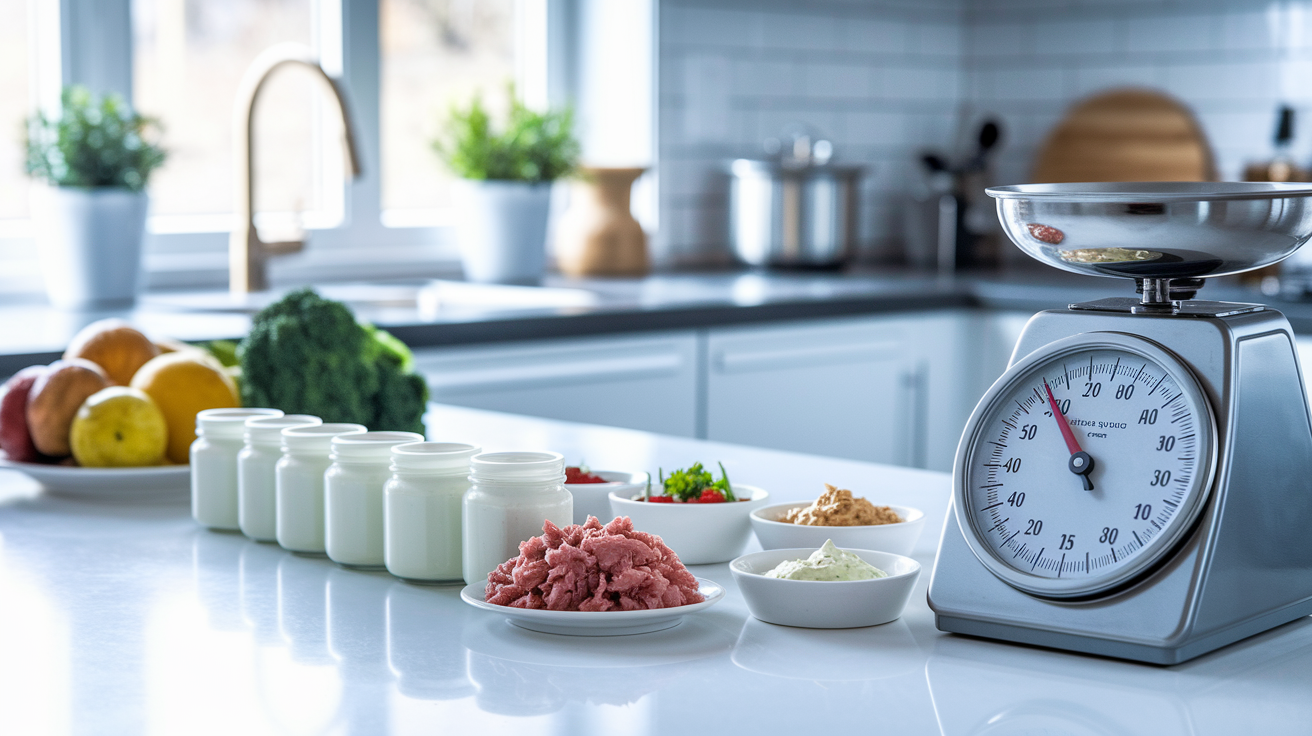
Even the best snack will raise blood sugar if you eat too much of it. Pre-portioning is the simplest defense. When you measure out a single serving and put the rest away, you remove the temptation to keep eating. It also makes snacks portable. You can grab a pre-portioned bag of almonds or a container of hummus without thinking.
Use these techniques to keep portions consistent:
Use fixed-size containers such as 4-ounce jars for yogurt or small zip-top bags for nuts.
Prep protein ahead by boiling a dozen eggs at once or dividing a can of tuna into three 3-ounce portions.
Pre-split dips like hummus into 2-tablespoon servings using small reusable containers.
Measure trail mix into 1-ounce portions (about 28 grams) to avoid the calorie-dense handful that turns into three handfuls.
Cut vegetables in bulk and store them in single-serve bags with a small container of dip attached.
Batch-cook roasted chickpeas and portion them into 1/2-cup servings so you always have a crunchy option ready.
When snacks are ready to eat and already measured, you’re far more likely to stick to the plan and avoid blood sugar surprises.
Store-Bought and Portable Options Without Added Sugar Pitfalls
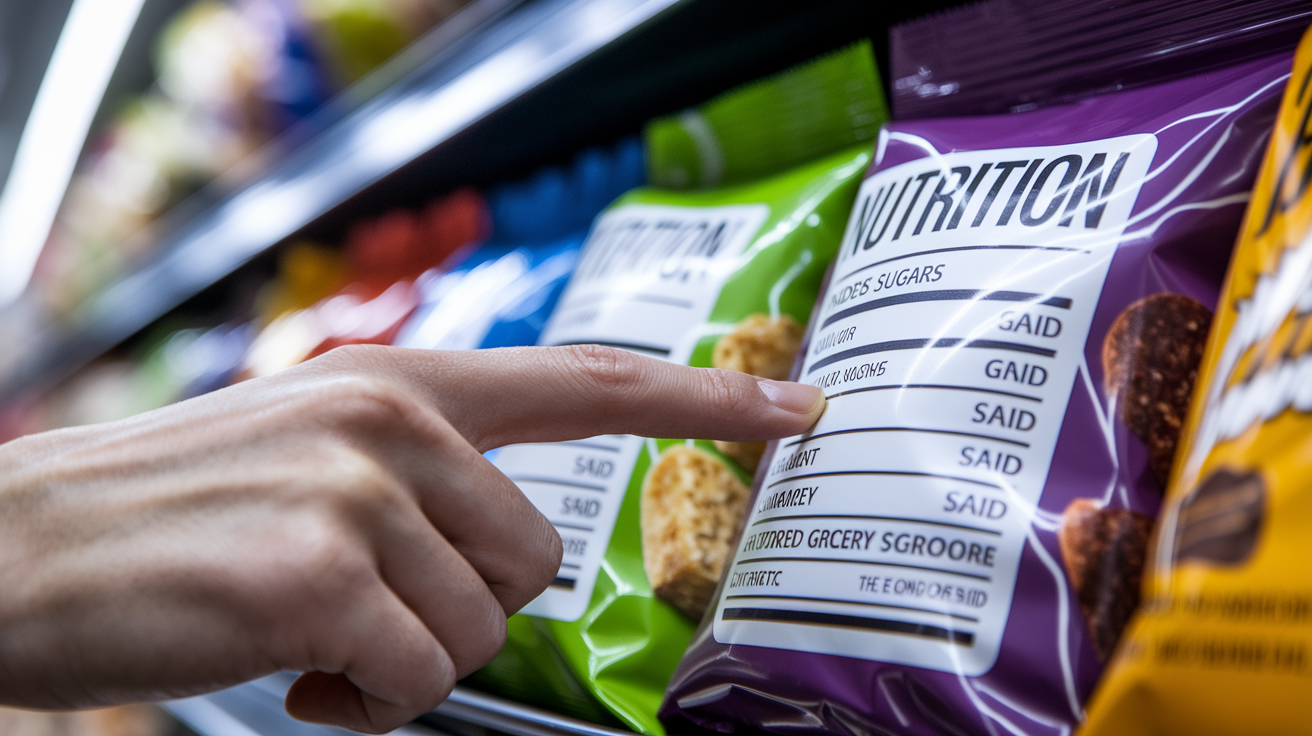
Store-bought snacks can be just as effective as homemade versions if you know what to look for on the label. The main traps are added sugars, refined grains, and excess sodium. Many products marketed as “healthy” or “protein-packed” still contain 10 or more grams of added sugar per serving, which will spike your glucose just as fast as a candy bar.
Start by reading the ingredient list. Ingredients are listed by weight, so if sugar appears in the first three items, that product is sugar-heavy. Check the nutrition label for “added sugars” under total carbohydrate. Aim for 5 grams or less per serving. Look for at least 3 grams of fiber to help slow absorption. If you’re buying dairy, choose plain versions only. Flavored yogurts and cottage cheese often have 15 to 20 grams of added sugar. For convenience items like protein bars, compare labels and pick the one with the shortest ingredient list and the highest protein-to-carb ratio.
Use these selection criteria when shopping:
5 g or less added sugar per serving to avoid unnecessary glucose spikes.
At least 3 g fiber per serving to slow digestion.
Plain dairy only and add your own fruit or a small drizzle of honey if you need sweetness.
Whole grains listed first if you’re buying crackers or bars.
Check sodium on processed proteins and choose reduced-sodium versions when available.
Snack Swaps That Reduce Blood Sugar Surges
Small substitutions add up over the course of a week. Swapping sweetened yogurt for plain Greek yogurt eliminates 15 to 20 grams of added sugar in a single snack. Choosing air-popped popcorn instead of microwave butter-flavored popcorn cuts both sodium and fat while preserving the whole-grain fiber. Replacing refined-flour crackers with 100% whole-grain versions adds fiber and lowers the glycemic impact.
Here are five swaps that make a measurable difference:
Sweetened yogurt to plain Greek yogurt to cut added sugars and double the protein.
Fruit juice to whole fruit to add fiber and eliminate the rapid glucose hit of liquid sugar.
Potato chips to roasted chickpeas to trade empty carbs for protein and fiber.
Granola bars with added sugar to homemade energy bites made from nut butter, oats, and seeds.
White-flour crackers to 100% whole-grain crackers to lower GI and increase fiber.
These swaps don’t require special ingredients or extra cooking skill. They simply replace a refined, high-glycemic option with a whole-food version that your body processes more slowly.
Final Words
Pick one of the curated snacks that pairs protein, fiber, or healthy fat to blunt post-meal spikes. The article gave a quick snack list with “best if” tags, then explained GI vs GL, protein and fiber strategies, healthy-fat techniques, timing, portioning, store-bought choices, and swaps.
Use the simple rules: pair carbs with protein or fat, aim for fiber, and pre-portion for consistency. Try swapping one snack this week.
These snacks to prevent blood sugar spikes make steadier energy easy to reach. You’ve got this.
FAQ
Q: What snacks won’t spike blood sugar? What to eat to keep your blood sugar from spiking? What are good snacks for lowering blood sugar?
A: The snacks that won’t spike blood sugar are low in added carbs and higher in protein, fiber, or healthy fat. Good picks: hard-boiled eggs, Greek yogurt with berries, almonds, hummus with carrots, avocado.
Q: What is the 15 minute rule for blood sugar?
A: The 15 minute rule for blood sugar is a guideline to treat low blood sugar: eat 15 grams of fast-acting carbs, wait 15 minutes, then recheck and repeat if still low.

