

Think when you eat matters more than what you eat?
It does more than most people realize.
Your body’s insulin response peaks in the morning and falls at night, so the same meal can have very different effects depending on timing.
This post walks you through simple, evidence-backed timing moves like early breakfast, earlier and smaller dinners, clear 4 to 5 hour meal gaps, and a few time-restricted eating windows that actually nudge insulin and blood sugar in the right direction.
Read on for practical rules you can try tomorrow, not a diet gimmick.
Core Meal Timing Guidelines for Enhancing Insulin Response

Your body’s ability to handle carbs and manage blood sugar isn’t constant throughout the day. Insulin sensitivity peaks in the morning and slides downhill by evening. If you structure meals to match that rhythm, you’re working with your metabolism instead of against it. The approach is straightforward: eat more when your body’s ready for it, eat less when it’s winding down, and give yourself real breaks between meals.
Research shows that adults who started eating before 8:30 a.m. had lower insulin resistance compared to people who waited until after 8:30. On the flip side, eating dinner at 10:00 p.m. drove blood sugar nearly 20% higher and burned about 10% less fat than the same meal at 6:00 p.m. Same food, different outcome. The timing changes how your body processes what’s on your plate. The goal here is to front-load calories during the hours when your pancreas and muscle cells are most responsive, and keep late-night eating light or off the table entirely.
A solid framework for most people includes three main meals spaced about four to five hours apart, with the last one wrapping up at least two to three hours before bed. Snacking between meals is okay sometimes, but constant grazing can undo the insulin benefits you get from longer breaks. If you want real improvements in fasting glucose or HbA1c, here’s what the evidence supports:
- Get breakfast in within one to two hours of waking, before 8:30 a.m. if you can.
- Wrap up your last meal by 6:00 or 7:00 p.m., or at minimum two to three hours before sleep.
- Give yourself four to five hours between meals so glucose has time to settle.
- Don’t eat during your body’s biological night, roughly the two to three hours before bed and overnight.
- Stay consistent. Eating around the same times each day keeps your circadian system in sync.
This isn’t about fasting or restriction. It’s about putting food where your metabolism is ready to use it well.
Role of Circadian Rhythms in Glucose and Insulin Regulation

Your body runs on an internal clock that coordinates digestion, hormones, and energy use with the light/dark cycle. Insulin sensitivity isn’t fixed. It’s stronger in the morning when cortisol and other wake signals are up, and it drops in the evening as your body shifts toward rest. Eat in sync with that clock and you’ll get smaller, more controlled insulin releases and lower glucose spikes. Eat late or all over the place and you’re forcing your pancreas to work during hours when it’s not ready, which wears down insulin response over time and pushes fasting glucose higher.
Studies on shift workers and late eaters show higher rates of metabolic syndrome, elevated fasting insulin, and more liver fat compared to people who eat earlier. The disconnect between meal timing and circadian biology messes with glucose handling, fat burning, and even hunger cues. Two people can eat identical meals with the same calories and macros, but the one who eats most of their food earlier will usually show better glucose control and lower insulin than the one eating the same stuff at night.
Front-loading calories means making breakfast and lunch your bigger meals and keeping dinner smaller and earlier. You’re not skipping dinner. You’re flipping the typical pattern of light breakfast, medium lunch, heavy late dinner. Aligning food intake with your metabolic clock cuts down the strain on insulin-producing cells during vulnerable nighttime hours and takes advantage of your body’s natural readiness to process food in the morning and midday.
Breakfast Timing and Its Influence on Daily Blood Sugar
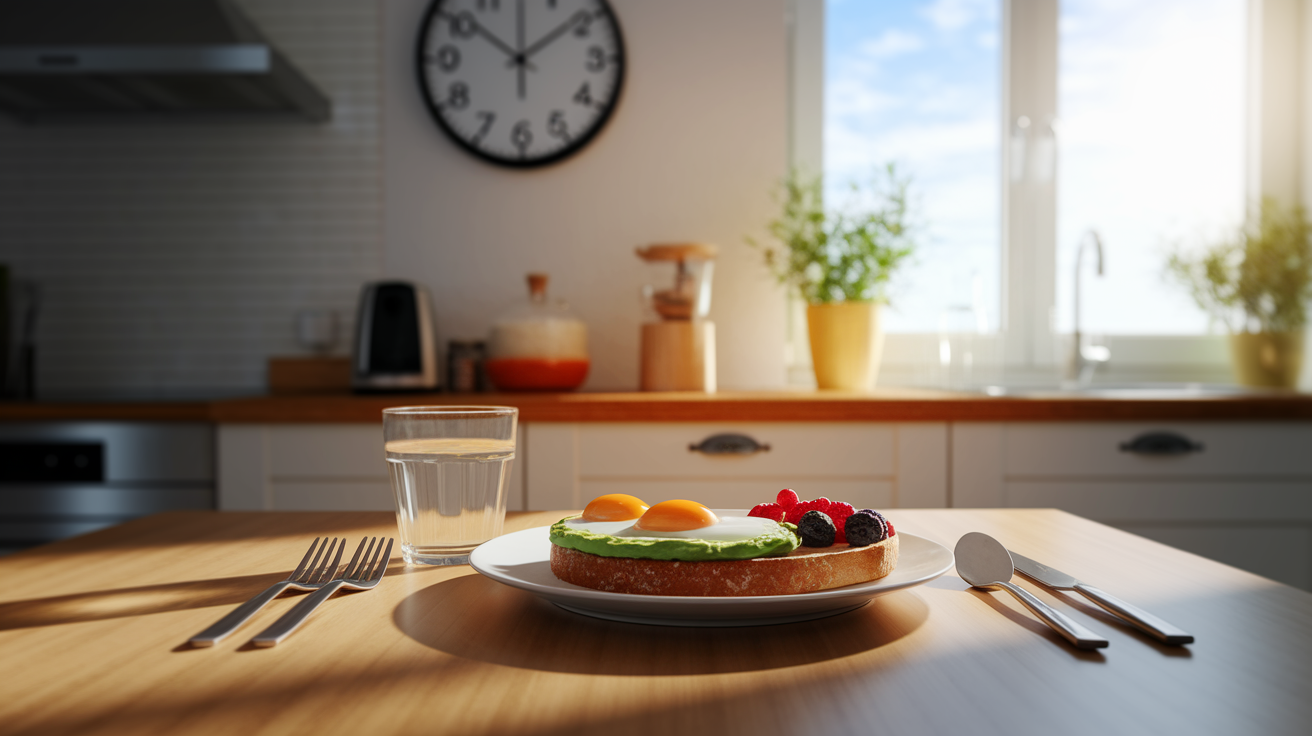
Eating breakfast early sets up the rest of your day. When you start before 8:30 a.m., you’re tapping into peak insulin sensitivity and stabilizing blood sugar before mid-morning hunger or energy crashes show up. Skipping breakfast or pushing it to late morning has been linked to bigger glucose spikes at lunch and dinner, even when those meals are identical to what an early eater had.
Part of why early breakfast helps is that it anchors your circadian rhythm. Eating in the morning signals your liver, muscles, and fat tissue to sync with the central clock in your brain. When that signal is delayed or missing, metabolic coordination suffers. People who skip breakfast also tend to eat more at night, which compounds the issue by pushing calories into the window of lowest insulin sensitivity.
What you eat matters, but when comes first. A high-protein, high-fiber breakfast at 7:00 a.m. will produce better glucose and insulin responses than the exact same meal at 10:00 a.m. If mornings are tight, even something simple works. A couple eggs, whole-grain toast, some berries. Early beats delayed. The trick is consistency. Eat breakfast around the same time each day, within an hour or two of waking, and your metabolism learns to expect and efficiently handle that morning fuel.
Optimal Dinner Timing for Reduced Evening Insulin Resistance

Late-night eating is one of the easiest things to fix if your glucose control is off. Insulin sensitivity drops in the evening, so a meal at 9:00 or 10:00 p.m. spikes glucose harder and longer than the same meal at 6:00 p.m. Finishing dinner at least two to three hours before bed gives your body time to clear most of the post-meal glucose before you lie down, cutting overnight insulin demand and improving fasting glucose the next morning.
In head-to-head comparisons, people who ate dinner at 10:00 p.m. had nearly 20% higher blood sugar peaks and burned roughly 10% less fat overnight compared to those who ate the same thing at 6:00 p.m. Over weeks and months, that adds up. Late eating is also tied to higher triglycerides, more liver fat, and greater central fat accumulation. All markers of insulin resistance. Moving your last meal earlier is one of the simplest, most repeatable fixes for improving metabolic health.
If your schedule makes early dinner tough, try these:
- Finish eating by 7:00 or 8:00 p.m. most days.
- Keep your evening meal smaller and lower in refined carbs.
- Don’t snack after dinner, especially on high-carb or high-fat stuff.
- If you have to eat late occasionally, go with protein and vegetables over starchy or sweet options.
Meal Frequency and Spacing for Stable Glucose Patterns

How often you eat affects how often your pancreas releases insulin and how long your cells stay in fed versus fasted mode. Eating every three to five hours, with a longer overnight gap, supports better insulin sensitivity than snacking every hour or two. Constant eating keeps insulin elevated all day, cutting into the periods when your cells can rest from nutrient processing and restore insulin receptor sensitivity.
Longer breaks between meals let blood glucose return toward baseline and give insulin time to drop. During these gaps, your liver shifts from storing glucose to releasing it in a controlled way, and your muscle and fat cells get more responsive to the next insulin signal. Some evidence suggests that eating four meals a day lowers the risk of developing type 2 diabetes compared to three, but that benefit probably depends on total calories and what you’re eating. The pattern that works best will depend on your activity level, hunger, and whether you’re trying to lose weight or maintain.
A good starting point is three main meals spaced four to five hours apart, with small snacks if needed for hunger or energy. Don’t fall into the habit of eating continuously from breakfast until bedtime. If you’re snacking a lot, ask whether the snacks are fixing real hunger or just automatic or emotional. Structuring clear meal times with defined gaps makes it easier to track glucose responses and gives your metabolism predictable rhythms to follow.
Intermittent Fasting and Time‑Restricted Eating Protocols

Intermittent fasting and time-restricted eating formalize the idea of longer gaps between eating. Time-restricted eating (TRE) means confining all your food to a set window each day, usually between 8 and 12 hours, and fasting the remaining 12 to 16 hours. Intermittent fasting (IF) can include alternate-day fasting or periodic very-low-calorie days, but for insulin sensitivity the most practical and studied methods are daily TRE protocols.
The most common and effective TRE protocols for improving insulin sensitivity:
12:12 – A 12-hour eating window (say, 7:00 a.m. to 7:00 p.m.) with a 12-hour overnight fast. Conservative starting point that most people can sustain and still see benefits in fasting glucose and insulin.
14:10 – A 10-hour eating window (like 8:00 a.m. to 6:00 p.m.). Extends the fasting period to 14 hours and often delivers measurable improvements in morning glucose tolerance and post-meal insulin within a few weeks.
16:8 – An 8-hour eating window (maybe 10:00 a.m. to 6:00 p.m. or 8:00 a.m. to 4:00 p.m.). More aggressive and tends to produce bigger reductions in fasting insulin and improvements in fat burning, but it takes more planning and may not fit people with high energy demands or certain medical conditions.
18:6 or 20:4 – Shorter eating windows (6 or 4 hours) used in more advanced protocols. Harder to sustain, higher risk of nutrient gaps and muscle loss if protein intake is low, and should only be tried with medical supervision, especially for people on glucose-lowering medications.
Early time-restricted eating, where the eating window ends by mid-to-late afternoon or early evening, looks more effective for insulin sensitivity than late TRE, where eating stretches into the night. A small study found that men who confined eating to a 9-hour daytime window improved glucose tolerance without changing what or how much they ate. The benefit came purely from lining up food intake with the body’s circadian insulin rhythm. Starting your eating window in the morning and closing it by 6:00 or 7:00 p.m. gives you both the benefits of fasting and the metabolic edge of daytime eating.
TRE and IF aren’t magic. They work mainly by reducing total calorie intake and extending the fasting period, both of which lower average insulin levels and give cells more time in a low-insulin state. For some people, TRE makes it easier to control portions and avoid late-night snacking. For others, it triggers early glucose spikes or increased hunger. Start conservatively (12-hour overnight fast), track your responses, and only move forward if the pattern feels doable and your glucose data improves.
Pre‑ and Post‑Workout Nutrition Timing for Improved Insulin Response
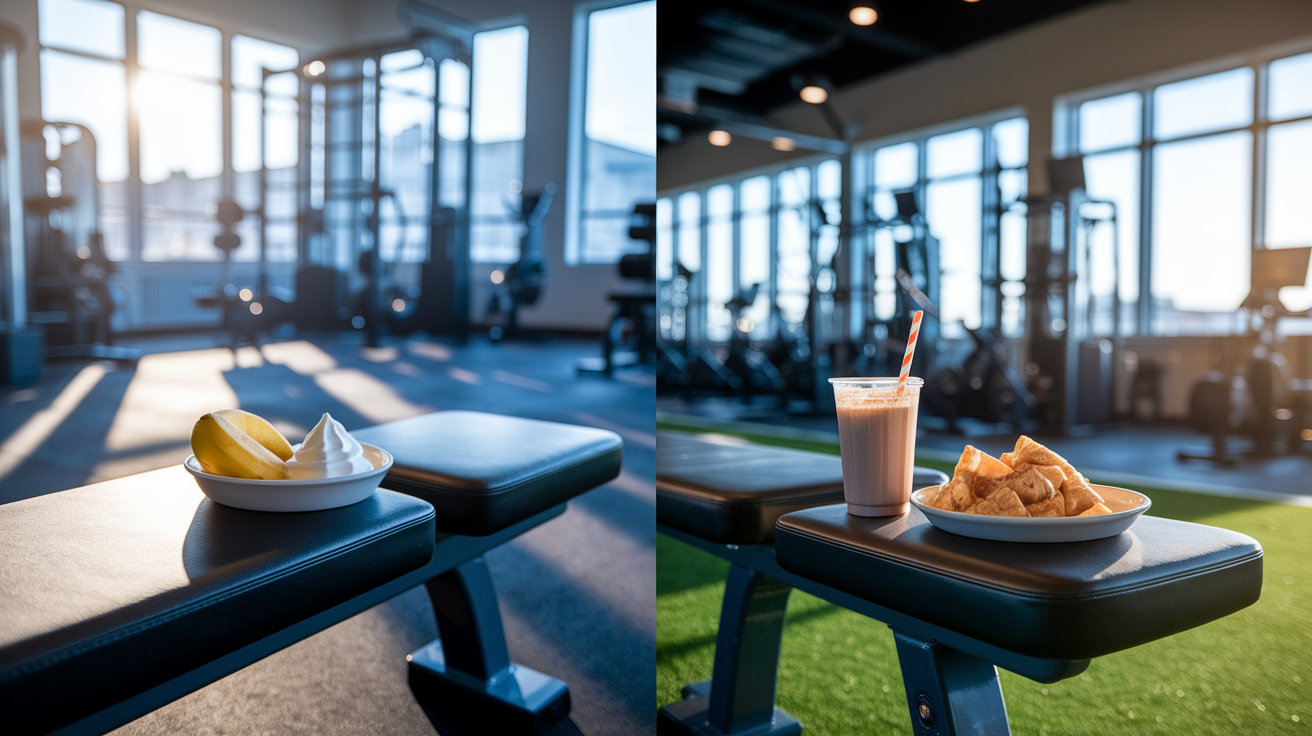
Exercise is one of the strongest insulin-sensitizing tools available, and timing meals around workouts can either amplify or dampen that effect. Physical activity drives glucose into muscle cells independent of insulin, a process that continues for 24 to 48 hours after a session. Eating carbs shortly after exercise takes advantage of this window, letting your muscles restock glycogen efficiently with less insulin than the same carbs would need at rest.
For people focused on improving insulin sensitivity, the general move is to time most carb intake around activity. If you train in the morning, a post-workout meal with 20 to 40 grams of protein and 20 to 60 grams of carbs (depending on workout intensity and duration) supports recovery without big glucose spikes. If you exercise late afternoon or evening, that post-workout meal can double as dinner, letting you finish eating earlier and stretch your overnight fast.
Training fasted, like a morning workout before breakfast, can boost fat burning and may improve insulin sensitivity over time, but it’s not required for most people and can hurt performance during high-intensity sessions. If you prefer to eat before exercise, a small meal with 15 to 30 grams of carbs and some protein 30 to 60 minutes before training is enough to fuel the session without blunting the insulin-sensitizing effects of the workout. Just avoid large, carb-heavy meals right before exercise, which can cause sluggish digestion and blood sugar swings. Prioritize protein and moderate carbs after training to support muscle repair and glycogen without excessive insulin demand.
Special Timing Considerations for Diabetics and Athletes

People with type 1 or type 2 diabetes who use insulin or meds like sulfonylureas face higher risk of hypoglycemia when adopting aggressive meal-timing strategies or prolonged fasting. Any change to meal timing needs coordination with medication dosing. Skipping breakfast or stretching overnight fasts without adjusting insulin can lead to dangerously low blood sugar, especially early morning. For these folks, starting with a conservative 12-hour overnight fast and working with a diabetes care team to adjust medication is the safest route.
People with type 2 diabetes or prediabetes who aren’t on glucose-lowering meds can often adopt TRE or early dinner timing with good results. Skipping the evening meal or finishing dinner by 6:00 p.m. has been shown to lower fasting glucose in some studies, and front-loading calories earlier in the day tends to cut post-meal glucose spikes. Consistency matters. Eating at the same times each day helps regulate medication timing, reduces blood sugar variability, and makes it easier to spot patterns and adjust treatment.
Athletes and highly active people have different needs. Training sessions put high energy demands on the body, and cutting eating windows too tight can hurt performance, slow recovery, and raise the risk of muscle loss. For athletes, meal timing should focus on fueling and recovery around workouts while still respecting circadian principles. A practical approach is to use a 10- to 12-hour eating window that includes pre- and post-workout nutrition, avoid late-night meals, and get adequate protein (20 to 40 grams) at each meal. On rest days, a slightly shorter eating window or earlier dinner can support metabolic benefits without compromising training quality.
Final Words
Shift meals earlier, stop late-night snacking, and time food around movement. That’s the quick action from the main sections.
Breakfast before 9 a.m., finish dinner 2–3 hours before bed, space meals every 3–5 hours, and try an early eating window if it fits. Exercise also boosts insulin action for a day or two.
Try one small change this week, like an earlier dinner. It’s a practical step toward meal timing strategies to improve insulin sensitivity, and small consistency wins matter.
FAQ
Q: What is the best time to eat for better insulin sensitivity?
A: The best time to eat for better insulin sensitivity is earlier in the day: breakfast before 9 a.m., most calories by mid-afternoon, and finish dinner at least 2–3 hours before sleep to reduce glucose spikes.
Q: How do circadian rhythms affect insulin sensitivity?
A: Circadian rhythms affect insulin sensitivity by making it highest in the morning and lowest at night; eating in sync with your clock improves glucose handling, while misaligned meals raise fasting glucose and impair insulin action.
Q: When should I eat breakfast to help blood sugar?
A: Eating breakfast before 9 a.m. helps blood sugar by improving insulin action across the day; skipping breakfast often causes larger glucose spikes at lunch and dinner and less stable appetite control.
Q: How late is too late for dinner to avoid insulin resistance?
A: Finishing dinner at least 2–3 hours before bedtime is too late to avoid insulin resistance; late-night eating increases nighttime glucose, lowers overnight insulin sensitivity, and can worsen morning levels.
Q: How often should I eat to keep glucose stable?
A: Eating every 3–5 hours keeps glucose more stable than constant grazing; longer gaps between meals often improve insulin sensitivity and reduce frequent post-meal spikes for many people.
Q: Which intermittent fasting windows help insulin sensitivity most?
A: Early time-restricted eating with 8–10 hour eating windows helps insulin sensitivity most; front-loading calories earlier in the day tends to lower fasting insulin more than late-day eating windows.
Q: Should I eat before or after workouts for better insulin response?
A: Timing around workouts matters because exercise raises insulin sensitivity for 24–48 hours; eating carbohydrates after exercise improves glycogen recovery, while pre-work fuel depends on workout intensity and goals.
Q: How should diabetics and athletes adapt meal timing?
A: Diabetics should use consistent meal timing and front-loaded calories to stabilize glucose; athletes should time carbs and meals around training for performance and recovery, tailoring portions and timing to their sport.
Q: What are simple, evidence-based meal timing rules I can follow?
A: Simple rules are: eat breakfast early, front-load calories earlier, finish dinner 2–3 hours before bed, space meals every 3–5 hours, and consider an early 8–10 hour eating window for better insulin response.

