

Would you know what to do if a recalled snack sat in your pantry right now?
The FDA covers about 78 percent of grocery items, so recalls affect foods you probably buy.
Recalls follow a clear process—from detection and reporting to public notices and product removal—and each one gets a risk class that tells you how urgent it is.
This post will walk you through the steps, explain the classes, and give simple actions to take—check lot numbers, return or toss, and when to see a doctor—so you can act fast and without panic.
Core Breakdown of the FDA Food Recall Process and How It Works
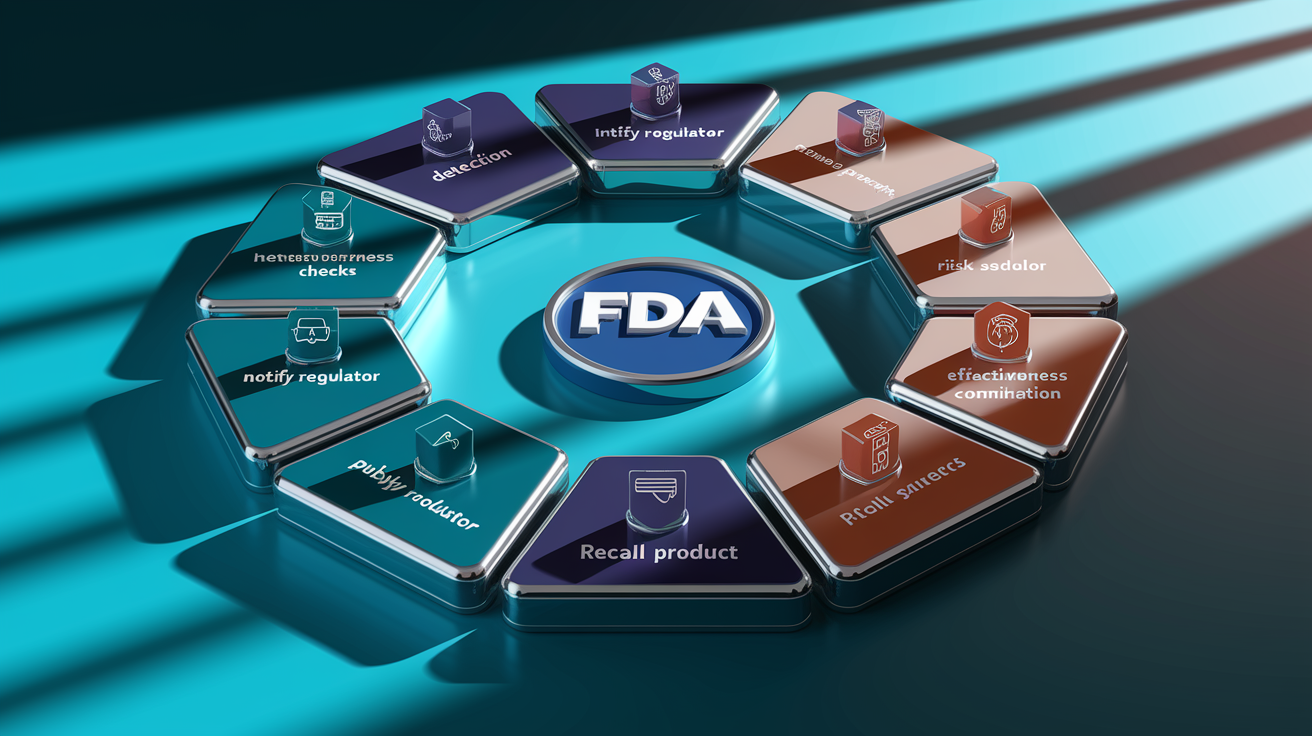
The FDA oversees about 78 percent of what ends up on grocery shelves. Packaged snacks, produce, seafood, dairy. When something goes wrong with a product, the recall kicks off with detection. Could be a customer calling to complain, an inspector finding something during a routine visit, lab work flagging contamination, or a state health department tracking an outbreak with the CDC. Once a company confirms they’ve got a problem—contamination, wrong label, anything that violates standards—they usually loop in the FDA within 24 to 48 hours. That initial report sets off internal risk work where the company figures out which lot codes are affected, when they were made, and where they went.
After the FDA gets notified, the company puts together a recall strategy and sends it over for review. The agency looks at the plan, tags it with a classification, and watches how things unfold. Products start coming off warehouse and retail floors within 24 to 72 hours if the distribution wasn’t too crazy. Public notices go out soon after, spelling out brand name, lot numbers, UPCs, what went wrong, the health risk, and what people should do. These notices land on the FDA’s online recall database, get picked up in press releases, and retailers send their own alerts. Here’s where it gets messy: jurisdiction splits across agencies. FDA handles most foods, USDA takes meat and poultry, and the Bureau of Alcohol, Tobacco & Firearms handles booze. So a pre-packaged salad with deli chicken might need two agencies coordinating.
The recall stays live until the company wraps up effectiveness checks and the FDA signs off that the product’s gone and people have been reached. Full closeouts can drag on for weeks or months depending on how far the stuff traveled and how deep the recall goes. Retailers yank items, companies deal with refunds or replacements, and the FDA reviews status reports to make sure everyone’s doing what they said they’d do. The whole thing runs on voluntary cooperation most of the time, though the FDA can force a recall if a product crosses certain risk lines.
Complete FDA Food Recall Workflow (8 Steps):
- Detection – Problem shows up through customer complaints, inspections, lab results, or outbreak investigations.
- Internal Investigation – Company digs into scope, tests samples, pins down affected lot codes, production dates, unit counts.
- Risk Assessment – Figure out how bad it could get, what health consequences look like, how many people might be exposed.
- Notify Regulator(s) – Company reports to FDA (or USDA/ATF if that’s who’s got jurisdiction) and pitches a recall plan.
- Remove Product from Commerce – Tell distributors and retailers, stop sales, pull stock from warehouses and shelves.
- Public Communication – Push out press releases, post recall notices with product details and consumer steps, hit social media or send direct alerts.
- Effectiveness Checks – Confirm trading partners got the word, product came off shelves, consumers heard about it. Document everything.
- Recall Termination – FDA checks documentation, confirms goals are met, closes the recall. Company keeps records for future audits.
Understanding FDA Food Recall Classifications Across Class I, II, III

Every recall gets a class from the FDA that tells you how serious the health risk is. That classification drives how fast the product needs to disappear, how loud the public alert gets, and how closely the FDA watches. Companies submit their own take on the risk, but the FDA makes the call and can bump it up or down as more info comes in. Knowing these categories helps you sort out whether a recall notice is something to act on right now or just background noise.
Classification shapes the response intensity. A Class I recall means immediate action, broad alerts, tight effectiveness checks. A Class III recall might happen quietly with almost no consumer-facing noise. The system’s built to put resources where the danger’s real.
Class I
Class I is the top tier, saved for situations where eating or using the product could seriously hurt you or kill you. The FDA uses “SAHCODHA” internally (serious adverse health consequences or death) as shorthand. Common triggers: Listeria monocytogenes in ready-to-eat foods, Salmonella in stuff that won’t get cooked, E. coli O157:H7 in ground beef or leafy greens, botulinum toxin in canned goods, undeclared major allergens like peanuts, tree nuts, milk, eggs, fish, shellfish, wheat, or soy. In 2021, FSIS tagged 38 of its 47 recalls as Class I, showing how most meat and poultry failures land in the danger zone.
Class II
Class II covers moderate risk where eating the product might make you temporarily sick or cause something reversible, but the odds of serious harm are low. Think physical stuff like glass or small metal pieces in packaged foods, certain pathogens like Shigella or Cryptosporidium in products that’ll get cooked, undeclared wheat (which can trigger reactions but isn’t as frequently fatal as peanuts or tree nuts), or the presence of FD&C Yellow #5 or Yellow #6 that should’ve been on the label for sensitive people. FSIS logged 9 Class II recalls in 2021. Retailers still pull these fast, but the public drumbeat isn’t as urgent as Class I.
Class III
Class III is the lowest risk, used when a product breaks FDA or USDA rules but isn’t going to hurt anyone. Low pesticide residue that’s under safety limits, misbranding like showing the wrong product name or net weight, packaging problems that don’t create contamination risk. FSIS had zero Class III recalls in 2021, partly because pre-market label checks catch a lot of this before products ship. FDA-regulated foods see more Class III because labels don’t get reviewed before sale. These recalls often don’t get press releases. Retailers and distributors get told, product comes off, and you might never hear about it.
Why FDA Food Recalls Are Initiated and the Hazards That Trigger Them

Recalls happen when a food product is adulterated or misbranded in a way that breaks federal safety rules. Adulterated means it’s got something harmful or missing something needed for safety. Misbranded means the label’s wrong or incomplete, usually hiding allergens or misleading people about what’s inside. The specific problem determines the recall class, how fast removal happens, and how loud the public notification gets. Most recalls come from a handful of repeat offenders that food safety systems are supposed to catch.
Detection often starts outside the company. A cluster of sick people prompts a state health department to interview patients and grab food samples. Lab tests confirm a pathogen match. Routine FDA inspections turn up sanitation problems or positive environmental swabs. Someone bites into glass and calls it in. Suppliers warn downstream manufacturers that an ingredient tested positive. Either way, the info moves fast because federal rules demand quick reporting and liability worries push companies to act before things spread. The most common triggers fall into three buckets: biological, chemical, and physical contamination.
Common Recall Triggers:
- Salmonella contamination in raw poultry, eggs, nut butters, flour, produce.
- Listeria monocytogenes in ready-to-eat deli meats, soft cheeses, ice cream, frozen vegetables.
- E. coli O157:H7 in ground beef, leafy greens, raw flour.
- Undeclared allergens like milk, eggs, peanuts, tree nuts, soy, wheat, fish, shellfish missing from the ingredient list.
- Foreign objects such as glass, metal shavings, plastic pieces, wood splinters that got in during processing or packaging.
- Clostridium botulinum risk in canned or vacuum-sealed foods that weren’t processed right.
- Mislabeling that leaves out allergens, gets net weight wrong, or shows the wrong product name.
- Packaging failure that lets contamination in, like broken seals or damaged cans that allow bugs to grow.
Voluntary vs Mandatory FDA Food Recalls and Legal Authority Under FSMA

Most food recalls in the U.S. are voluntary. A company finds a problem, checks the risk, and pulls the product before the FDA forces their hand. Voluntary recalls protect public health and company reputation, and they let the company control the message and timing. The FDA backs these recalls by posting public notices, emailing subscribers, and monitoring progress, but the company runs the show. This cooperative setup has been the norm for decades and stayed dominant even after the Food Safety Modernization Act gave the feds more teeth.
Before 2011, the FDA could ask for a voluntary recall but couldn’t order one. If a company said no, the agency’s only move was to seize product or chase an injunction in federal court, both slower and messier than a coordinated recall. FSMA changed that by giving the FDA mandatory recall power for most foods (excluding infant formula under specific statutory language). The bar’s high: the FDA can only order a mandatory recall when there’s credible evidence that a food is adulterated or misbranded and eating it will cause serious harm or death. That mirrors the Class I standard and keeps mandatory authority for real emergencies.
When the FDA weighs a mandatory recall, it’s got to follow a legal process. The company gets formal notice and a shot to stop distribution and start a voluntary recall. If the company doesn’t move, the FDA can drop a stop-distribution order and make the firm tell everyone affected—distributors, processors, retailers. The company then gets to request a hearing to fight the order. After the hearing, the FDA decides whether to push forward. If it does, the agency issues a public press release and fires up an incident command operation to coordinate communication and enforcement. This structure tries to balance public safety with due process, giving companies a chance to act before the hammer drops.
Mandatory Recall Steps
When the FDA goes after a mandatory recall under 21 U.S.C. § 350l, the agency follows a procedure built to protect both consumers and the firm’s legal rights.
- Notification to the Company – FDA tells the responsible party about the violation and the risk, cites evidence, requests voluntary action.
- Opportunity for Voluntary Compliance – Company gets a window to stop distribution and kick off a voluntary recall.
- Stop-Distribution and Notification Order – If the company sits still, FDA issues an order to cease distribution and notify trading partners.
- Hearing – Company can request a hearing to challenge the order or show mitigating evidence.
- Public Alert and Incident Command – After the hearing, if FDA moves forward, it puts out a press release and activates coordinated communication to make sure consumers know and enforcement stays consistent.
FDA vs USDA Roles in the Food Recall System and Multi-Agency Coordination
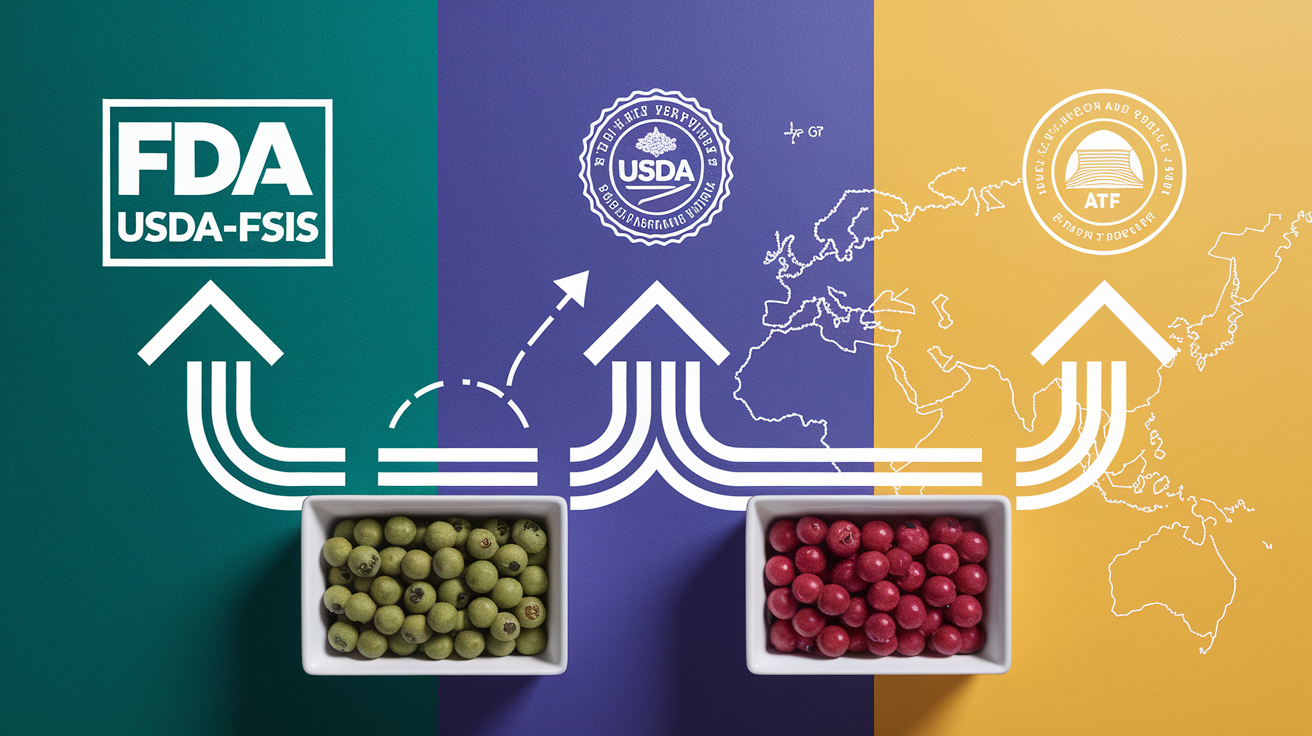
The U.S. food safety system chops regulatory authority across multiple federal agencies based on what you’re eating. FDA regulates most foods: packaged goods, produce, seafood, dairy, baked stuff, candy, drinks, dietary supplements. USDA’s Food Safety and Inspection Service handles meat, poultry, processed egg products. The Bureau of Alcohol, Tobacco & Firearms takes alcoholic beverages. This split creates jurisdictional lines that sometimes need coordination, especially when one product has pieces regulated by different agencies. A pre-packaged salad with grilled chicken might pull in both FDA oversight for the greens and USDA oversight for the meat.
Coordination runs through joint investigations and shared data. When a multi-ingredient product gets recalled, the agency with authority over the contaminated piece usually leads. If Listeria shows up in the chicken, USDA issues the recall notice and classifies the risk. If contamination’s in the lettuce, FDA takes point. In outbreak situations, the Centers for Disease Control and Prevention maps illness clusters, talks to patients, and shares findings with both agencies. State health departments run traceback investigations to nail down the source, often working with FDA’s coordinated outbreak response teams. This layered system lets info flow fast but can confuse consumers when separate notices pop up for the same product.
| Agency | Primary Jurisdiction | Recall Involvement |
|---|---|---|
| FDA | Most foods, including produce, dairy, seafood, packaged goods, beverages, dietary supplements | Issues recall classifications, monitors voluntary recalls, can order mandatory recalls under FSMA for Class I risks |
| USDA-FSIS | Meat, poultry, processed egg products | Runs continuous inspection at processing plants, approves labels pre-market, classifies recalls, coordinates removal |
| Bureau of Alcohol, Tobacco & Firearms (ATF) | Beer, wine, distilled spirits | Regulates labeling and production standards, coordinates with FDA or state agencies during contamination events |
How Companies Execute FDA Food Recalls: Responsibilities and Procedures
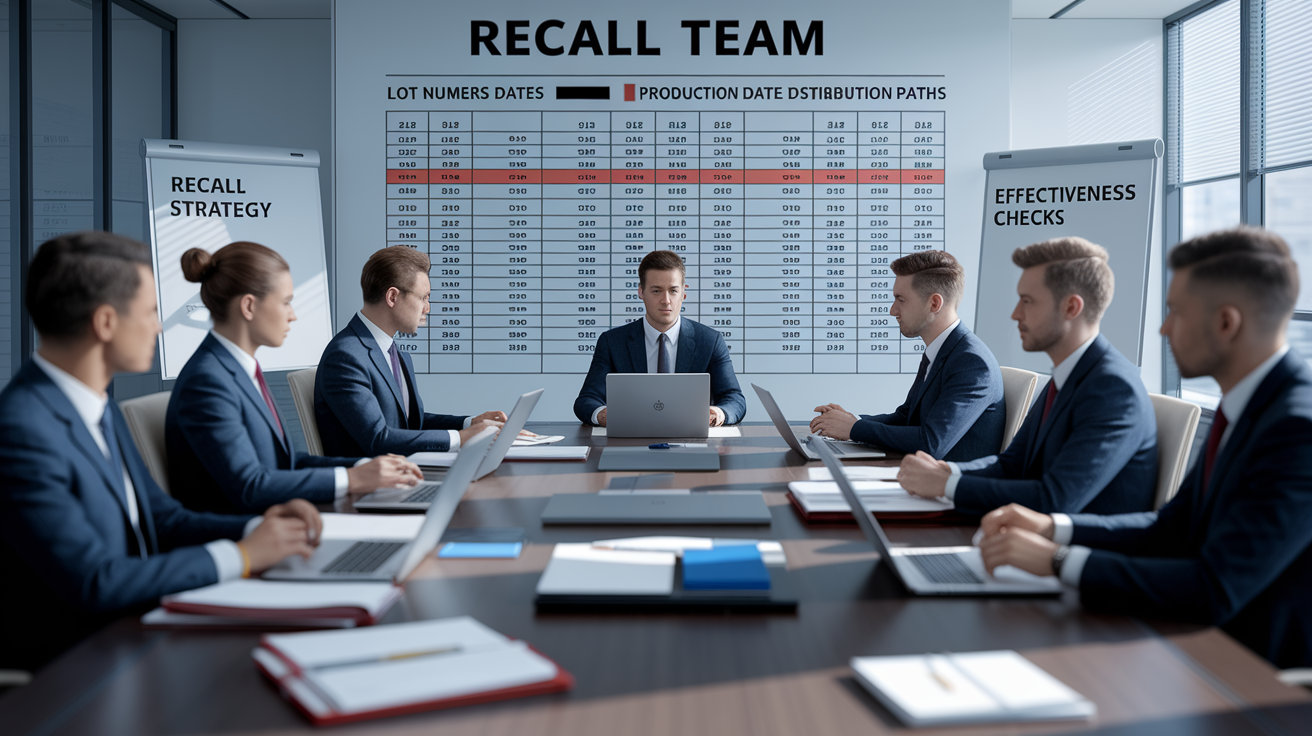
When a company spots a safety issue, the recall starts in-house. The firm pulls together a recall team, usually quality assurance, regulatory affairs, supply chain, legal staff. The team digs through production records, IDs affected lot codes and production dates, estimates how many units went out the door, and maps the supply chain to see how far the product traveled. Traceability systems (lot numbering, batch records, shipping manifests) are critical here. Without solid records, a recall can balloon unnecessarily or miss affected batches entirely.
Once the scope’s clear, the company notifies the FDA and submits a recall strategy. That strategy lays out the reason for the recall, product identifiers, distribution list, proposed public communication, plan for effectiveness checks. The FDA reviews and might ask for changes. Meanwhile, the company contacts everyone in the distribution chain: wholesalers, distributors, retailers, sometimes direct consumers if purchase data are on hand. Retailers often yank products from shelves within hours, even before a formal public notice, to cut liability and protect shoppers. This fast removal is one reason many consumers never see recalled items in stores.
After removal, the company’s got to verify the recall hit its targets. Effectiveness checks include confirming distributors got and acted on notifications, auditing retailer inventories to make sure product got pulled, tracking consumer responses if a direct notification went out. The firm documents every step: emails, phone logs, inventory audits, disposal records. The FDA will review these materials during oversight. If effectiveness is weak, the FDA can demand more outreach or bump the recall to a higher severity level. Companies also handle consumer questions, process refunds or replacements, and sometimes collect returned product for destruction or reconditioning.
Company Responsibilities During an FDA Food Recall:
- Identify all affected lot numbers, UPCs, production dates, distribution locations.
- Notify the FDA (or USDA/ATF) within 24 to 48 hours of confirming a public health risk.
- Develop and submit a recall strategy detailing removal, communication, verification plans.
- Stop distribution and sales immediately for affected product.
- Notify all trading partners (wholesalers, distributors, retailers) with clear instructions to remove and hold product.
- Issue public communication including press releases, website updates, social media alerts with product identifiers and consumer instructions.
- Run effectiveness checks to verify notifications were received, product was removed, consumers were informed.
- Keep detailed documentation of all recall actions, communications, outcomes for FDA review.
- Process consumer refunds, replacements, disposal instructions as outlined in the recall notice.
Recall Notifications and How FDA Communicates Risks to Consumers

When a recall drops, the goal’s to reach everyone who might have the product sitting at home. Notices include brand name, product description, package size, lot codes, UPCs, production or expiration dates, a clear explanation of the health risk, specific instructions (toss the product, return it for a refund, call the manufacturer). This level of detail lets you check your pantry or fridge and confirm whether you’ve got an affected item. Without lot numbers or production dates, a recall notice is too vague to do anything with.
Communication happens through multiple channels. The FDA posts every recall in its online enforcement database, searchable by product name, company, or date. The agency also sends email alerts to people who’ve signed up for notifications. Companies push out their own press releases, often hosted on a dedicated recall webpage with photos of the product and step-by-step instructions. Retailers post signs at point of sale and send emails to loyalty-program members when purchase records link a customer to a recalled item. Social media amplifies reach, especially for big recalls. Research shows 76 percent of shoppers are more likely to shop at stores that communicate recalls fast and clearly, so retailers have a business reason to move quick.
Essential Consumer Actions During a Recall:
- Stop using or eating the recalled product right away, even if no one’s gotten sick yet.
- Check the product label for brand, lot code, UPC, production or expiration date. Compare these to the recall notice details.
- Follow the instructions in the recall notice: toss the product, return it to the store for a refund, or contact the manufacturer.
- Save packaging and proof of purchase if a refund or replacement’s offered, or if there’s a chance of a legal or medical claim.
- Get medical help if anyone shows symptoms. Report illnesses to the local health department and to FDA’s MedWatch system (for FDA-regulated products) or USDA (for meat and poultry).
FDA Oversight, Verification, and Termination of Food Recalls

The FDA doesn’t just take a company’s word that a recall’s done. The agency assigns recall coordinators (staff in district offices who monitor each recall from start to finish). These coordinators review the submitted recall strategy, approve or request revisions, track progress through regular status reports. Companies must provide updates on how many units went out, how many have been recovered, what percentage of the notification list has confirmed receipt and action. If recovery rates are low or communication gaps show up, the coordinator can request more outreach or ramp up enforcement.
Effectiveness checks are the core of FDA oversight. The agency sorts these checks by depth, how far down the distribution chain the verification goes. A check to the wholesale level confirms distributors got and acted on the notice. A check to the retail level verifies stores removed product from shelves. A check to the consumer level, the most resource-heavy, tries to confirm that individuals who bought the product were informed and took action. The FDA picks the right depth based on the recall class and how the product was distributed. High-risk Class I recalls of widely distributed products often need consumer-level checks.
Recall termination only happens after the FDA decides the public health risk’s been handled. The company submits a final effectiveness report summarizing recoveries, disposals, communications. The FDA reviews the data, runs any final audits, issues a termination letter. Even after termination, the company’s got to keep all recall records (production logs, distribution lists, communication proof, audit results) for a set period, usually two to five years depending on the product. These records back up future inspections and provide evidence if legal or regulatory questions come up later.
Four Types of Effectiveness Checks:
- Level A (Consumer/User Level) – Verify consumers or end users were directly notified and took action. Used for high-risk, widely distributed products.
- Level B (Retail Level) – Confirm retailers and other direct customer accounts got the recall notice and removed product. Common for most recalls.
- Level C (Wholesale Level) – Check that wholesalers and distributors acted on the notice. Used when further distribution is limited.
- Level D (Consignee Check) – Verify immediate consignees acknowledged receipt of the recall. Used for narrow-distribution or lower-risk recalls.
Preventing FDA Food Recalls Through Better Controls and Traceability

The best recall is the one that doesn’t happen. FSMA’s preventive controls framework makes food facilities identify hazards, put controls in place to stop them, monitor those controls, take corrective action when something goes sideways. This Hazard Analysis and Critical Control Points approach (HACCP) has been mandatory for certain high-risk foods like seafood and juice for years and is now standard across most FDA-regulated facilities. Companies run hazard analyses at every step: raw material receiving, processing, packaging, storage, distribution. When a control fails (temperature out of range, metal detector glitch, allergen cross-contact), the corrective action plan triggers an investigation and, if needed, a hold or recall.
Traceability tech speeds up both prevention and response. Digital lot-tracking systems link every batch to its ingredients, processing conditions, destination. When a recall’s needed, the company can pull a full chain-of-custody report in minutes instead of days. Blockchain pilots in the food industry are trying to create tamper-proof, shared records across the supply chain, so a retailer can instantly verify the origin and safety status of a shipment. Faster traceability means smaller, more targeted recalls and less food waste. After a recall, companies use Corrective Action and Preventive Action systems (CAPA) to root-cause the failure and put changes in place that stop it from happening again.
Key Preventive Measures to Reduce Recall Risk:
- Put HACCP or preventive controls plans in place with documented hazard analysis and monitoring.
- Use digital traceability systems to track lot codes, ingredients, distribution in real time.
- Run regular environmental monitoring and pathogen testing in processing facilities.
- Train staff on allergen controls, sanitation, cross-contact prevention.
- Review supplier audit reports and ingredient certificates of analysis before accepting shipments.
Final Words
Act now: the process moves from detection to investigation, risk assessment, regulator notification, product removal, public alerts, effectiveness checks, and closeout. Those are the hands-on steps you read about.
You also saw how recalls are classified (Class I–III), common triggers like pathogens or undeclared allergens, and how FDA, USDA, state agencies, and companies work together to trace and remove affected products.
If you’re asking how do FDA food recalls work, the short answer is it’s a team process — companies act, agencies verify, consumers get notices — and knowing that helps you respond faster and feel more confident.
FAQ
Q: What happens when the FDA recalls a product?
A: A product recall means the company and FDA remove an unsafe product from the market, notify consumers with lot/UPC details, advise returns or disposal, and track recovery until the recall is closed.
Q: What to do if atorvastatin or rosuvastatin is being recalled?
A: If atorvastatin or rosuvastatin is recalled, stop using the affected lots if the notice says so, check FDA or pharmacy alerts for lot numbers, talk to your prescriber about alternatives, and follow return/disposal instructions.
Q: Is there a recall on Adderall?
A: Whether there is a recall on Adderall changes over time; verify current status on the FDA recall database, contact your pharmacy, and follow any recall instructions from the manufacturer or your clinician.

