

Could the item in your cart make someone sick?
It’s not paranoid, hundreds of food recalls happen every year.
The good news is checking is fast.
You only need three things from the package: the UPC (the 12-digit barcode number), the lot or batch code, and the date.
Then use two reliable sources, the FDA and USDA recall pages, to match those details.
In this post I’ll show the quick, step-by-step check you can do in the store or at home, often in a minute or two.
Immediate Steps to Verify Whether a Grocery Product Is Under Recall

Hundreds of food recalls happen every year in the U.S., and some involve products that can put you in the hospital. Checking whether something in your cart or cupboard is recalled isn’t paranoid. It’s just smart.
The process is quick once you know where to look and what details matter.
You need a few pieces of information from the package itself. The most important ones are the UPC or barcode (usually 12 digits), the lot or batch code (a short mix of letters and numbers), the “best by” or expiration date, the manufacturer’s name, and the package size. These help you match your specific item against official recall notices. Recalls rarely cover an entire brand. They target specific production runs.
Start by finding the UPC near the barcode. Then look for the lot code, often printed on the back, bottom, or side of the package, sometimes near the seal or cap. Write down or photograph these details, even if you’re standing in the aisle.
Once you have them, you can check government databases and manufacturer pages.
Here’s the fast workflow:
- Locate and record the UPC, lot code, and expiration date from the package.
- Visit the FDA recall page for most foods and the USDA FSIS page for meat, poultry, and eggs.
- Search by brand name, UPC, or lot code using the filters on each site.
- Match your product’s identifiers against the recall notice details. Lot numbers and date ranges are usually exact.
- If you find a match, stop using the product immediately and follow the return or disposal instructions in the notice.
Government Resources for Grocery Product Recall Checks
Two federal agencies handle almost all grocery product recalls. They divide responsibility by category.
The FDA oversees about 80 percent of the U.S. food supply. That includes packaged snacks, canned goods, produce, dairy, beverages, infant formula, dietary supplements, and pet food. The USDA, specifically its Food Safety and Inspection Service (FSIS), covers the remaining 20 percent: meat, poultry, fish, and some processed egg products.
Both agencies update their public recall pages every day and publish notices on social media. You can follow @FDArecalls and @USDAFoodSafety on X for quick alerts. If you prefer phone contact, the FDA emergency line is 1-866-300-4374 and the USDA MPHotline is 1-888-674-6854.
Federal portals also offer free email recall alerts, which send new notices directly to your inbox.
| Agency | What It Covers | How to Search |
|---|---|---|
| FDA | Most packaged foods, produce, dairy, beverages, infant formula, supplements, pet food | Visit FDA recall page; filter by product type, recall class, year, or keyword; search by brand or UPC |
| USDA FSIS | Meat, poultry, fish, processed egg products | Visit USDA FSIS recall page; filter by product name, establishment number, or recall date; check lot codes |
| Federal Email Alerts | All FDA and USDA recalls | Subscribe via FDA and USDA email alert portals; receive notices as they publish |
How to Read Packaging Codes for Recall Verification
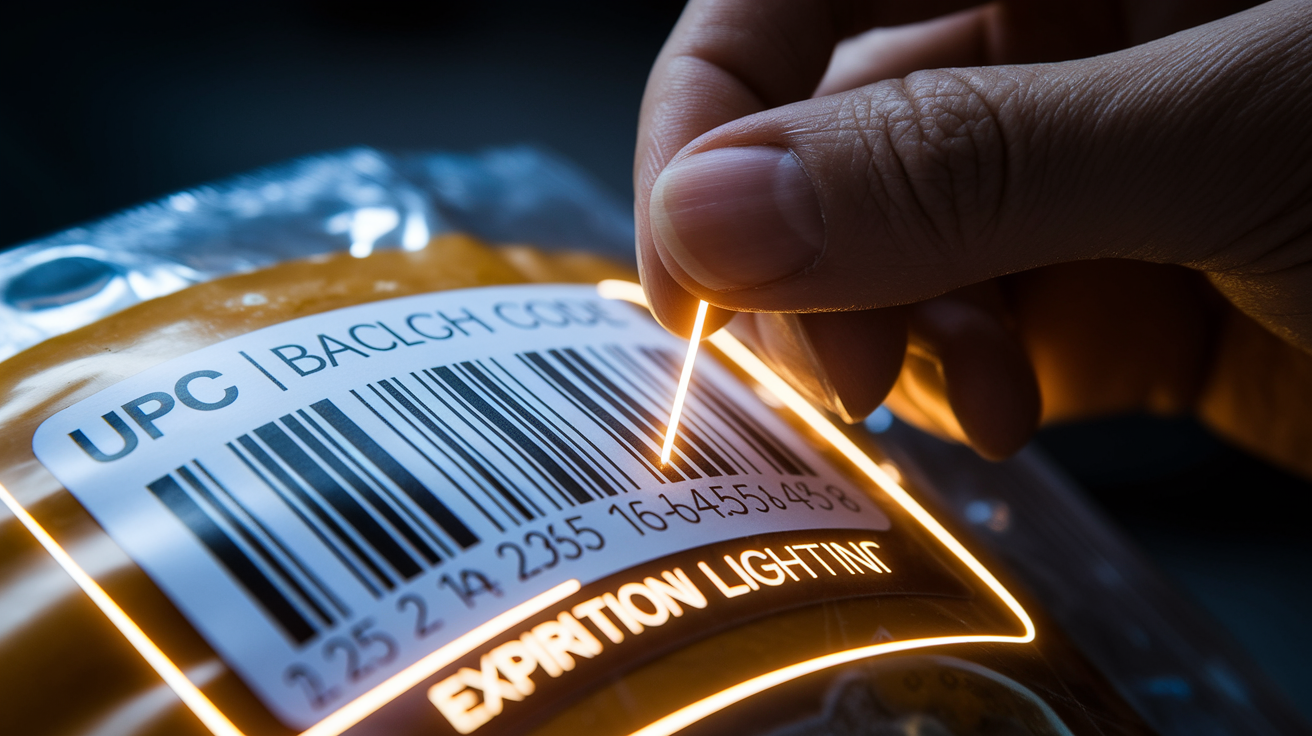
A recall notice will almost always list specific UPC codes, lot numbers, and date ranges. If your package doesn’t match those exact details, it’s not recalled. Even if the brand and product name are identical.
That’s why you need to find the right codes and understand where they’re printed.
The UPC is a 12-digit number directly below or beside the barcode. It’s the same for every package of that SKU nationwide. The lot code (also called a batch, pack, or production number) is different. It tells you which factory run your package came from. Lot codes are usually a mix of letters and numbers, and they change with each production batch.
Expiration or “best by” dates can appear in several formats: MM/DD/YYYY, YYYY-MM-DD, or Julian dates (a three-digit day of the year). Some packages also print a “packed on” date or a time stamp.
Look for these codes in the following spots:
- On the back or bottom panel of the package, often in small print near the nutrition label.
- Stamped or printed on the side seam or edge of a box or bag.
- Embossed or printed on the lid, cap, or seal of jars, bottles, and cans.
- On a sticker label applied at the factory, especially for fresh or refrigerated items.
- Near the barcode area, sometimes on a separate line.
- On the inner packaging if the product is individually wrapped inside a larger box.
When you check a recall notice, compare your lot code and date exactly. Character by character.
A single letter or number off means your item is safe. If you’re not sure whether a code matches, keep the packaging and call the manufacturer or retailer to confirm.
Checking Manufacturer and Store Recall Pages

Grocery chains and food manufacturers often post recall information on their own websites before or alongside government notices. If your store has a loyalty account tied to your phone number or email, many retailers will send automated calls, texts, or emails when a recalled item matches your purchase history.
Some chains also post paper signs in the aisles or near the customer service desk.
Manufacturer recall pages are useful when you want to search by brand. Large food companies maintain consumer affairs sections on their sites, and they’ll list active recalls with photos of the affected packages, lot numbers, and return instructions.
If the item is a private-label or store-brand product, check the retailer’s recall page. The store is technically the brand owner and will handle notifications and refunds.
| Source | What to Look For | Typical Info Provided |
|---|---|---|
| Manufacturer website | Consumer affairs or product recall section; search by brand or product name | Photos of packaging, affected lot codes, UPCs, return/refund process, contact number |
| Grocery chain recall page | List of recalled SKUs sold at that chain; filter by store location or date | SKU numbers, return policy, whether refund requires receipt, posted effective date |
| Store customer service desk | In-person inquiry about specific product or lot code | Immediate confirmation, printed recall notice, instructions for return or disposal |
| Loyalty account notifications | Automated email, text, or phone call if you bought the recalled item | Product name, purchase date, store location, refund eligibility, next steps |
Using Mobile Apps and Digital Tools to Check Grocery Recalls
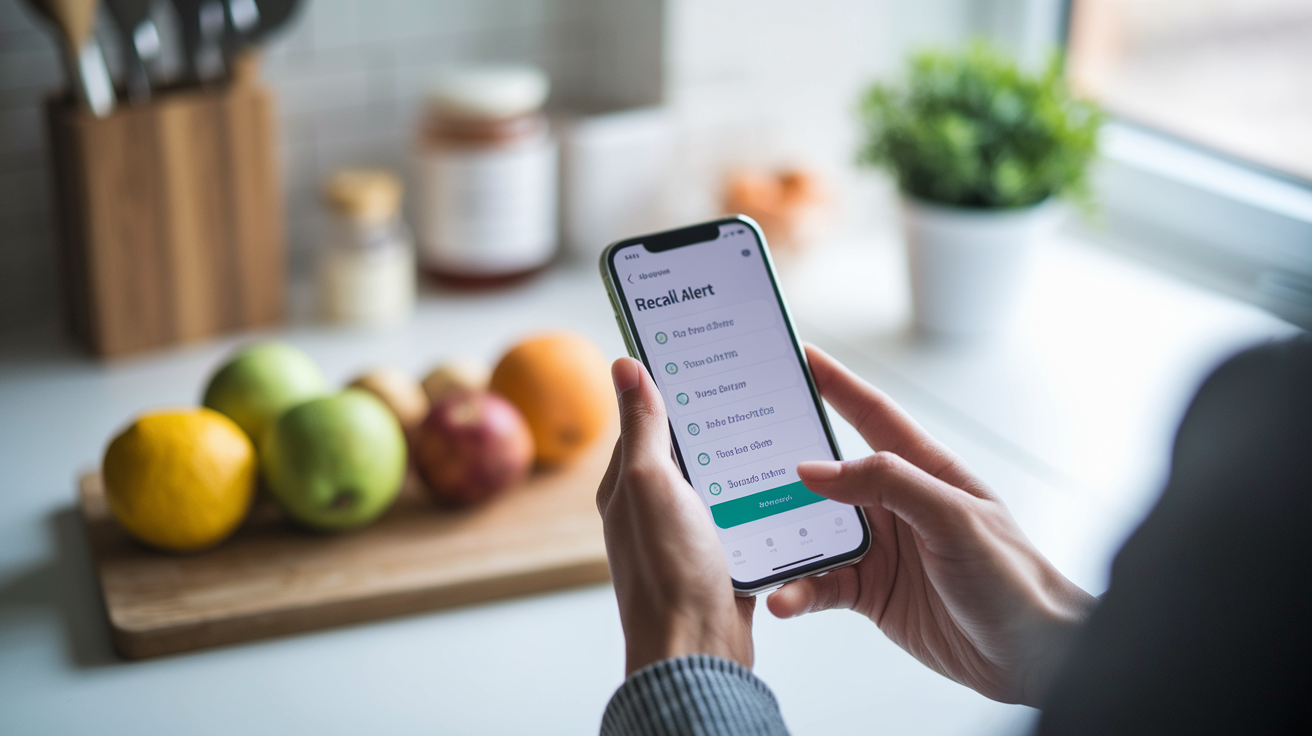
Mobile apps can automate the search process and send you push alerts the moment a recall is published.
The most comprehensive free option is Food Recalls & Alerts, published by SmartAddress, Inc. and available on both Apple and Android. It covers FDA, USDA, and pet food recalls and lets you filter by pathogen (Listeria, Salmonella, E. coli, Norovirus), allergen, or product category. You can browse recall lists manually or enable push notifications so you get alerts in real time.
The USDA’s FoodKeeper app is another free tool. It includes a “recalls” tab that lists FDA and USDA recalls from the past year, but it’s not as strong on push notifications. Still, if you already use FoodKeeper to track food storage dates, the recall tab is a convenient add-on.
For broader coverage, you can also sign up for email alerts directly from the FDA and USDA websites, or set up keyword-based news alerts through a search engine. For example, if your household includes someone with a severe peanut allergy, you can create an alert for “peanut recall” or “undeclared peanuts.”
When evaluating a recall app or alert service, look for these features:
- Real-time push notifications when a new recall matches your filter settings.
- Coverage of both FDA and USDA recalls, plus pet food if relevant.
- Filters for specific allergens, pathogens, foreign materials, or product types.
- Search by brand, UPC, or lot code so you can check a specific package immediately.
- Archive or history function so you can review past recalls if you’re unsure when you bought an item.
Interpreting Recall Notices and Severity Levels

Not all recalls carry the same level of risk.
The FDA and USDA classify recalls into three tiers. Class I means there’s a reasonable probability that eating or using the product will cause serious health problems or death. Class II indicates a remote chance of adverse health effects, usually temporary or reversible. Class III means the product violates labeling or safety regulations but is unlikely to cause any health consequences.
A typical recall notice will include the product name and brand, the UPC or GTIN, the lot or batch codes, the “best by” or production dates affected, the reason for the recall (pathogen contamination, undeclared allergen, foreign material like metal or plastic, or labeling error), the recall class, the quantity distributed, the states or regions where it was sold, and contact information for the manufacturer or agency.
If the notice lists a pathogen like Salmonella or Listeria, treat it as serious even if it’s labeled Class II. Vulnerable people can still get very sick.
Safety alerts and public health advisories are slightly different from recalls. An alert might warn about an outbreak linked to a type of product (for example, “romaine lettuce from a specific region”) without naming a specific brand or lot code. In those cases, agencies recommend avoiding the entire category until the source is identified.
Agencies update recall pages daily, so if you’re monitoring a situation, check back regularly for new lot codes or expanded distribution areas.
What to Do If Your Grocery Product Is Recalled
Stop using the product immediately. Even if it looks, smells, and tastes fine.
Cooking can kill some bacteria, but agencies explicitly tell you not to eat recalled food. The risk isn’t worth it. Rinsing fresh produce will not remove pathogens like Salmonella, Listeria, or E. coli. These microbes can live inside the plant tissue, not just on the surface.
Most recall notices will tell you exactly what to do next: return the item to the store for a full refund, throw it away following specific disposal instructions (sometimes double-bagging and placing in a sealed trash bin), or contact the manufacturer for a replacement or voucher.
Keep the packaging or at least a clear photo of the UPC, lot code, and dates. You’ll need proof of purchase or proof of possession for a refund, and the codes help confirm your product is actually part of the recall batch.
Follow these steps as soon as you confirm a match:
- Isolate the product immediately and make sure no one in your household eats it or feeds it to pets.
- Read the full recall notice to understand the reason (pathogen, allergen, foreign object) and the recommended action (return, discard, or contact manufacturer).
- Retain the original packaging or photograph all identifying codes, dates, and the brand label.
- If the notice says to return the item, bring it and your receipt (if available) to the store’s customer service desk. Most chains issue refunds without requiring a receipt for recalled items.
- If the notice instructs disposal, follow any safety guidance (for example, sealing the package to prevent contamination) and then discard it in your regular trash.
- Report any illness or injury related to the product to the appropriate agency (FDA or USDA) and keep documentation of medical visits if applicable.
How to Report Unsafe or Suspected Recalled Grocery Products

If you get sick after eating a grocery product, or if you find something that looks contaminated or mislabeled, you should report it even if there’s no official recall yet.
Early consumer reports help agencies identify problems and launch investigations.
For most foods, file a complaint online through the FDA’s Safety Reporting Portal or call 1-866-300-4374. For meat, poultry, fish, or egg products, use the USDA’s online complaint form or call the MPHotline at 1-888-674-6854.
If your issue involves a restaurant or prepared food from a deli counter, contact your city, county, or state health department. Local health inspectors handle foodborne illness investigations tied to food service, and they can order immediate corrective action or closure if needed.
When you report, include as much detail as possible: the product name and brand, where and when you bought it, the UPC and lot code, photos of the packaging and the problem (mold, foreign object, off smell), and any symptoms you or others experienced.
Manufacturers often provide direct consumer hotlines printed on the package. Calling that number can get you a faster response for a refund or replacement, but it won’t trigger a regulatory investigation. Always report to the government agency as well, especially if you suspect contamination or allergen mislabeling.
Your report becomes part of the data agencies use to decide whether to issue a recall or expand an existing one.
Final Words
Start by grabbing the UPC, lot code, and best-by date, then search FDA or USDA recall pages, the maker’s site, or a recall app.
Compare the codes to the notice, note the recall class, isolate the item, and follow the instructions for return or safe disposal.
Keep a photo of the packaging to speed verification.
Knowing how to check if a grocery product is under recall makes a confusing moment manageable, so you can act fast, protect your family, and get back to your day.
FAQ
Q: How to check if a product is recalled?
A: To check if a product is recalled, gather the UPC, lot/pack code, and date, then search FDA/USDA recall databases, the manufacturer or retailer site, or a recall app; stop using suspected items.
Q: Is there a recall on rosuvastatin? Is lisinopril recalled? Is there a recall on atorvastatin?
A: Whether rosuvastatin, lisinopril, or atorvastatin is recalled depends on current agency notices; check the FDA drug recalls page, the manufacturer’s site, your pharmacy, and match lot numbers for confirmation.

