

Want breakfast that actually wakes up your metabolism instead of just your appetite?
What you eat in the first hour after waking shifts how your body burns fuel and how steady your energy stays through the morning.
This post shows easy, real breakfasts, what to pick, why it helps, and quick swaps, so you get more energy, stay full longer, and make your metabolism work better without turning breakfast into a science project.
Why Breakfast Timing and Food Choices Matter for Your Metabolic Rate

Your first meal does more than quiet a growling stomach. It tells your body to stop burning stored fat and start processing incoming fuel, and what you eat in that first hour shapes how well you burn calories for the rest of the morning.
When you wake up, you’re still fasted. Your body’s been running on stored energy all night, burning liver glycogen and some fat to keep things humming. The second you eat, insulin kicks in, digestion starts, and your metabolism shifts modes. Choose foods that take real energy to digest and keep blood sugar steady, and you stretch out the calorie burn. Skip that, and you crash hard by 10 a.m., straight into the snack drawer.
Breakfast breaks the fast. Waiting about an hour after waking can stretch your daily fat-burning window and double the time you spend torching fuel compared to eating right away. But once you do eat, what’s on the plate decides if your metabolism hums or sputters.
High-protein foods have the strongest thermic effect. Your body burns more calories just digesting them. Fiber slows glucose release, preventing insulin spikes and keeping hunger quiet longer. Healthy fats stabilize energy and help absorb fat-soluble vitamins. Probiotic foods support gut health, which quietly influences metabolic efficiency. And compounds in green tea, coffee, and spices can nudge calorie burn a bit higher.
The goal isn’t obsessing over every gram or turning breakfast into lab work. It’s building a simple pattern you can repeat: prioritize protein, add fiber, include healthy fat, and ditch the sugar-heavy processed stuff that tastes good for five minutes and leaves you hungrier an hour later.
This guide covers the specific foods, portions, and meal ideas that actually work. You’ll get concrete numbers, Sunday prep tips, and realistic swaps for busy mornings. No hype. No detox nonsense. Just practical breakfast strategies that help your body burn more efficiently all day.
What Makes a Breakfast “Metabolism-Boosting”

Not all breakfasts are equal for keeping energy up and calorie burn steady. A metabolism-boosting breakfast is built around a few basics: it takes more energy to digest, it keeps blood sugar stable, and it keeps you full long enough to skip grazing before lunch.
Thermic effect of food is the calories your body burns breaking down what you ate. Protein has the highest thermic effect, fiber comes next, and refined carbs barely register. Eat 100 calories of plain chicken breast and your body might burn 25 to 30 of those digesting it. Eat 100 calories of white bread? Maybe 5 to 10. That gap adds up across every meal, every day.
Fiber does two jobs. It slows digestion, smoothing out the glucose curve and preventing the insulin roller coaster that tanks energy by 10 a.m. It adds bulk too, which triggers satiety signals in your gut. When you feel full, you stop eating sooner and snack less later. Both matter because consistent, controlled eating beats the crash-and-graze cycle most people mistake for hunger.
Healthy fats stabilize everything. They don’t spike insulin, they carry fat-soluble vitamins into cells, and they signal your brain that you’ve eaten real food. A breakfast with fat from nuts, seeds, avocado, or olive oil keeps you satisfied longer than the same calories from toast and jam.
Probiotics and gut health get less attention, but your gut microbiome influences how efficiently you extract energy, regulate blood sugar, and store fat. Yogurt, kefir, and fermented dairy bring live bacteria that support digestion and may modestly improve metabolic markers over time.
Thermogenic compounds are small helpers. Caffeine in coffee and green tea, catechins in tea, capsaicin in cayenne, even cinnamon can slightly increase calorie burn or improve insulin sensitivity. The effects are modest, a few percent at most, but they’re free if you already drink coffee or like spice in your eggs.
A breakfast combining these does more than fill you up. It turns your first meal into a lever nudging metabolism in the right direction, keeps energy steady through the morning, and makes eating well the rest of the day easier.
Target Numbers to Aim for at Breakfast
If you want breakfast to actually boost metabolism, hit a few simple targets. These aren’t rigid rules, but they give you a clear framework so you’re not guessing every morning.
Protein: 20 to 40 grams. The single most important number. Protein has the highest thermic effect, keeps you full longer, preserves muscle when you’re cutting calories. Aim for a minimum of 20 grams. 25 to 35 is optimal for satiety and thermogenesis. If you’re bigger, more active, or trying to lose weight, push toward 30 to 40.
Fiber: 8 to 12 grams. Fiber slows glucose absorption, feeds gut bacteria, adds volume without many calories. Most people get maybe 4 to 6 grams at breakfast. Doubling it makes a real difference in how full you feel and how steady your energy stays.
Calories: 300 to 500. The exact number depends on total daily intake and goals. Trying to lose weight? Stay closer to 300 to 400. Maintaining or need more energy for a workout? 400 to 500 is fine. The key is spending those calories on nutrient-dense foods, not empty carbs and sugar.
Timing: within 30 to 60 minutes of waking. Eating too early cuts your overnight fast short. Waiting an hour lets you extend that fat-burning window a bit. But don’t wait so long you’re ravenous and overeat or reach for whatever’s fastest. Find the balance that fits your schedule and appetite.
Thermogenic additions: 1 cup green tea or 8 to 12 ounces black coffee, plus a pinch of spice. Green tea delivers 25 to 50 milligrams of caffeine plus EGCG, which can modestly increase fat oxidation. Black coffee gives you 80 to 95 milligrams of caffeine and a short-term metabolic boost. Adding 1/8 to 1/4 teaspoon cayenne or 1/2 teaspoon cinnamon adds flavor and a small thermogenic effect.
These numbers are practical enough to eyeball once you know portions. A couple eggs, a cup of Greek yogurt, or a scoop of protein powder gets you to 20 grams of protein. A cup of cooked oats or a big handful of berries and veggies gets you most of your fiber. Add a tablespoon of nuts or half an avocado for healthy fats, and you’ve hit the framework.
You don’t need to weigh everything or track macros obsessively. Just aim for the protein target first, add fiber from whole grains or fruit or vegetables, keep total calories in check, and include your coffee or tea. Do that most mornings, and your metabolism has what it needs to run efficiently.
Greek Yogurt Parfait with Berries and Nuts

One of the fastest, most flexible high-protein breakfasts you can build. Zero cooking required, travels well, and you can prep it in batches for the week.
Why it works: Greek yogurt is concentrated protein, usually 15 to 18 grams per 6-ounce serving. That protein has a strong thermic effect and keeps you full for hours. The probiotics in yogurt support gut health, which influences how efficiently you digest food and regulate blood sugar. Berries add fiber and antioxidants without many calories. Nuts and seeds bring healthy fats, more protein, extra fiber, plus they slow digestion even further.
Portions and ingredients:
- 6 ounces (170 grams) plain Greek yogurt, about 15 to 18 grams protein
- 1/2 cup mixed berries, fresh or frozen, about 30 to 60 calories and 3 to 4 grams fiber
- 2 tablespoons chopped nuts, almonds or walnuts, about 100 calories and 3 grams protein
- 1 tablespoon chia seeds or ground flax, about 60 calories and 5 grams fiber
Estimated nutrition: 300 to 360 calories, 18 to 22 grams protein, 8 to 10 grams fiber.
How to prep it: Portion yogurt into 3 to 4 single-serve containers on Sunday. Add berries and nuts. Store in the fridge for up to 4 days. If you use frozen berries, they’ll thaw by morning and keep the yogurt cold. Add chia or flax right before eating if you want it crunchy, or mix it in ahead if you prefer it soaked and softer.
Choose plain, full-fat or 2% Greek yogurt. Low-fat versions often contain thickeners and emulsifiers that can damage your gut microbiome. If you want it sweeter, add a drizzle of honey or a mashed banana instead of buying pre-sweetened stuff loaded with added sugar.
Cost: About $1.50 to $3.00 per serving, depending on whether you buy organic yogurt and nuts in bulk.
This meal hits the protein target, delivers fiber, gives you healthy fats. It’s one of the simplest ways to check all the metabolism-boosting boxes in under five minutes.
Veggie Omelet with Whole-Grain Toast

Eggs are one of the highest-quality proteins you can eat, and folding in vegetables turns a basic omelet into a fiber-rich, nutrient-dense meal that keeps you full well past lunch.
Why it works: Two large eggs plus two egg whites give you about 18 grams of protein with a strong thermic effect. Eggs also supply choline, which supports brain function and liver health, plus lutein and zeaxanthin for eye health. The vegetables (spinach, peppers, onions, tomatoes) add volume, micronutrients, and fiber without many calories. Whole-grain toast provides slow-digesting carbs and more fiber to balance the meal and keep blood sugar steady.
Portions and ingredients:
- 2 large whole eggs, about 12 grams protein and 140 calories
- 2 egg whites, about 6 grams protein and 30 calories
- 1 cup mixed sautéed vegetables (spinach, bell peppers, onions), about 50 calories and 3 grams fiber
- 1 slice whole-grain bread, about 80 calories and 3 grams fiber
- Cook with 1 teaspoon extra virgin olive oil, about 40 calories
Estimated nutrition: 350 to 420 calories, 18 to 22 grams protein, 6 to 8 grams fiber.
How to prep it: Chop vegetables on Sunday and store in the fridge in a container for up to 4 days. In the morning, heat a nonstick pan, add olive oil, sauté veggies for 2 minutes, pour in eggs, scramble or fold into an omelet. Toast the bread while eggs cook.
If mornings are too rushed, batch-make egg muffins. Whisk 6 to 12 eggs with 2 to 3 cups chopped vegetables, pour into a muffin tin, bake at 350°F for 20 to 25 minutes. Store in the fridge for 3 to 4 days or freeze for up to 2 months. Reheat one or two in the microwave for 30 to 60 seconds.
Choose pasture-raised or organic eggs when you can. They tend to have higher omega-3 levels and better overall nutrient profiles. Boil, poach, or scramble eggs instead of frying them in butter. Olive oil is a better choice because the polyphenols in it may help neutralize some compounds formed during high-heat cooking.
Cost: About $1.20 to $2.50 per serving, depending on egg and vegetable prices.
This breakfast is filling, versatile, easy to prep ahead. It’s one of the best ways to get high-quality protein and vegetables first thing in the morning.
Oatmeal with Protein and Nut Butter
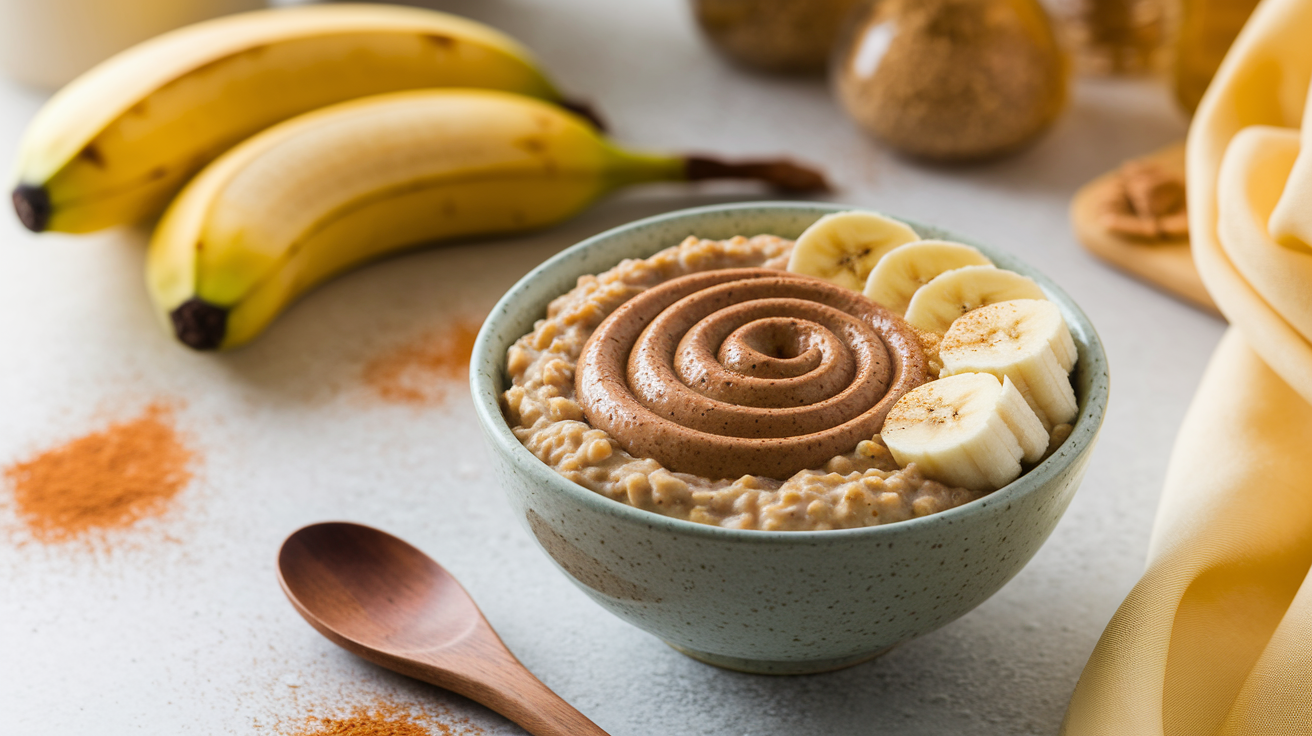
Oatmeal is a metabolism staple because it’s high in fiber, especially beta-glucans, which feed gut bacteria and can help lower cholesterol. But plain oats are mostly carbs, so you need to add protein to turn it into a complete, metabolism-boosting meal.
Why it works: Whole grains like oats have a higher thermic effect than refined carbs. The soluble fiber in oats slows digestion and keeps blood sugar steady. Adding protein powder or Greek yogurt increases the thermic effect and keeps you full longer. Nut butter adds healthy fats and more protein, plus it makes oats taste less like paste.
Portions and ingredients:
- 1/2 cup dry steel-cut or rolled oats (40 to 50 grams), about 150 calories and 4 grams fiber
- 1 scoop whey or plant protein powder, 20 to 25 grams protein, about 100 to 120 calories
- 1 tablespoon nut butter (almond or peanut), about 100 calories, 3 grams protein, 2 grams fiber
- 1/2 banana or 1/4 cup berries, about 50 to 60 calories and 2 grams fiber
- Optional: 1 teaspoon chia or flax for extra fiber
Estimated nutrition: 350 to 450 calories, 25 to 35 grams protein, 6 to 8 grams fiber (more with added seeds).
How to prep it: Steel-cut oats take 30 to 40 minutes to cook on the stove. Rolled oats take 5 to 10 minutes. Want to save time? Make overnight oats. Mix dry oats with milk or water in a jar, add protein powder and nut butter, stir, refrigerate overnight. In the morning, it’s ready to eat cold or you can heat it gently.
Prepare 3 to 4 jars at once and store in the fridge for up to 4 days. Add fresh fruit right before eating to keep it from getting mushy.
Choose steel-cut oats when you can. They’re the least processed option and have a lower glycemic index than instant oats. Instant oats are heavily processed, often come with added sugars, and sometimes contain microplastics from the packaging.
Cost: About $1.00 to $2.50 per serving, depending on protein powder and nut butter you buy.
This meal is warm, filling, easy to customize. It hits the protein and fiber targets and works whether you’re eating at home or packing it for the office.
High-Protein Smoothie
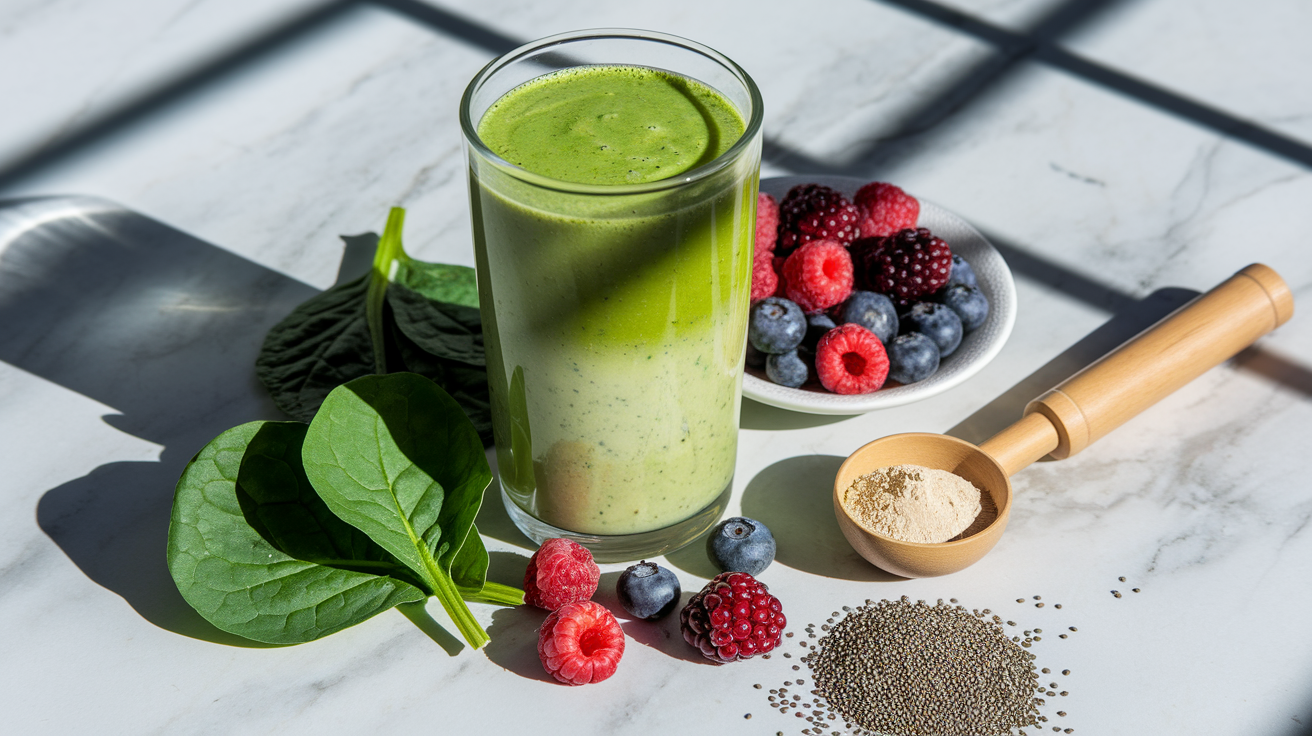
A smoothie is the fastest way to pack protein, fiber, greens, and healthy fats into one drinkable meal. It works for people who don’t have much appetite in the morning or who need to eat on the go.
Why it works: Blending protein powder with fruit, greens, and seeds gives you a complete meal in under two minutes. The protein increases the thermic effect, fiber slows absorption, greens add micronutrients without many calories. Smoothies are also easy to digest, so they’re a good option if solid food feels heavy first thing.
Portions and ingredients:
- 1 scoop whey or pea protein powder, 20 to 25 grams protein, about 100 to 120 calories
- 1 cup unsweetened almond milk or water, about 30 to 40 calories
- 1 cup raw spinach, about 7 calories
- 1/2 cup frozen berries, about 40 calories and 3 grams fiber
- 1 tablespoon chia seeds or ground flax, about 60 calories and 5 grams fiber
- Optional: 1/4 avocado for creaminess, about 60 calories and 2 grams fiber
Estimated nutrition: 300 to 420 calories, 25 to 30 grams protein, 6 to 9 grams fiber.
How to prep it: Make freezer packs on Sunday. Portion fruit, greens, and seeds into individual zip-top bags or containers. In the morning, dump one pack into the blender, add protein powder and liquid, blend for 30 seconds. Best consumed within 24 hours for texture.
You can also blend everything fresh each morning if you prefer. Either way, total prep time is under 3 minutes.
Use unsweetened milk or water as your base. Sweetened almond milk or juice adds unnecessary sugar and calories. Want it sweeter? Add half a banana or a few dates instead.
Cost: About $1.50 to $3.50 per serving, depending on protein powder brand. Bulk protein powder and frozen fruit keep the cost down.
One of the most flexible breakfasts on the list. You can swap the greens, change the fruit, or add a handful of oats for extra fiber. Fast, portable, hits all the metabolism-boosting targets.
Cottage Cheese Bowl with Fruit and Seeds

Cottage cheese is a slow-digesting, casein-rich protein that keeps you full longer than whey-based options. It’s underrated, cheap, and pairs well with both sweet and savory toppings.
Why it works: Cottage cheese supplies 12 to 18 grams of protein per 3/4 cup, depending on brand. Casein digests slowly, releasing amino acids into your bloodstream over several hours. That steady supply supports muscle maintenance and keeps hunger at bay. The probiotics in cultured cottage cheese support gut health, and when you add fruit and seeds, you get fiber, antioxidants, and healthy fats.
Portions and ingredients:
- 1/2 to 3/4 cup cottage cheese, about 12 to 18 grams protein and 80 to 120 calories
- 1/2 cup pineapple chunks or mixed berries, about 40 to 60 calories and 2 to 3 grams fiber
- 2 tablespoons mixed seeds (pumpkin and chia), about 100 calories, 4 grams protein, 5 grams fiber
Estimated nutrition: 250 to 350 calories, 12 to 20 grams protein, 5 to 8 grams fiber.
How to prep it: Portion cottage cheese into single-serve containers on Sunday. Add fruit and seeds. Store in the fridge for up to 4 days. Cottage cheese holds well once portioned, and fruit stays fresh if it’s not overly ripe.
Choose full-fat or 2% cottage cheese over low-fat. Low-fat versions often include thickeners and emulsifiers that can harm your gut microbiome, increase inflammation, and mess with cholesterol levels. The extra fat in full-fat cottage cheese also helps you absorb fat-soluble vitamins and keeps you satisfied longer.
Cost: About $1.00 to $2.00 per serving. Cottage cheese is one of the cheapest high-protein foods you can buy.
This meal is simple, requires no cooking, works whether you’re in a rush or sitting down to eat. Solid pick for anyone who wants a lighter breakfast that still delivers protein and keeps hunger in check.
Smoked Salmon or Canned Salmon on Whole-Grain Toast
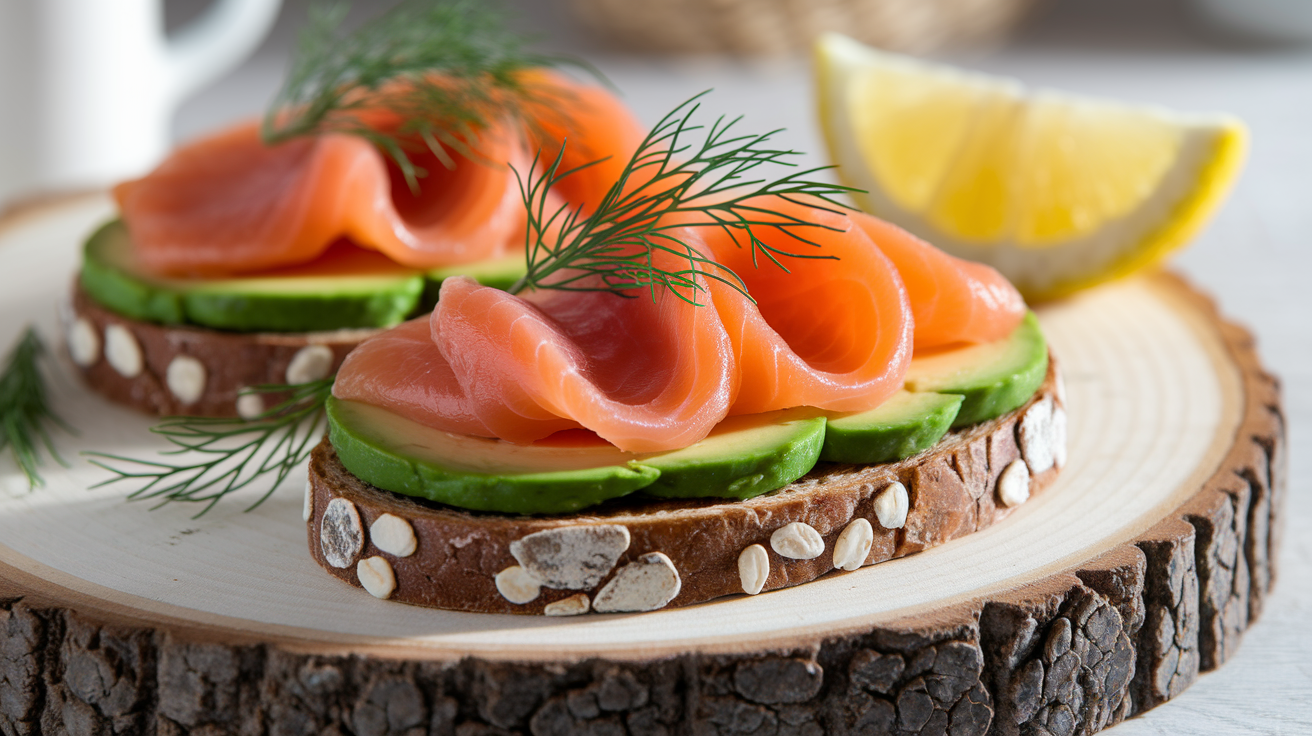
Salmon is one of the best sources of high-quality protein and omega-3 fatty acids, which support metabolic health, insulin sensitivity, and inflammation control. It’s also fast to assemble and doesn’t require cooking if you buy it smoked or canned.
Why it works: A 2- to 3-ounce serving of salmon delivers 15 to 20 grams of protein with a high thermic effect. The omega-3s in salmon improve how your cells respond to insulin, which helps regulate blood sugar and reduce fat storage. Whole-grain toast adds fiber and slow-digesting carbs, and a little avocado or olive oil provides healthy fats that keep you full.
Portions and ingredients:
- 2 to 3 ounces smoked salmon or canned salmon, about 15 to 20 grams protein and 100 to 140 calories
- 1 slice whole-grain bread, about 80 calories and 3 grams fiber
- 1/4 avocado or 1 teaspoon extra virgin olive oil, about 60 to 80 calories and 2 grams fiber
- Lemon, cracked pepper, optional fresh dill or arugula
Estimated nutrition: 300 to 380 calories, 18 to 22 grams protein, 4 to 6 grams fiber.
How to prep it: Canned salmon is shelf-stable and ready to eat. Drain it, flake it with a fork, mix with a squeeze of lemon and cracked pepper, spread on toast. Smoked salmon needs no prep at all. Top with avocado or a drizzle of olive oil and you’re done.
If you use canned salmon, look for wild-caught options packed in water, not oil. The oil is usually low-quality and adds calories without much benefit. Wild salmon tends to have higher omega-3 levels than farmed.
Cost: About $2.00 to $4.00 per serving. Smoked salmon is pricier, but canned salmon is one of the most affordable omega-3 sources available.
This breakfast is fast, portable, nutrient-dense. Good option for anyone who wants something savory and high in protein without standing over a stove.
Savory Breakfast Bowl with Quinoa, Beans, and Egg

Most breakfast ideas lean sweet, but a savory bowl built around whole grains, legumes, and eggs hits all the same metabolic targets and feels more like a real meal if you’re not a fan of fruit and yogurt.
Why it works: Quinoa and farro are whole grains that provide fiber and slow-release carbs. Black beans or lentils add plant protein and more fiber, which together increase the thermic effect and keep blood sugar stable. A poached egg or tofu scramble adds high-quality protein, and salsa or greens add micronutrients without many calories.
Portions and ingredients:
- 1/2 cup cooked quinoa or farro, about 110 to 140 calories and 3 to 4 grams fiber
- 1/4 to 1/2 cup black beans or cooked lentils, about 60 to 110 calories, 4 to 7 grams protein, 4 to 6 grams fiber
- 1 poached egg (about 6 grams protein and 70 calories) or 100 grams tofu scramble (about 10 grams protein and 80 calories)
- 2 tablespoons salsa, about 10 calories
- 1 cup spinach or arugula, about 7 calories
Estimated nutrition: 350 to 480 calories, 20 to 30 grams protein, 8 to 12 grams fiber.
How to prep it: Batch-cook 3 to 4 cups of quinoa or farro on Sunday. Store in the fridge for up to 4 days. Cook a can or two of black beans or lentils and portion into containers. In the morning, reheat grains and beans in the microwave for 60 to 90 seconds, top with a poached egg or scrambled tofu, add salsa and greens.
Quinoa takes about 15 minutes to cook on the stove. Farro takes 20 to 30 minutes. Both freeze well if you want to cook a larger batch and freeze portions for up to 2 months.
Cost: About $1.50 to $3.00 per serving. Grains and beans are some of the cheapest protein and fiber sources you can buy.
This meal is filling, warming, works for anyone who prefers savory breakfasts. Hits the protein and fiber targets and keeps you satisfied through the morning without any sugar or fruit.
Beverages and Thermogenic Add-Ons That Support Metabolism
What you drink with breakfast and the spices you add can modestly increase calorie burn and improve how your body handles glucose. The effects are small, but they’re free if you already drink coffee or tea.
Green tea: One cup of hot or iced green tea delivers about 25 to 50 milligrams of caffeine plus a compound called EGCG, linked to small increases in fat oxidation. Studies show drinking 2 to 3 cups per day can slightly boost metabolic rate over time. Brew loose or bagged green tea for 3 to 5 minutes to maximize catechins. Don’t add sugar or sweetened creamers, they cancel out the benefits.
Black coffee: Eight to 12 ounces gives you about 80 to 120 milligrams of caffeine, which can raise metabolic rate for a few hours after you drink it. Coffee also suppresses appetite in some people, which can help with calorie control. Keep it black or add a splash of unsweetened milk. Sweetened coffee drinks are just liquid sugar and will spike your blood sugar instead of supporting metabolism.
Lemon water: Drinking 8 to 12 ounces of water with a squeeze of fresh lemon first thing doesn’t directly boost metabolism, but it hydrates you after an overnight fast and provides a small dose of vitamin C. Hydration matters because even mild dehydration can slow metabolic processes and make you feel sluggish.
Cayenne and chili powder: Adding 1/8 to 1/4 teaspoon of cayenne or chili powder to your eggs, omelet, or savory breakfast bowl provides capsaicin, which has a small thermogenic effect. It can increase calorie burn slightly and may help with appetite control. Pair it with protein for the best effect.
Cinnamon and ginger: Half a teaspoon of cinnamon or fresh grated ginger adds flavor without calories and may improve insulin sensitivity. Cinnamon is easy to sprinkle on oatmeal or yogurt. Ginger works in smoothies or tea. Neither will transform your metabolism on their own, but they’re simple additions that support glycemic control.
Keep total daily caffeine under 400 milligrams for most adults. Pregnant or lactating individuals should consult a provider and stay under 200 milligrams per day. Don’t rely on beverages or spices alone for weight loss. They’re small helpers, not magic bullets. The food you eat matters far more than the spice you sprinkle on top.
Meal-Prep, Batch-Cooking, and Storage Tips
Building metabolism-boosting breakfasts every morning is easier when you prep ingredients and full meals in advance. A couple hours on Sunday sets you up for the week and removes the “I don’t have time” excuse.
Egg muffins and omelets: Whisk 6 to 12 eggs with 2 to 3 cups chopped vegetables (peppers, spinach, onions, tomatoes). Pour the mixture into a greased muffin tin, about 2/3 full per cup. Bake at 350°F for 20 to 25 minutes until set. Let them cool, then store in the fridge for 3 to 4 days or freeze for up to 2 months. Reheat in the microwave for 30 to 60 seconds. Each muffin gives you roughly 6 to 8 grams of protein.
Overnight oats: Portion 1/2 cup dry oats into individual jars or containers. Add 3/4 cup milk or water, 1 scoop protein powder, 1 tablespoon nut butter, and a handful of berries. Stir, seal, refrigerate. They’ll keep for up to 4 days. Add fresh fruit or extra seeds right before eating if you want more texture.
Cooked grains: Cook a large batch of quinoa, farro, or steel-cut oats once per week. Three to six cups of cooked grains will cover multiple breakfasts or lunch bowls. Store in airtight containers in the fridge for 3 to 4 days. Freeze individual portions in zip-top bags for 1 to 2 months. Reheat in the microwave with a splash of water to keep them from drying out.
Smoothie freezer packs: Portion 1 cup spinach, 1/2 cup frozen berries, 1 tablespoon chia or flax, and any other fruit into individual bags or containers. Freeze for up to 10 days. In the morning, dump one pack into the blender, add protein powder and liquid, blend. This cuts your morning prep time to under 2 minutes.
Cooked proteins: Batch-cook chicken breast, turkey sausage, or hard-boiled eggs. Store cooked chicken and turkey in the fridge for 3 to 4 days or freeze for 1 to 3 months. Hard-boiled eggs keep in the fridge for up to 1 week. Peel them right after cooking and store in a sealed container with a damp paper towel to prevent them from drying out.
Portioned yogurt and cottage cheese: Buy large tubs instead of individual cups and portion into reusable containers with lids. Add fruit, nuts, and seeds at the same time. Cheaper than buying single-serve cups and gives you more control over what goes in.
Pre-chopped vegetables: Chop bell peppers, onions, spinach, and tomatoes on Sunday and store in a container in the fridge for up to 4 days. In the morning, grab a handful and toss into your omelet or breakfast bowl.
Label everything with the date you prepped it. Most cooked foods are safe in the fridge for 3 to 4 days. After that, freeze them or toss them. If something smells off or looks slimy, throw it out.
Timing, Frequency, and Practical Implementation
When you eat and how often you eat protein-containing meals both influence how efficiently your body burns calories and maintains muscle mass.
When to eat breakfast: Aim to eat within 30 to 60 minutes of waking when practical. If you wake up at 6 a.m., try to eat by 7 a.m. Waiting about an hour can extend your overnight fat-burning window a bit. But don’t wait so long you’re ravenous and end up overeating or grabbing something fast and low-quality.
If you naturally have low appetite in the morning, start small. Eat 10 to 15 grams of protein, a few spoonfuls of Greek yogurt or a small smoothie, and increase the portion over 1 to 2 weeks. Your appetite will adjust as your body gets used to eating earlier.
Spacing protein throughout the day: Protein isn’t just for breakfast. Space protein-containing meals and snacks every 3 to 4 hours to sustain the thermic effect and support muscle protein synthesis. If you eat breakfast at 7 a.m., plan a snack or small meal around 10 or 11 a.m., lunch at 1 p.m., another snack at 4 p.m., dinner by 7 p.m. This pattern keeps metabolism active and prevents energy crashes that lead to grazing.
Adjusting for your goals: If weight loss is your primary goal, keep breakfast in the 300 to 400 calorie range with 25 to 35 grams of protein. That combination maximizes satiety and calorie burn without overshooting your daily target. If you’re maintaining weight or need more energy for a morning workout, push breakfast to 400 to 500 calories and add an extra serving of whole grains or healthy fats.
Building the habit: Pick 2 to 3 breakfast options from this guide and rotate them for a week. Don’t try eating something different every day. Repetition builds the habit faster and makes grocery shopping simpler. Once those meals feel automatic, add a fourth or fifth option.
Keep your kitchen stocked with the basics: eggs, Greek yogurt, oats, protein powder, frozen berries, spinach, nuts, seeds, whole-grain bread, canned salmon, and cottage cheese. With those ingredients on hand, you can build any of the meals in this guide in under 10 minutes.
Quick Troubleshooting and Substitutions
Real life gets in the way of perfect meal plans. Here’s how to adapt when you have dietary restrictions, low appetite, or need a faster option.
Vegan or plant-based: Swap whey protein for pea or soy protein powder, 20 to 30 grams per serving. Use tofu scramble instead of eggs (about 100 grams of firm tofu gives you 10 grams of protein). Add beans, lentils, or tempeh for extra plant protein. Use fortified plant yogurt and check the label for protein, many brands are low. Aim for the same protein and fiber targets (20 to 40 grams protein and 8 to 12 grams fiber).
Dairy-free: Use fortified almond, soy, or oat milk instead of cow’s milk. Choose brands with at least 7 to 8 grams of protein per cup. Swap Greek yogurt for coconut or almond-based yogurt and add protein powder to hit your protein target. Cottage cheese and cheese can be replaced with tofu or nutritional yeast.
Final Words
Jump in: pick a protein, add fiber, and finish with a little healthy fat. The post showed quick builds, easy swaps, and timing tips you can actually use on busy mornings.
Look for simple moves: Greek yogurt with berries and oats, eggs with whole-grain toast and veg, or a smoothie with protein and spinach. Small swaps cut added sugar and keep you full longer.
Use the one-week experiment we suggested, track how you feel, then keep the parts that work. Try a few of the best breakfasts to boost metabolism and make mornings simpler and more satisfying.
FAQ
Q: What breakfast speeds up metabolism and helps burn belly fat?
A: The breakfast that speeds metabolism and helps burn belly fat is high in protein, includes fiber-rich carbs, and a bit of healthy fat — think eggs or Greek yogurt with berries and oats to curb appetite.
Q: Can eating breakfast lower A1C?
A: Eating breakfast can lower A1C for some people by preventing big blood sugar spikes, especially when the meal pairs protein, fiber, and healthy fat and skips sugary cereals and drinks.
Q: What is the 30 30 30 rule for breakfast?
A: The 30 30 30 rule for breakfast is loosely defined, but a useful take is roughly 30 grams protein plus fiber and healthy fat at breakfast to boost fullness and steady blood sugar.

