

Think fast food is a free-for-all where your choices don’t matter?
You’d be surprised how one swap or saying no to an upsize can save 300 to 600 calories, hundreds of milligrams of sodium, and a whole lot of sugar.
A 20-ounce soda often packs more added sugar than most people should have in a day.
This post walks you through menu-sized rules you can use right now — pick grilled over crispy, skip automatic combos, get sauces on the side, and choose smaller sides — so your fast-food meal actually works for your energy and goals.
Core Strategies for Navigating Fast-Food Menus
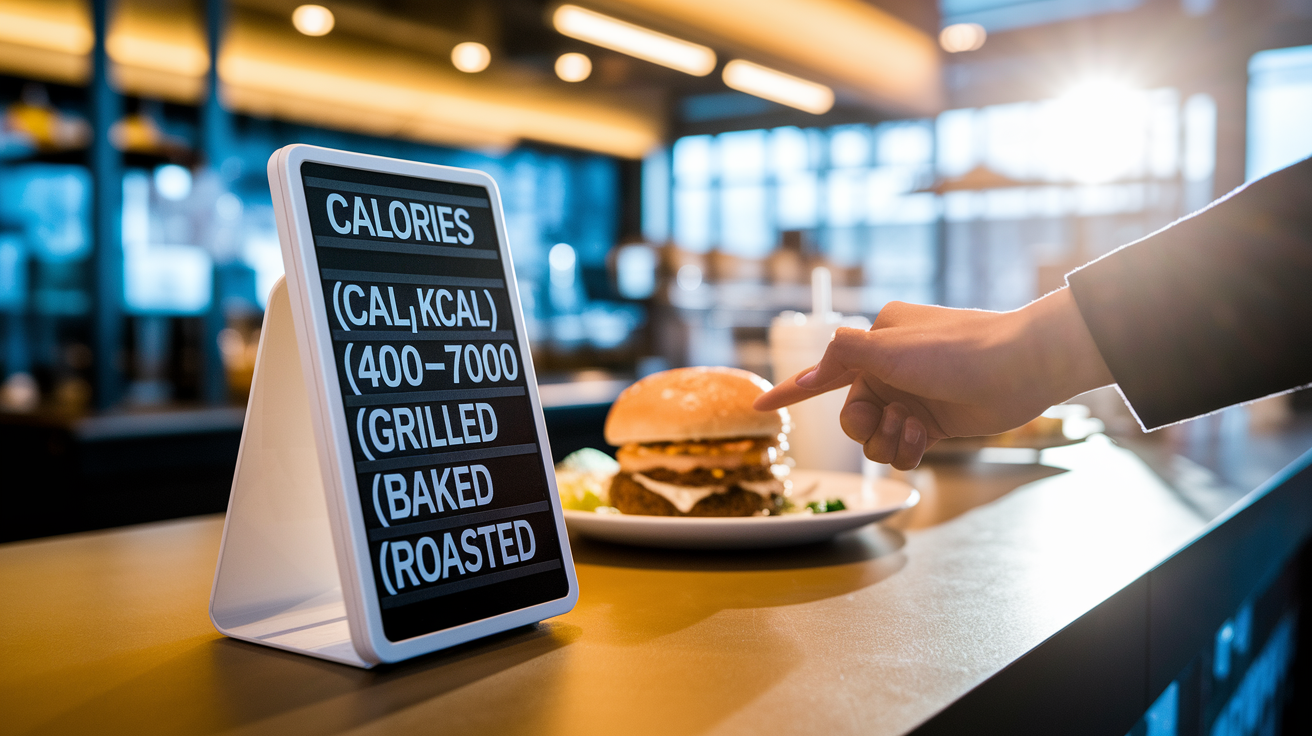
When you’re staring at a menu board, you want to land somewhere near 400 to 700 calories for a main meal while keeping sodium below 800 to 1,000 milligrams. Fast food restaurants throw items at you that range wildly. Sandwiches might be 300 to 1,200 calories depending on what’s stacked inside, and a single combo meal with fries and a soda can easily push 800 to 1,500 calories.
The trick? Scan for warning words like “crispy,” “fried,” “loaded,” or “stacked.” These usually mean higher calories, more fat, and extra sodium. Look for items described as “grilled,” “baked,” or “roasted” first, then check what comes on the side.
Sides and beverages quietly add hundreds of calories and grams of sugar without much satisfaction. Medium fries typically run 300 to 400 calories with 300 to 600 milligrams of sodium. A 20-ounce fountain soda adds another 150 to 300 calories and 40 to 70 grams of sugar. Swap fries for a side salad or fruit cup (usually 20 to 150 calories), and replace the soda with water or unsweetened tea to save 300 to 600 calories in one decision.
Dressings and sauces matter too. Two tablespoons of ranch or mayo can add 100 to 200 calories, so ask for them on the side and use half.
Small customizations keep you in range without feeling deprived. Skipping mayo saves about 90 to 200 calories, removing cheese cuts another 50 to 120, and holding bacon trims 40 to 100 more. These aren’t huge changes on their own. But together they can reduce a 700-calorie sandwich to 450 without changing the main protein or vegetables.
- Choose grilled or baked proteins and check the calorie count before adding extras.
- Order the smallest available size for fries, drinks, and sandwiches to avoid automatic upsizing.
- Ask for sauces, dressings, and condiments on the side so you control how much goes on.
- Swap sugary drinks for water, unsweetened iced tea, or black coffee to eliminate 150 to 300 empty calories.
- Skip cheese, bacon, or mayo if the sandwich already has a sauce or flavorful toppings.
- Use menu keywords as red flags. Words like “crispy” or “loaded” usually mean higher calories and sodium.
Evaluating Fast-Food Menu Items for Better Health Choices
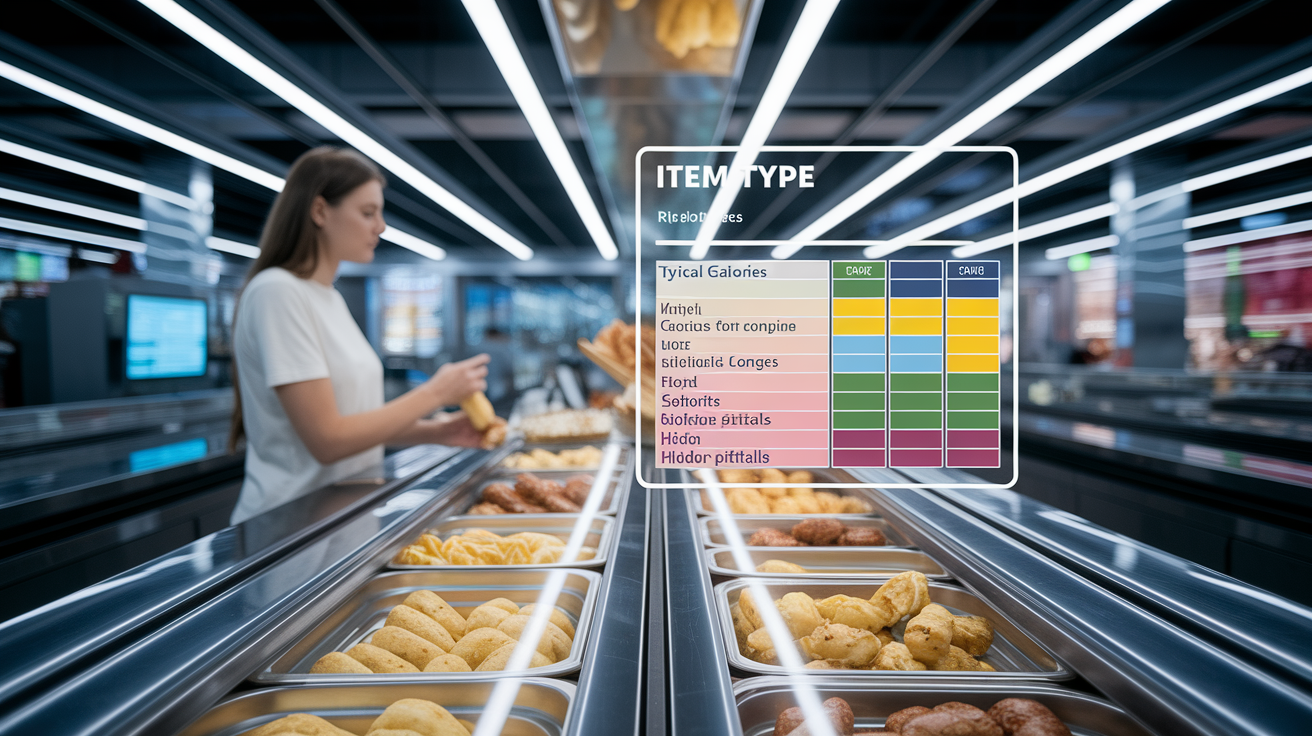
Compare items by looking at calories, sodium, saturated fat, and added sugars first. Avoid anything over 800 to 1,000 calories per serving, more than 1,200 milligrams of sodium, or more than 10 to 12 grams of saturated fat unless you’re splitting it or planning a lighter meal later. Added sugars should stay under 20 to 25 grams per meal. Most of that comes from beverages, sauces, and desserts.
Single burgers with a plain bun and vegetables often land between 300 and 550 calories, but double patties, specialty sauces, and bacon can push the same item to 900 or more.
Salads, wraps, and bowls sound healthier but can exceed your targets fast. A salad with fried chicken, cheese, bacon bits, croutons, and two packets of creamy dressing can easily hit 700 to 1,000 calories and more than 1,500 milligrams of sodium. Wraps stuffed with cheese and ranch sauce often contain more calories than a grilled chicken sandwich. Bowls loaded with rice, cheese, sour cream, and tortilla strips can reach 900 calories even without meat.
The trick is to ask what’s inside and subtract the highest-calorie toppings.
| Item Type | Typical Calories | Sodium Range | Hidden Pitfalls |
|---|---|---|---|
| Grilled chicken sandwich (plain) | 300–500 | 600–900 mg | Mayo, special sauces, and cheese add 200–400 kcal and 300–600 mg sodium |
| Crispy chicken sandwich | 500–900 | 900–1,500 mg | Breading and frying add fat; sauces and pickles boost sodium significantly |
| Salads with fried protein | 600–1,000 | 800–1,800 mg | Dressings (100–200 kcal per 2 tbsp), cheese, bacon, and fried toppings stack calories |
| Burrito bowls (full toppings) | 700–1,100 | 1,200–2,000 mg | Rice, cheese, sour cream, and tortilla strips add hundreds of hidden calories |
| Breakfast platters or biscuits | 600–1,200 | 1,000–2,200 mg | Biscuits, sausage, bacon, and gravy are calorie and sodium bombs |
Portion-Control Methods for Healthier Fast-Food Eating
Fast food portions have grown so much over the past few decades that a “regular” now feels small and a “large” looks normal. That shift pushes people to overeat without realizing it. Ordering a large combo because it’s only a dollar more adds 200 to 500 calories you probably didn’t need.
Portion distortion makes it harder to recognize when you’ve had enough, especially when combos come pre-packaged and upsizing is the default question at the register.
Resisting the upsize takes one simple strategy: decide your portion before you order. Choose the smallest sandwich or entrée size listed, order a kids’ meal (which typically runs 300 to 500 calories total), or ask for a single item instead of a combo. If the portion still looks too big when it arrives, box half before you start eating or share it with someone. Splitting a regular burger and one order of fries between two people keeps each person around 300 to 400 calories instead of 600 to 800.
Other practical tactics include ordering appetizers or side items as your main meal. A small order of grilled nuggets with a side salad and fruit might only total 350 calories but still feel like a full lunch. Skip the default combo structure entirely by picking your entrée, side, and drink separately so you’re not locked into fries and soda.
Many chains also offer “snack” or “mini” versions of sandwiches or wraps that cut portion size and calories by about a third without leaving you hungry if you pair them with a filling side like yogurt or vegetables.
Smart Ingredient and Cooking-Method Swaps at Fast-Food Restaurants
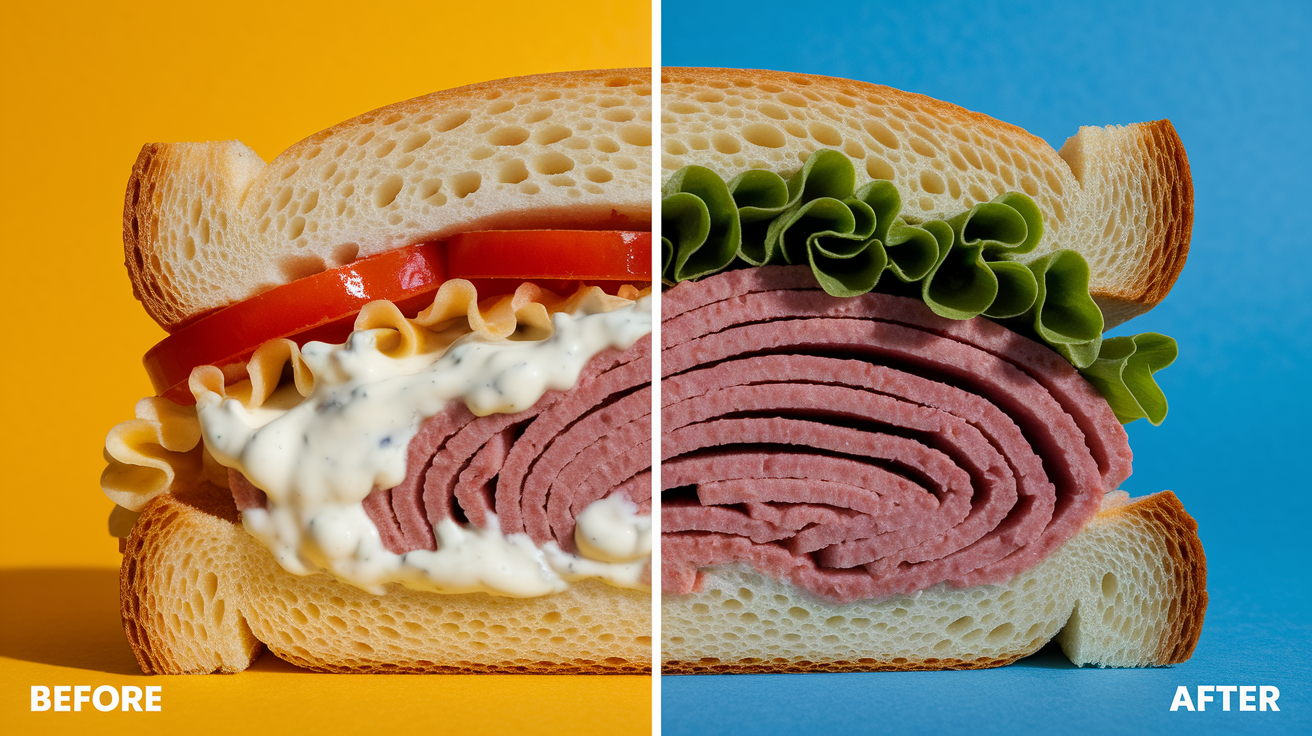
Swapping a few ingredients can drop your meal by 200 to 500 calories without changing what you’re eating. Removing mayo from a sandwich saves about 90 to 200 calories depending on how much the kitchen normally uses. Skipping cheese cuts another 50 to 120 calories and 150 to 300 milligrams of sodium. Leaving off bacon trims 40 to 100 calories per slice.
None of these changes are huge alone. But together they bring a 750-calorie sandwich down to around 450 or 500 while keeping the grilled chicken, lettuce, tomato, and bun.
Modifying the bread or wrap also helps. Choosing a lettuce wrap instead of a bun saves roughly 150 to 300 calories and eliminates most of the refined carbs. Whole-grain buns add 2 to 4 grams of fiber with only a small calorie difference, usually 0 to 50 calories more than white bread.
Asking for sauces and dressings on the side lets you control the amount. Using one tablespoon instead of two cuts 50 to 100 calories, and dipping each bite instead of pouring it on often uses even less. If the sandwich already has a flavorful sauce or pickles, you probably don’t need mayo or another creamy topping.
- Ask for grilled instead of fried chicken or fish to save 200 to 400 calories and reduce added fat by 10 to 30 grams.
- Hold the mayo or request mustard, hot sauce, or vinegar instead to save 90 to 200 calories.
- Skip cheese or ask for half the usual amount to cut 50 to 120 calories and 150 to 300 milligrams sodium.
- Remove bacon or sausage from sandwiches and breakfast items to save 40 to 150 calories per serving.
- Choose a lettuce wrap or bowl instead of a tortilla or bun to save 150 to 300 calories.
- Request sauces and dressings on the side and use half the packet to cut 50 to 150 calories.
- Swap fries for a side salad, fruit cup, or steamed vegetables to save 150 to 480 calories depending on the fry size.
Selecting Healthier Fast-Food Sides and Snacks

Fries are the default side at most chains, but they pack 200 to 500 calories depending on size. Small portions run around 200 to 300, medium climbs to 340 to 450, and large hits 450 to 600 or more.
Swapping fries for a fruit cup (typically 40 to 80 calories), side salad without dressing (10 to 50 calories), plain yogurt (100 to 150 calories), or steamed vegetables (20 to 60 calories) saves 150 to 480 calories in one move. Apple slices, carrot sticks, and similar options are widely available now and cost about the same as fries or just a dollar more.
Desserts and snacks vary wildly. Soft-serve cones might be 200 to 300 calories, but milkshakes and specialty desserts can reach 500 to 1,000 calories with 60 to 100 grams of sugar. If you want something sweet, choose the smallest size available or split a larger item.
Yogurt parfaits, oatmeal cups, or fresh fruit are better options when they’re on the menu, usually landing between 100 and 250 calories with some protein or fiber. Avoid adding granola, honey, or candy toppings unless you’ve checked the calorie count. They can double the total.
Healthier Beverage Choices at Fast-Food Chains
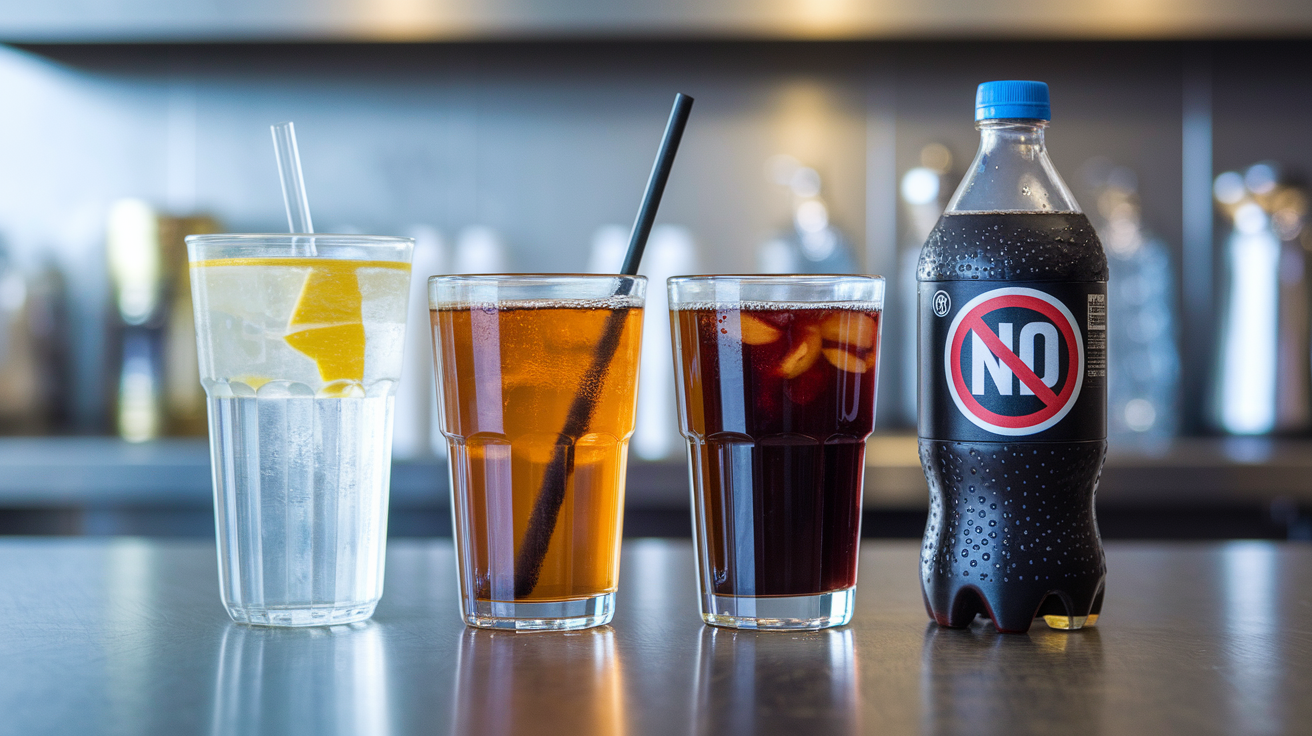
Sugary drinks quietly add 150 to 300 calories or more per meal without filling you up. A 20-ounce regular soda contains about 240 calories and 65 grams of sugar, which is more than the daily recommended limit for added sugars in one cup. Large sodas or sweetened iced teas can push 300 to 400 calories.
Flavored coffees and blended drinks are even worse. A medium flavored latte might be 250 to 400 calories, and a large frozen coffee drink can hit 500 to 600 calories with whipped cream and syrup.
Switching to water, unsweetened iced tea, black coffee, or seltzer saves all those calories and eliminates the sugar spike.
If plain water feels boring, add lemon or ask for a small amount of flavored syrup on the side so you control how much goes in. Unsweetened iced tea has 0 to 5 calories and no added sugar. Black coffee is also calorie-free, and even a small amount of milk or cream only adds 20 to 40 calories compared to 200+ for a sweetened latte.
Diet sodas have no calories but don’t offer hydration benefits or nutrients, so water is still the better default. When you do want a treat drink, choose the smallest size and skip add-ons like whipped cream, extra syrup, or flavor shots.
- Replace regular soda with water or unsweetened tea to save 150 to 300 calories per meal.
- Choose black coffee or coffee with a splash of milk instead of flavored lattes to cut 200 to 400 calories.
- Avoid large or extra-large fountain drinks. Stick to small if you want soda occasionally.
- Skip milkshakes and blended coffee drinks, which often contain 500 to 1,000 calories and 60 to 100 grams sugar.
How to Read Fast-Food Nutrition Labels Quickly
Most chains now display calorie counts on menu boards or have full nutrition facts available on their website or app. Start by checking the serving size. Some items show nutrition per serving but the package contains two servings, so you need to double the numbers if you eat the whole thing.
Look at total calories first, then sodium, saturated fat, and added sugars. If the meal fits within 400 to 700 calories and stays under 800 to 1,000 milligrams of sodium, it’s usually a reasonable choice. Items over 1,000 calories or 1,500 milligrams of sodium should be split, customized, or skipped unless you’re planning lighter meals the rest of the day.
Focus on the metrics that matter most for your goals. If you’re managing blood pressure, prioritize sodium. If you’re watching weight, calories and portion size come first. Saturated fat over 10 grams per meal is a red flag, especially if you eat fast food more than once or twice a week. Added sugars over 20 grams per item usually come from sauces, beverages, or desserts and can be reduced by swapping drinks or asking for less sauce.
Use the mobile app or website before you go if possible. Most chains let you customize items and see updated nutrition facts instantly. If you’re ordering at the counter without access to detailed info, ask the staff for an ingredient list or nutrition pamphlet.
When in doubt, default to grilled protein, extra vegetables, water, and the smallest portion size. That combination almost always keeps you within safe ranges even if you can’t see exact numbers.
| Nutrition Metric | Ideal Range per Meal | Red Flags |
|---|---|---|
| Calories | 400–700 kcal | >800–1,000 kcal for a single entrée or combo |
| Sodium | ≤800–1,000 mg | >1,200 mg, especially in sandwiches, deli meats, or breakfast items |
| Saturated Fat | ≤7–10 g | >10–12 g, common in fried items, cheese-heavy meals, or creamy sauces |
| Added Sugars | <20–25 g | >25 g, often found in large sodas, sweetened coffee drinks, and desserts |
Healthier Breakfast Ordering Strategies at Fast-Food Restaurants
Breakfast items at fast food restaurants tend to be calorie-dense and high in sodium, especially biscuits, breakfast platters, and anything with sausage or bacon. Biscuit sandwiches can range from 450 to 700 calories with 1,000 to 1,500 milligrams of sodium, and full breakfast platters with hash browns, eggs, meat, and toast often hit 800 to 1,200 calories.
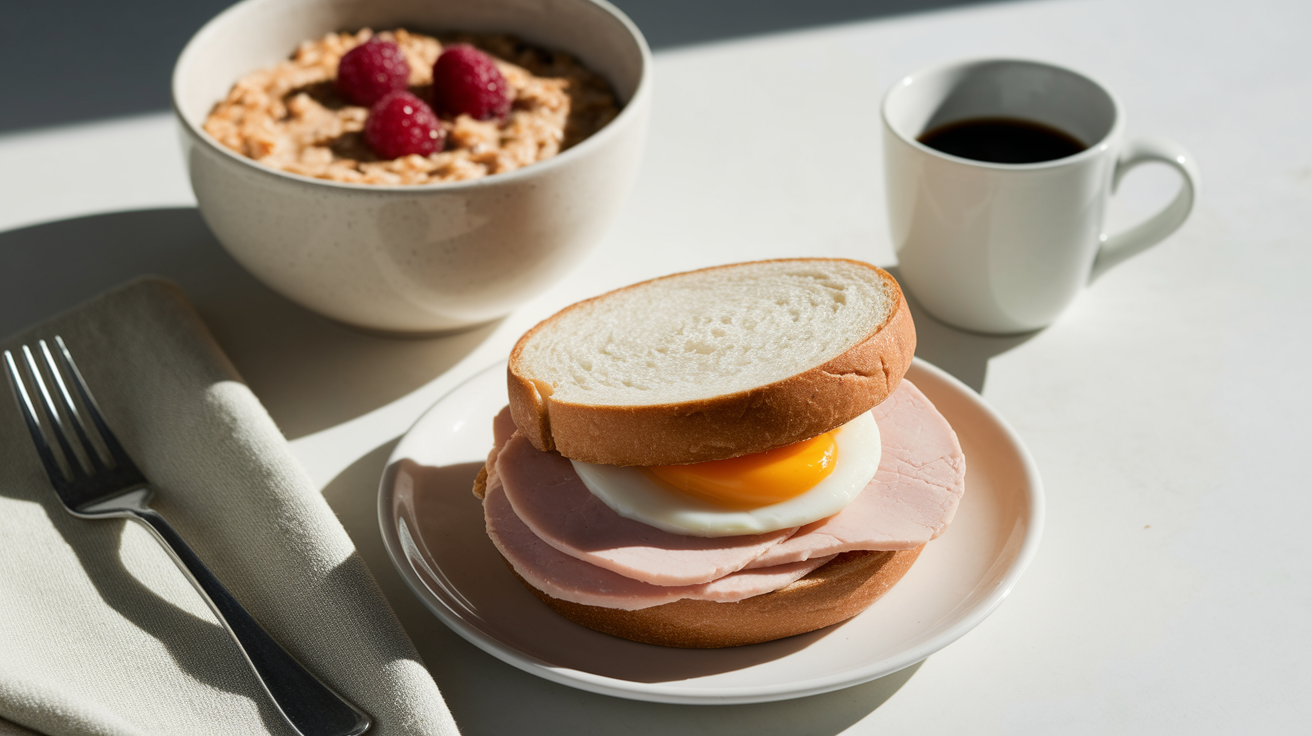
Oatmeal, on the other hand, usually runs 150 to 250 calories and provides fiber. Egg-white sandwiches or wraps on English muffins tend to fall between 250 and 350 calories with 10 to 20 grams of protein, making them a better pick if you want something filling.
Customize breakfast sandwiches by swapping sausage or bacon for egg or a single slice of lean ham, which cuts 100 to 200 calories and several hundred milligrams of sodium. Ask for no cheese or butter if the item already has a sauce. Choose whole-grain English muffins or toast instead of biscuits to save 50 to 150 calories and add a bit of fiber.
Pair your sandwich with black coffee or a small orange juice instead of a large flavored latte or hash browns to keep the total meal under 400 calories.
If the menu offers yogurt parfaits, fresh fruit cups, or oatmeal, those are simple low-calorie options that pair well with coffee. Avoid adding sugary granola or honey packets unless you’ve checked the nutrition. Those toppings can add 100 to 200 calories. Stick to toppings like fresh berries or a small amount of nuts if available.
Breakfast burritos can work if you skip the cheese and sour cream and ask for extra vegetables, but many pre-made versions contain 600 to 900 calories and over 1,500 milligrams of sodium, so check first or build your own if the restaurant allows it.
Diet-Specific Strategies When Ordering Fast Food
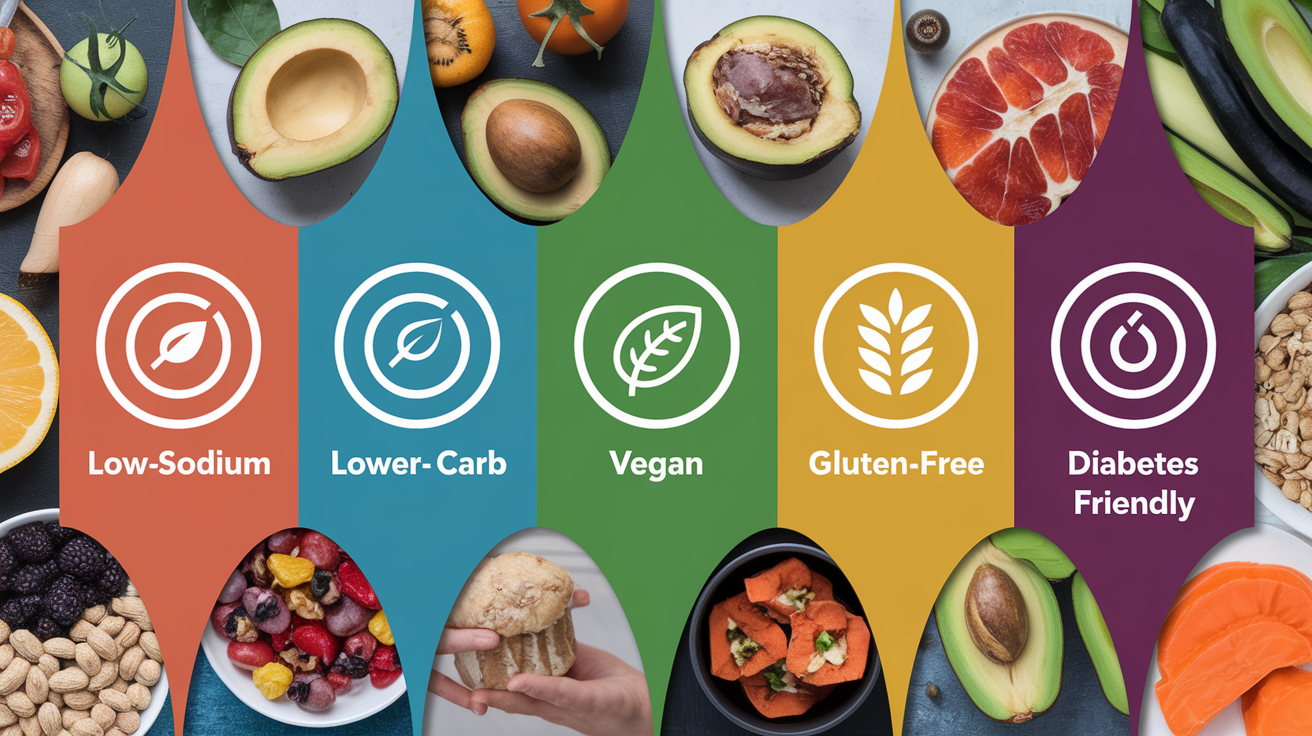
For low-sodium eating, avoid deli meats, cured meats like bacon and sausage, pickles, and heavily sauced items. Choose plain grilled chicken, fish, or beans as your protein and ask for no added salt. Request fresh vegetables as toppings instead of cheese or processed condiments.
Side salads without dressing, fruit cups, and steamed vegetables are all naturally low in sodium. Aim to keep each fast food meal under 500 to 700 milligrams of sodium if you’re managing blood pressure or heart health. This usually means skipping the bread or bun and avoiding combo meals with fries.
Lower-carb strategies focus on removing or reducing bread, rice, tortillas, and starchy sides. Order burgers or sandwiches as lettuce wraps, which saves 150 to 300 calories and cuts most of the refined carbs. Choose bowls without rice or ask for half the usual rice portion and double the vegetables. Grilled proteins with side salads, steamed broccoli, or other non-starchy vegetables keep carbs low while providing volume and nutrients.
Avoid breaded or battered items, sweet sauces, and sugary drinks, which add carbs without much benefit.
For vegan or vegetarian ordering, look for bean bowls, grain bowls with extra vegetables, salads with chickpeas or tofu, and veggie wraps. Skip cheese, sour cream, mayo, and creamy dressings unless you know they’re plant-based. Ask about cooking methods. Some chains cook beans or rice with animal fats, and grills may be shared with meat.
Choose salsa, guacamole, mustard, or oil and vinegar as toppings. Many chains now offer plant-based burger patties or veggie-based proteins, but check the sodium and calorie counts since some processed options are higher than grilled chicken.
Gluten-free tactics require asking for lettuce wraps, bunless burgers, or bowls instead of sandwiches or wraps. Request an ingredient list to verify sauces, dressings, and marinades, which sometimes contain hidden gluten. Avoid fried items unless the restaurant uses a dedicated fryer, since cross-contact is common.
Grilled proteins, fresh vegetables, fruit, and plain rice or beans are usually safe options. Many chains publish allergen menus online that list gluten-free choices.
- Low-sodium: “Grilled chicken, no cheese, no sauce, extra lettuce and tomato, water.”
- Lower-carb: “Burger lettuce wrap, no bun, side salad instead of fries, dressing on the side.”
- Vegan: “Veggie bowl, no cheese, no sour cream, double beans, salsa and guacamole.”
- Gluten-free: “Grilled chicken bowl, no tortilla, rice and beans, fresh veggies.”
- Diabetes-friendly: “Small grilled sandwich, apple slices, unsweetened iced tea, hold the mayo.”
Practical Ordering Scripts and Sample Healthy Fast-Food Meals

Real orders show how the strategies work in practice. A grilled chicken sandwich with no mayo, extra lettuce and tomato, paired with a side salad (no dressing or light vinaigrette on the side) and water typically totals 300 to 500 calories and 600 to 900 milligrams of sodium.
A burrito bowl with brown rice (small portion), black beans, grilled chicken, doubled vegetables, and salsa instead of cheese and sour cream runs about 450 to 650 calories. A breakfast order of an English muffin sandwich with egg whites, one slice of turkey, and an apple slice usually hits around 300 to 400 calories with decent protein.
Two soft tacos with grilled chicken, lettuce, tomato, and salsa (no cheese or crema) come in around 350 to 500 calories total. A six-piece grilled chicken nuggets with a fruit cup and unsweetened iced tea is roughly 250 to 350 calories and works as a lighter lunch or snack.
These examples stay within the 400 to 700 calorie target and keep sodium manageable. Adjusting any one part, like adding cheese back or choosing fried instead of grilled, can push the meal 200 to 400 calories higher. Small choices stack.
Building your order around grilled protein, vegetables, and simple swaps makes it easy to repeat the pattern at almost any chain.
- Grilled chicken sandwich, no mayo, whole-grain bun, side salad with vinaigrette on the side, water (400 to 500 kcal).
- Burrito bowl: half portion brown rice, black beans, grilled chicken, double fajita vegetables, pico de gallo, no cheese or sour cream (500 to 650 kcal).
- English muffin breakfast sandwich with egg whites and turkey, apple slices, black coffee (300 to 400 kcal).
- Two grilled chicken soft tacos, lettuce, tomato, salsa, no cheese (350 to 500 kcal).
- Six-piece grilled nuggets, fruit cup, unsweetened iced tea (250 to 350 kcal).
When you’re at the counter or drive-thru, use short, clear commands so the order is correct the first time. Say “grilled chicken sandwich, no mayo, no cheese, extra lettuce and tomato, side salad instead of fries, dressing on the side, and water.”
If you’re ordering a bowl or customizable item, list what you want included rather than what you don’t. “Brown rice, black beans, grilled chicken, all the vegetables, salsa, no cheese, no sour cream.”
Most staff are used to customization requests and will enter them without issue. If something comes out wrong, politely ask them to remake it. You’re paying for the meal, and small mistakes can add hundreds of unplanned calories.
Final Words
Scan the menu for calories and sodium, pick smaller sizes, and ask for sauces and dressings on the side. This post gave numeric targets (aim 400–700 kcal, sodium under 800–1,000 mg), quick swaps, portion tricks, beverage swaps, and simple ordering scripts.
Next time you order, try one easy change: choose a kids meal or ask for water. I’ve stood in that drive-thru too. Small steps add up.
Use these tips each visit to practice how to choose healthier options at fast food restaurants and feel good about your choice.
FAQ
Q: What is the 3 3 3 rule for eating?
A: The 3 3 3 rule for eating usually means spacing food roughly every three hours—three meals and up to three small snacks—to keep hunger, energy, and portion control steadier through the day.
Q: What are some of the healthiest fast food options?
A: The healthiest fast food options are grilled chicken sandwiches (sauce on side), burrito bowls with extra veggies, lean-protein tacos, fruit cups, and yogurt—aim for 400–700 kcal per meal and under 800–1,000 mg sodium.
Q: Can type 2 diabetics eat fast food?
A: Type 2 diabetics can eat fast food, but should pick smaller portions, favor protein and vegetables, avoid sugary drinks, and limit added sugars to about 20–25 g per meal while watching carbs and sodium.
Q: What is the 70/30 rule in food?
A: The 70/30 rule in food means roughly 70% of intake comes from whole, nutrient-dense foods and 30% from flexible or enjoy-me foods—a simple balance for sustainability and fewer strict rules.

