
Dining OutHow to Spot Added Sugars on Restaurant Menus: Simple...

How to Spot Added Sugars on Restaurant Menus: Simple Detection Tips

-

Think savory entrees can’t hide extra sugar? Think again.
Most menus skip ingredient lists, so those few words are your clue, and this post lays out the quickest signals, words such as glazed, candied, house syrup, and the simple questions to ask servers.
You’ll learn how to scan a menu in seconds, spot high-risk drinks and sauces, and make small swaps that cut added sugar without wrecking the meal.
Read on to stop accidental sugar splurges and keep your plate closer to what you intended.

Key Menu Signals That Reveal Added Sugars in Restaurant Dishes

7NYpWPw4QYOxR78_llhhLg

Most restaurants won’t print ingredient lists or nutrition facts on menus, so the words on the page are usually all you’ve got. And certain words show up over and over when a dish has been sweetened, glazed, or dressed with a sugar-heavy sauce. Once you know these terms, you can scan a menu in seconds and spot the items that’ll blow through your daily limit before you even order.

Words like “glazed,” “candied,” “honey-roasted,” and “caramelised” are dead giveaways that sugar, honey, syrup, or molasses got added somewhere in the cooking process. These techniques concentrate sweetness fast. A simple grilled chicken breast or roasted carrot can turn into a sugar delivery system with the right glaze. Even savory dishes—BBQ ribs, teriyaki chicken, hoisin stir-fry—depend on sauces loaded with added sugars to build that sticky, flavorful finish.

High-risk categories include desserts, specialty coffee drinks, cocktails, pancakes, sweetened yogurts, glazed sides like carrots or sweet potatoes, and appetizers with sweet glazes such as BBQ wings or candied bacon. If a menu item lands in one of these groups and includes any of the terms below, expect added sugar:

  • Glazed (proteins, vegetables, sides)
  • Candied (nuts, bacon, fruit toppings)
  • Caramelised (onions, sauces, desserts)
  • Honey-roasted or honey-baked (chicken, ham, vegetables)
  • Maple (syrup, glaze, dressing)
  • Sticky (ribs, wings, desserts)
  • BBQ or barbecue (sauce, marinade, finish)
  • Teriyaki (marinade, glaze, sauce)
  • Hoisin (sauce, glaze, stir-fry finish)
  • Sweet chili (sauce, glaze, dressing)
  • Balsamic reduction or reduced (concentrated and often sweetened)
  • Fruit compote, marmalade, or preserve (topping, filling, sauce)

Understanding Hidden Sugars in Sauces, Dressings, and Marinades on Menus

YS2KxNOYTY2cnSnuGLpB8w

Sauces and dressings are concentrated sugar sources, and restaurants don’t hold back. They use them generously to boost flavor and build signature dishes. A single tablespoon of BBQ sauce can carry 4 to 10 grams of sugar. Many entrees arrive with several tablespoons pooled on the plate or brushed into the protein during cooking. Because these additions aren’t listed by the gram, a dish that sounds healthy or savory can quietly deliver 15 to 30 grams of added sugar before you finish your meal.

Glazes, marinades, and even salad dressings frequently hide sugar to balance acidity or add shine and caramelization. Teriyaki, hoisin, and sweet chili sauces fall in the 5 to 10 gram per tablespoon range. Balsamic glazes and fruit chutneys can reach 6 to 15 grams per tablespoon. Sweet vinaigrettes, ketchup, and house marinades also contribute sugar in amounts that add up fast when applied liberally during cooking or plating.

Sauce/Dressing Typical Added Sugar Per Tablespoon (g)
Ketchup ~4
BBQ sauce ~4–10
Teriyaki, hoisin, sweet chili ~5–10
Balsamic glaze/reduction ~6–12
Sweet vinaigrettes ~3–7
Fruit chutneys/compotes ~6–15
Marinades & glazes (general) ~4–12

EL5jqYThSYutpEbtaIBHmw

Beverages are the single largest source of added sugar in most diets, accounting for about 36 percent of total intake. Specialty coffee drinks, sodas, sweet teas, smoothies, and cocktails routinely deliver more sugar in one glass than the American Heart Association recommends for an entire day. A 16-ounce flavored latte can contain 20 to 60 grams of added sugar. A milkshake or frappe can push 40 to 90 grams—often more sugar than a slice of cake.

Menu language for drinks often masks sweetness. Watch for terms like “flavored,” “house syrup,” “muddled fruit,” “simple syrup,” “signature blend,” or “sweetened.” Fruit juices sound healthy but can reach 30 grams of sugar per 8 ounces. Many smoothies blend juice concentrate or added syrups with whole fruit. Cocktails frequently include simple syrup, flavored liqueurs, or sweetened mixers unless you ask for them to be left out.

Desserts are obvious sugar sources, but the menu description reveals how much extra sweetness gets layered on. Look for “drizzle,” “reduction,” “compote,” “glaze,” “caramel,” “toffee,” or “fruit sauce.” These additions can add 10 to 30 grams of sugar on top of an already sweet base, turning a moderate dessert into a 50 to 80 gram sugar bomb.

Recognizing Sugar in Savory Dishes and Seemingly Healthy Options

lh3jc2RqQ_SE2k91r1NZqw

Savory proteins and sides often hide significant added sugar in marinades, glazes, and finishing sauces. Glazed salmon or honey-roasted chicken can carry 8 to 30 grams of added sugar per serving. BBQ ribs or wings with sauce easily reach 10 to 40 grams. These dishes don’t taste like dessert, but the sugar content rivals or exceeds what you’d find in a slice of pie.

Items marketed as healthy or light can be just as deceptive. Sweetened yogurts and parfaits often contain around 7 teaspoons or 29 grams of added sugar. Granola mixes include honey or syrups to bind and sweeten. Fruit-based vinaigrettes add sugar to balance tartness. Low-fat or reduced-fat menu items replace lost richness with sweetness, so a low-fat dressing or yogurt can deliver more added sugar than the full-fat version. Breads, rolls, and sandwich buns also sometimes contain added sugar to improve texture and browning.

  • Glazed salmon or honey-roasted chicken: 8–30 g added sugar per serving
  • BBQ ribs or wings with sauce: 10–40 g added sugar per serving
  • Sweetened yogurt or parfait: ~29 g added sugar per serving
  • Granola (bowl or topping): often 10–20 g added sugar per serving
  • Fruit vinaigrettes and dressings: 3–7 g per tablespoon, often applied heavily
  • Coleslaw or BBQ side salads: 5–15 g added sugar per serving from dressing
  • Bread, rolls, or sandwich buns: 1–4 g added sugar per piece (varies widely)
  • Teriyaki or hoisin stir-fry: 10–30 g added sugar per entrée depending on sauce volume

How to Ask Servers About Added Sugars in Menu Items

k13fb1AbTPeQHYLXvf3bWw

Short, direct questions get you the clearest answers about what’s in a dish and whether sugar has been added. Servers handle ingredient questions regularly. A specific request about sweeteners is faster and more useful than asking general health or nutrition questions. Most kitchens can confirm whether a sauce or marinade contains sugar, honey, syrup, or fruit purée, and many are willing to modify the dish if you ask.

  1. “Is the sauce or glaze sweetened with sugar, honey, or syrup?”
  2. “Can the sauce or dressing be served on the side?”
  3. “Can you prepare this without the glaze or caramelisation?”
  4. “What’s in the marinade? Any added sugar, honey, syrup, or fruit purée?”
  5. “Can you swap the sweet dressing for oil and vinegar or plain olive oil?”

Practical Modifications to Reduce Added Sugar When Ordering
nfGbSNePSwSg7qrAZykN8g

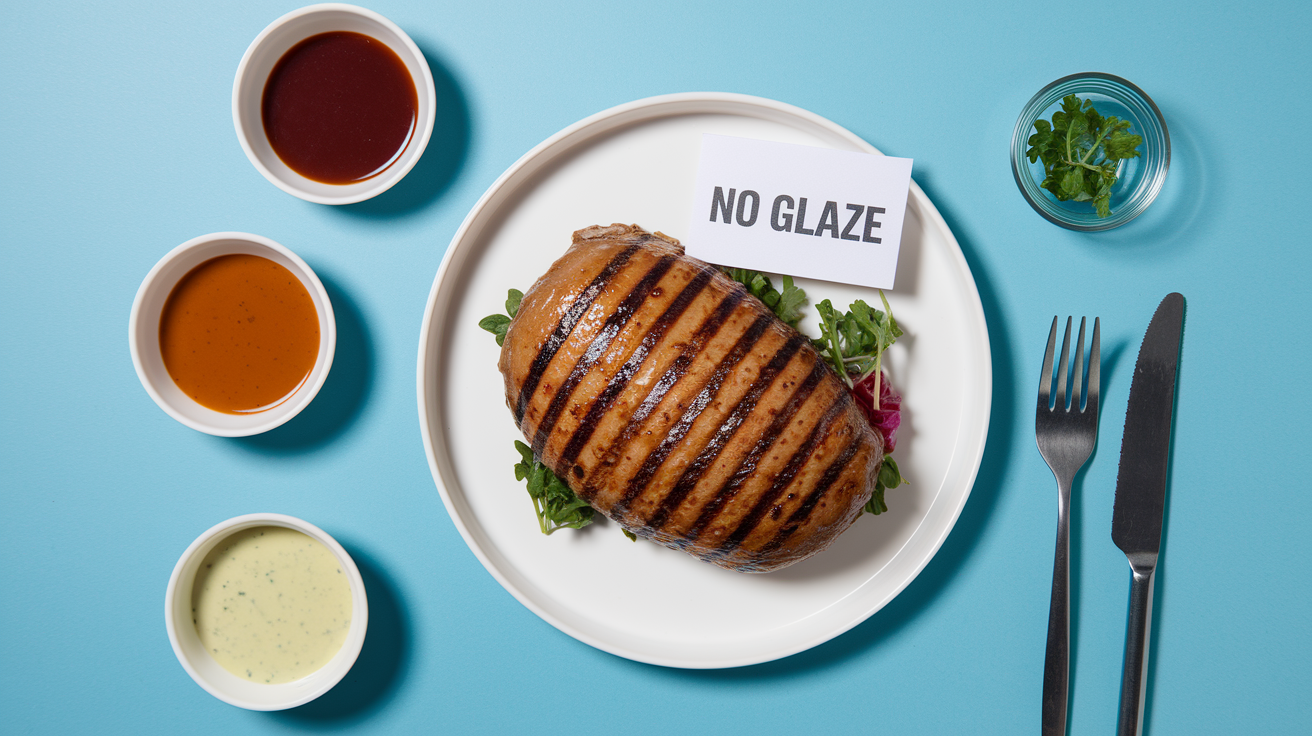
Small changes to how a dish is prepared or served can cut added sugar by half or eliminate it entirely without losing flavor or satisfaction. Asking for sauces and dressings on the side gives you control over how much you use. One teaspoon of sauce is about 4.2 grams of sugar, and one tablespoon is about 12.6 grams, so even a little restraint makes a difference. Requesting that a protein be grilled or roasted plain instead of glazed removes the concentrated sugar coating. Swapping sweet sides for steamed vegetables or a simple salad keeps the meal balanced.

Portion control works especially well with desserts and sauces, where sugar is concentrated. Splitting a dessert cuts your intake in half. Ordering a half-portion of sauce or asking the kitchen to go light on the glaze reduces sugar without requiring you to skip the dish entirely. Breakfast is another high-risk meal where small swaps add up. Choosing plain yogurt and fruit instead of granola or requesting syrup on the side for pancakes lets you control the amount instead of soaking through pre-sweetened stacks.

  • Ask for sauces, dressings, and glazes on the side. Use one teaspoon (~4.2 g sugar) or one tablespoon (~12.6 g) if needed.
  • Request “no glaze,” “no caramelisation,” or “no honey/maple drizzle” when ordering proteins or sides.
  • Substitute grilled, roasted, or steamed preparations instead of glazed, sticky, or honey-roasted.
  • Swap sweet sides (glazed carrots, candied yams) for plain vegetables, side salad with dressing on the side, or fresh fruit.
  • For breakfast, ask for plain unsweetened yogurt, whole fruit, and eggs. Request syrup on the side or half the usual amount.
  • Choose unsweetened iced tea, black coffee, sparkling water, or request “no syrup” in espresso drinks.
  • Order spirits with soda and fresh lime instead of sweetened mixers. Ask for “no simple syrup” in cocktails.
  • Split desserts or order a half-portion to cut typical sugar intake in half.
  • Request plain oil and vinegar or lemon on the side instead of house dressings.
  • Ask for no candied nuts, fruit compote, or sweet toppings. Add extra vegetables or a plain protein portion instead.

A Quick Menu Checklist to Spot Added Sugars Instantly
b_bcsFMRSVuCIeFff9hCxg

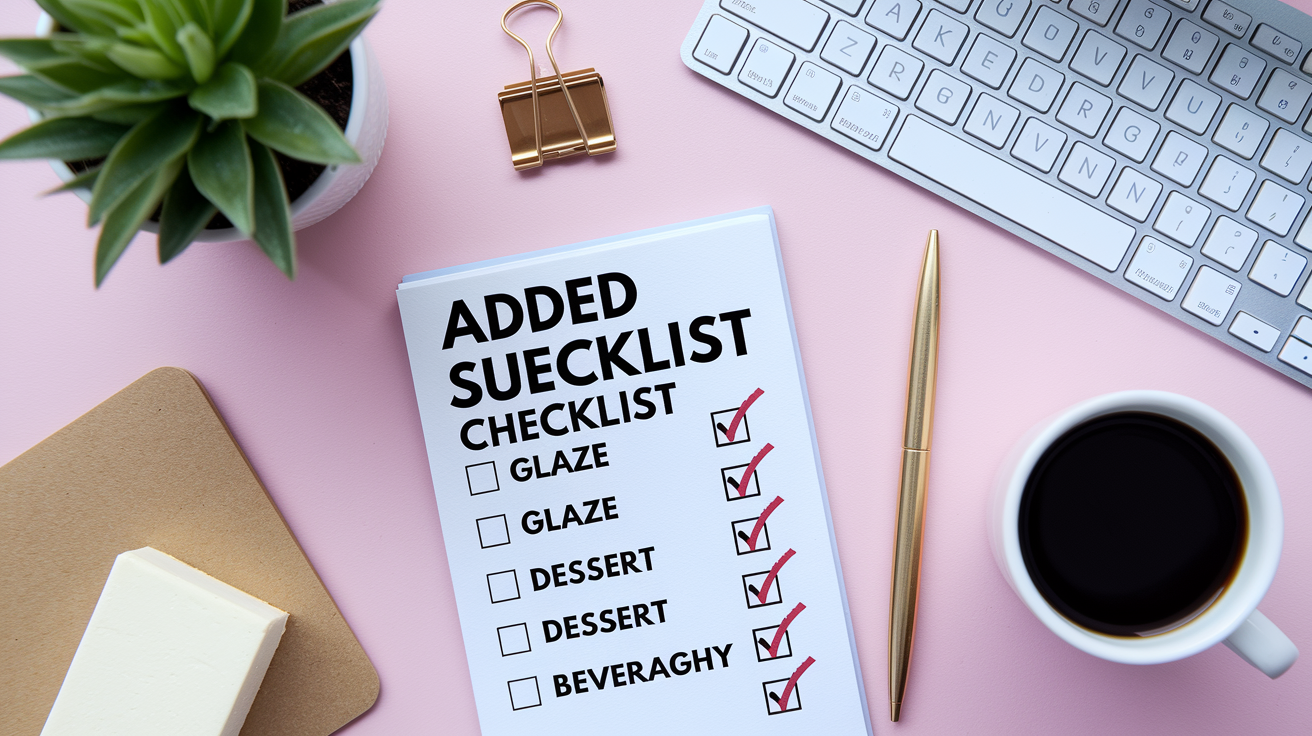
A short checklist helps you scan any menu quickly without memorizing dozens of ingredient names or dish types. These rules combine the most reliable signals (menu language, high-risk categories, and simple questions) into a decision tool you can use in under a minute while sitting at the table.

  • Does the dish description include glazed, candied, honey-, maple-, syrup, sticky, BBQ, teriyaki, hoisin, sweet chili, caramelised, compote, reduction, or marmalade?
  • Is the item a dessert, specialty coffee drink, smoothie, cocktail, or flavored beverage?
  • Is the item labeled low-fat, reduced-fat, or light? (Often indicates added sugar to replace lost flavor.)
  • Does the dish come with a sauce, dressing, or marinade that you can request on the side?
  • Is the item a breakfast dish with pancakes, waffles, French toast, granola, or sweetened yogurt?
  • Can you ask the server whether the sauce, glaze, or dressing contains sugar, honey, syrup, or fruit purée?
  • Is the protein or side described as roasted, grilled, or steamed without sweet descriptors? (Lower risk.)
  • Can you substitute a sweet side for plain vegetables, salad with dressing on the side, or fresh fruit?
  • Does the menu offer an unsweetened beverage option like water, unsweetened iced tea, black coffee, or sparkling water?
  • Can you request a half-portion of sauce, share a dessert, or skip the sweet topping to cut sugar without eliminating the dish?

Final Words

You can now scan a menu fast: flag words like glazed, caramelized, syrupy; watch sauces, dressings, drinks, and desserts as the usual sugar culprits.

Use the exact server questions and simple swaps: sauce on the side, pick grilled over glazed, ask for no glaze, swap plain yogurt or fruit. Small changes cut a lot of added sugar without killing the taste.

If you want a quick habit, follow the checklist and practice how to spot added sugars on restaurant menus. Little moves. Big payoff.

FAQ

Q: How do I identify added sugars on food labels?

A: Identifying added sugars on food labels means checking the Nutrition Facts “Added Sugars” line (if present) and scanning the ingredient list for sugar words like sucrose, corn syrup, high-fructose corn syrup, honey, syrup, or fruit juice concentrate.

Latest news

Trusted Legal Animation Service: A Smarter Way to Present Complex Evidence

Legal cases often involve complicated facts that can be challenging to explain through documents and testimony alone. From accident...

10 Healthy Eating Habits That Can Improve Your Overall Well-Being

Healthy eating is one of the most effective ways to improve your physical health, boost energy levels, and reduce...

Patent Royalty Rates: What Different Industries Actually Pay

Royalty rates vary widely by industry, and the courts rejected the old 25 percent rule of thumb. What sets a defensible rate.

Yeast Infection Causes, Symptoms, and Home Remedies

I've felt the sudden worry when something in my body changes — the itch, the odd discharge, the question of what to do next. Many people in the United States face this kind of uncertainty about vaginal health. It can feel private and stressful, yet it's very common. The vagina is a balanced ecosystem of cells, helpful bacteria, and occasional fungi. When that balance shifts, unusual discharge, itching, or burning may follow. Knowing the basics helps you act with confidence and care. If symptoms persist or you’re unsure, consult a healthcare provider to get a clear diagnosis and proper treatment. For more on overlapping conditions and how they differ, see this helpful resource on coexisting conditions here. Key Takeaways Vaginal symptoms often signal a disrupted balance of microbes and need attention. Most women will face at least one vaginal condition in their lifetime. Home care can help, but persistent or severe symptoms require professional evaluation. Distinguish this condition from other infections to ensure the right treatment. Pay attention to discharge, itching, and burning as early warning signs. Understanding the Basics of a Yeast Infection Understanding the balance between microbes and fungi is the first step to better vaginal health. "The vagina hosts a delicate balance of microbes, bacteria, and yeast living in harmony," says Dr. Taniqua Miller, a board-certified ob-gyn. — Dr. Taniqua Miller What is Candida Candida albicans is the fungus behind most cases of vaginal candidiasis. It normally lives quietly with other organisms. When the environment shifts, Candida can multiply and cause uncomfortable symptoms. Hormonal changes, antibiotics, and some medications can trigger that change. The Role of Vaginal Flora Healthy bacteria keep the vagina's pH balanced. That balance helps prevent other harmful microbes from growing out of control. A normal vaginal discharge is usually clear or white. Changes in color, smell, or texture often signal that care or a check with a provider is needed. Most women will experience at least one episode in their life. Maintaining bacteria balance supports long-term vaginal health and lowers the chance of recurrent vaginal yeast infections. Common Symptoms to Watch For Noticing new soreness, unusual discharge, or intense itching can be an early sign that your vaginal health needs attention. Typical signs include a thick, white, cottage cheese-like discharge and strong itching or burning in the vaginal area. Unlike bacterial problems, this condition usually does not produce a strong odor. Pain with urination or sex may also occur and should be discussed with your provider. "Yeast infections generally do not have a fishy smell, which helps separate them from bacterial causes," says Dr. Taniqua Miller. Distinguishing from other infections Because symptoms overlap with sexually transmitted and other infections, a pelvic exam and testing of vaginal discharge are common steps a provider will take. SignVaginal yeastBacterial vaginosisSexually transmittedDischargeThick, whiteThin, grayVaries; may be unusualOdorOften noneFishyMay have odorItching / burningIntenseLess intenseCan be presentRecommended actionTest by providerLab testsSTD panel Tip: If you are a woman experiencing these symptoms for the first time, seek professional diagnosis to rule out other causes and get the right treatment. Why Yeast Infections Occur Several common health changes make the vagina less able to keep microbes in check. What shifts the balance? High blood sugar from diabetes and a weakened immune system let the fungus Candida albicans grow faster. Taking antibiotics can kill helpful bacteria, giving the fungus room to expand and cause a vaginal yeast infection. Hormonal changes, obesity, certain sprays, and a poor diet also raise risk. Pay attention to any change in vaginal discharge — it can be an early clue that the microbial balance is off. TriggerHow it helps growthSimple preventive stepDiabetesHigher sugar fuels fungal growthControl blood glucose; discuss with providerAntibioticsReduces protective bacteriaAsk about probiotics or watch for symptomsHormones / lifestyleAlters pH and moistureChoose breathable clothes; avoid sprays Talk with a provider if you have recurrent episodes or chronic conditions. Understanding triggers is the first step toward better vaginal health and targeted treatment. When to See a Healthcare Provider When symptoms linger despite over-the-counter treatment, professional evaluation becomes important. Contact a provider if your symptoms do not improve within 72 hours of starting self-care or an OTC treatment. This helps avoid treating the wrong condition and reduces unnecessary discomfort. Women who are pregnant or who have never had a yeast infection before should always consult a clinician before using any medication. A provider can perform a pelvic exam and tests to confirm the cause and rule out other serious conditions. Seek immediate care if you have fever, severe pelvic pain, or worsening symptoms. People with weakened immune systems or those who get recurrent infections need tailored care to manage vaginal health effectively. Call your provider if home care fails within 72 hours. Report new or severe symptoms right away. Schedule regular check-ups to maintain women health and prevent repeat episodes. "Proper diagnosis is essential — treating the wrong condition can prolong symptoms," When in doubt, seek care. Your provider can offer personalized advice on treatment, prevention, and follow-up to protect your vagina and overall health. Over the Counter Treatment Options OTC antifungal choices offer convenience, yet not every product suits every case. Choosing the Right Cream Miconazole-based creams and suppositories work well for many people with a mild vaginal yeast issue. Choose a delivery you can use easily at home—topical creams or suppositories both reach the affected area. Dr. Taniqua Miller often recommends a 7-day course. A longer, gentler regimen may reduce irritation compared with 1- or 3-day options. Importance of Completing Treatment Finish the full course even if symptoms ease. Stopping early can let the problem return. Avoid scented products and douching while you treat the area. These can disrupt healing and worsen discharge or itching. If you are taking antibiotics, your provider may suggest preventive antifungal care to lower the chance of a new episode. "Completing a full course helps clear the problem and lowers the risk of recurrence," says Dr. Taniqua Miller. When to see a provider: severe itching burning, worsening symptoms, or no improvement after treatment. Prescription options include oral fluconazole or topical alternatives when OTC treatments fail. Lifestyle Changes for Better Vaginal Health Small daily habits can make a big difference in keeping the vaginal area healthy. Choosing breathable fabrics Wear loose cotton underwear to let the area breathe and reduce moisture build-up. Cotton underwear absorbs sweat and lowers the warm, damp environment that helps yeast grow. Swap wet swimwear or gym clothes quickly after exercise. Staying dry is one of the simplest ways to help control recurring problems. Hygiene practices Keep the external genital area clean and dry with gentle water and mild soap. Avoid douching and harsh scented products that disrupt natural bacteria and pH. Limit sex during an active episode to prevent extra irritation and let treatment work. If you are taking antibiotics, talk with your provider about preventive steps to lower risk. Dietary adjustments Include yogurt with live and active cultures to support healthy bacteria. Small diet shifts can help balance microbes and support recovery alongside medical treatment. For fast guidance on symptom control, see this quick 24-hour guide. Managing Recurrent Infections Recurrent vulvovaginal candidiasis is defined as four or more episodes in a single year. If you meet that threshold, your provider will suggest testing for underlying conditions such as diabetes or HIV that raise risk. Dr. Taniqua Miller notes that some people are more prone and need a long-term plan. That may include suppression treatment—regular doses of medications over several months—to help prevent future outbreaks. People with a weakened immune system often need adjusted care and closer follow-up. Watch for persistent redness, itching, or abnormal discharge, and report these symptoms promptly to your provider. Management usually blends lifestyle changes, consistent medications, and regular check-ins. Rule out other conditions that can mimic symptoms so you get proper treatments. "A tailored suppression plan and ongoing support give the best chance to regain control," says Dr. Taniqua Miller. Avoid sex until healed, follow your provider’s plan, and stay proactive. This combined approach helps people control recurrent vaginal yeast infections and reduces future risk. Debunking Myths About Transmission Not all uncomfortable vaginal changes are passed between partners; most come from internal shifts. Fact: Most cases are not considered sexually transmitted. Vaginal episodes usually reflect a change in the local balance of microbes rather than direct transmission during sex. While sex can introduce new bacteria and alter vaginal pH, it is not the primary cause for most people. Partners rarely need treatment unless symptoms appear. If a male partner develops redness or irritation consistent with balanitis, topical antifungal cream may help. Avoid sex while you treat the area to reduce discomfort and let medication work. "Understanding true modes of transmission helps reduce unnecessary worry and stigma." New research shows partners can carry bacteria linked to bacterial vaginosis, a different condition. If you’re worried, consult your provider—especially with a new partner or unusual symptoms. If diagnosed with a sexually transmitted condition, partner testing and treatment are essential to prevent reinfection. Conclusion Taking charge of your vaginal health helps you prevent minor issues from becoming persistent problems. Small habits and attention to symptoms make a big difference. Ready actions and simple self-care are effective first steps. If symptoms continue, contact your provider. Most women will face a yeast infection at some point, and many cases respond to home care. If you are unsure, skip main content searches and ask a clinician for testing and clear guidance. Prioritize women health by staying informed and keeping regular care with your provider. With the right support and steps, you can manage symptoms, prevent recurrence, and regain comfort and confidence in your overall health. FAQ What causes a vaginal Candida overgrowth? A fungus called Candida can grow too much when the balance of microbes in the vagina changes. Common triggers include recent antibiotic use, elevated blood sugar from diabetes, pregnancy, hormonal changes from birth control, and a weakened immune system. Tight or non-breathable underwear and prolonged dampness in the area can also encourage growth. How can I tell if symptoms are due to Candida or another problem? Classic signs include itching, burning, and thick, white discharge that looks like cottage cheese. Redness and soreness are common too. Bacterial infections or sexually transmitted infections often cause different discharge, a strong odor, or pelvic pain. If symptoms are unusual, severe, or come with fever, see a provider for testing. Are over-the-counter creams and suppositories effective? Yes, many topical antifungal creams and vaginal suppositories from brands like Monistat work well for uncomplicated cases. Choosing a product with proven antifungal ingredients helps. Follow the full course of treatment to reduce recurrence, even if symptoms ease early. When should I contact a healthcare provider? See a provider if it's your first episode, symptoms are severe, you have more than four episodes a year, or if you have diabetes, are pregnant, or immunocompromised. Also seek care if over-the-counter treatment fails or symptoms return shortly after finishing therapy. What home measures help prevent future episodes? Wear breathable cotton underwear, avoid tight pants for long periods, and change out of wet swimsuits or sweaty workout clothes quickly. Maintain good genital hygiene by washing with plain water and mild soap. Managing blood sugar and using antibiotics only when necessary also reduce risk. Can diet affect risk and management? Some people find cutting back on high-sugar foods and refined carbs helps, since excess sugar can feed fungal growth. Including fermented foods or a probiotic supplement may support healthy vaginal flora, but evidence varies. Discuss diet changes with your healthcare provider. Are recurrent episodes common and how are they managed? Recurrent episodes affect some people. Providers may prescribe a longer antifungal regimen or maintenance therapy. They’ll also check for underlying causes like uncontrolled diabetes or other health conditions that can weaken immune defenses. Can sexual activity cause or spread Candida? Candida is not classically a sexually transmitted disease, but intercourse can irritate the area and sometimes transfer the organism between partners. Using condoms, avoiding sex during active symptoms, and treating affected partners when recommended can help control spread. Do probiotics or yogurt help treat an active episode? Probiotics and plain yogurt with live cultures may support balancing the vaginal ecosystem but are not a reliable replacement for antifungal medication during an active episode. They can be a helpful adjunct therapy for prevention in some people. How long does it take for treatment to work? Many topical treatments relieve itching and burning within a few days, with full resolution in one to two weeks depending on the product. Oral prescription options like fluconazole can work within 1–3 days, but complete healing may take longer. Always finish the prescribed course.

The Hidden Costs of Personal Injuries in Orlando and How Victims Can Recover

Personal injuries in Orlando can create hidden costs beyond emergency bills, including follow-up care, therapy, lost wages, reduced earning capacity, transportation, home help, property...

4 Portable Wheelchair Mistakes Families Make Before a Parent’s First Purchase

Key Takeaways Match the portable wheelchair to real use before buying—short clinic trips, long family outings, and air travel usually...

Must read

You might also likeRELATED
Recommended to you