

What if the easiest way to steady your blood sugar is already on your plate?
Fiber slows how fast carbs turn into glucose, cuts sharp spikes, and keeps energy steady.
This post shows which vegetables, fruits, grains, legumes, nuts, and seeds do the most work, explains why soluble and insoluble fiber matter, and gives simple swaps you can use at breakfast, lunch, and dinner.
No gimmicks, just practical moves that lower post-meal spikes and help you feel fuller longer.
How Fiber Works to Control Blood Sugar
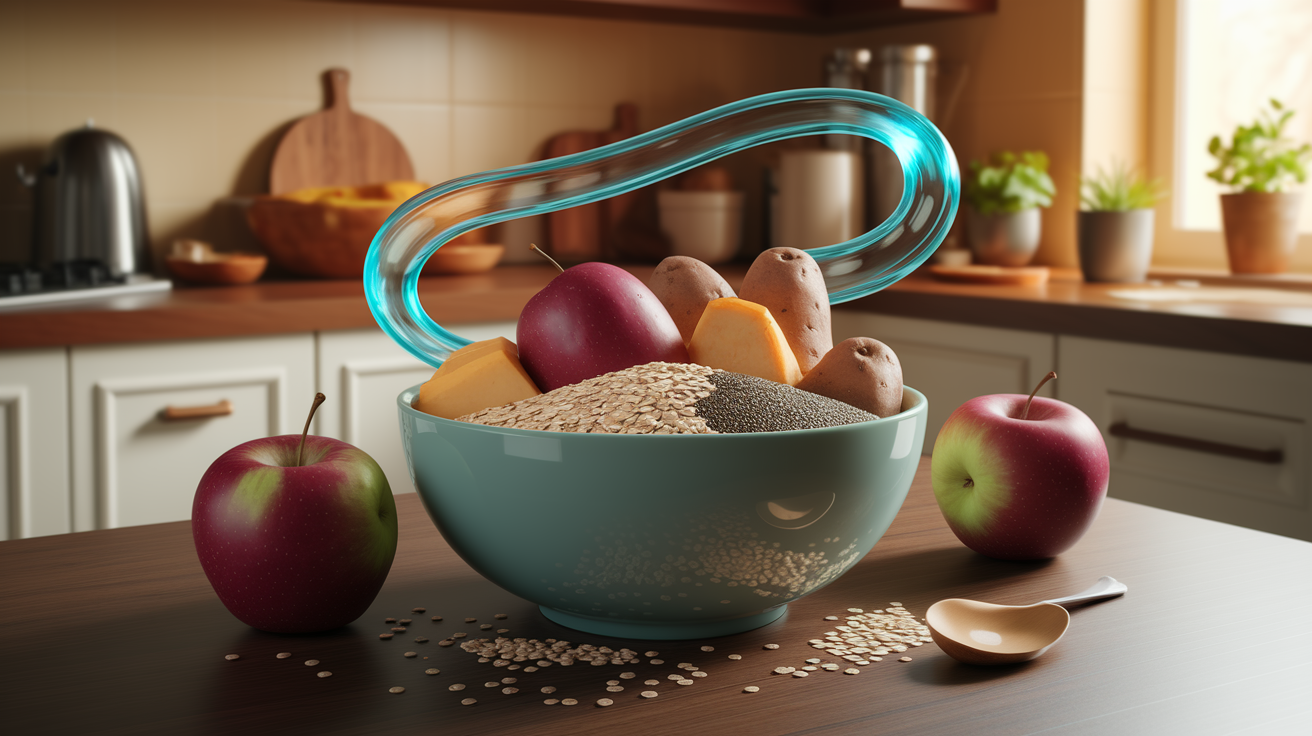
Fiber is a plant-based complex carbohydrate your body can’t fully digest. That’s the whole point. Unlike refined starches or simple sugars that break down quickly and flood your bloodstream with glucose, fiber moves through your digestive system slowly, or not at all. That slower pace changes how your body handles the carbohydrates in your meal.
There are two types of fiber, and they work in different ways.
Soluble fiber dissolves in water and forms a thick gel in your stomach and small intestine. This gel physically slows down the digestion of carbohydrates and delays the release of glucose into your bloodstream. When glucose trickles in gradually instead of spiking all at once, your pancreas doesn’t have to dump a massive surge of insulin, and your cells get a steadier supply of fuel. Foods high in soluble fiber include oats, barley, lentils, black beans, chickpeas, apples, oranges, carrots, and sweet potatoes with the skin on.
Insoluble fiber doesn’t dissolve. It passes through your digestive tract mostly intact, adding bulk to stool and speeding up the movement of food through your gut. Faster transit can mean less time for glucose absorption in some cases, and research shows insoluble fiber improves insulin sensitivity. That’s the measure of how well your cells respond to insulin. You’ll find insoluble fiber in whole wheat, brown rice, almonds, chia seeds, flaxseeds, broccoli, cauliflower, kale, green beans, raspberries, and air-popped popcorn.
Many whole foods contain both types. Navy beans deliver 19 grams of fiber per cooked cup, a mix of soluble and insoluble. A medium avocado gives you 10 grams of both kinds. Split peas, edamame, quinoa, artichokes, and blackberries all offer a combination that hits multiple metabolic targets at once.
The practical effect is this: when you eat a meal built around high-fiber foods, your blood sugar climbs more slowly, peaks lower, and comes down more gently. You skip the sharp post-meal spike and the energy crash that usually follows. That pattern, repeated meal after meal, translates into better overall glucose control, lower HbA1c over time, and a reduced risk of progressing from prediabetes to type 2 diabetes.
Fiber also keeps you full longer. That gel in your stomach takes up space and sends satiety signals to your brain. When you feel satisfied after a meal, you’re less likely to snack on high-sugar foods an hour later, which keeps your glucose more stable throughout the day. Over weeks and months, that sustained fullness can support gradual weight loss. Even modest weight loss improves insulin sensitivity in most people.
Beyond glucose, fiber lowers the absorption of some dietary fats and cholesterol. High-fiber diets are linked to better lipid profiles, lower triglycerides, and less cardiovascular risk, all of which matter when managing diabetes or prediabetes.
Clinical Evidence and Metabolic Benefits

Studies consistently show that high-fiber diets reduce the risk of developing type 2 diabetes and improve glycemic control in people who already have it. In controlled trials, participants who increased their fiber intake saw measurable reductions in HbA1c, the three-month average of blood glucose levels. Those reductions weren’t dramatic for most people, but they were real, and they happened without medication changes.
Soluble fiber also improves insulin sensitivity. When your muscle and liver cells respond better to insulin, they pull glucose out of your bloodstream more efficiently. That lowers fasting glucose and post-meal spikes. Improved insulin sensitivity is one of the most reliable predictors of long-term metabolic health. Fiber is one of the easiest dietary levers you can pull to move that number.
Fiber supports gut health, and your gut microbiome influences how your body handles energy and stores fat. Certain types of soluble fiber act as prebiotics, feeding beneficial bacteria that produce short-chain fatty acids. These fatty acids play a role in glucose metabolism and inflammation control, both relevant for diabetes management.
Cholesterol improvements are another consistent finding. High-fiber diets lower LDL cholesterol and total cholesterol in many people, which reduces cardiovascular disease risk. Since heart disease is the leading cause of death among people with diabetes, any diet change that protects your arteries and stabilizes your blood sugar at the same time is worth the effort.
Fiber also promotes sustained energy. When glucose enters your bloodstream gradually, you avoid the rapid rise and fall that leaves you tired, irritable, or hungry again an hour after eating. Steady energy makes it easier to stay active. Post-meal activity, even a short walk, further improves glucose uptake by your muscles.
More than 90 percent of Americans eat less fiber than recommended. The gap is especially wide among men. Current Dietary Guidelines suggest 22 to 28 grams per day for women and 28 to 34 grams for men, but many nutrition experts recommend aiming for 30 to 50 grams daily for optimal metabolic benefits. The median American intake hovers around 15 grams, so most people would need to roughly double their current consumption to hit even the lower end of the target range.
Clinical outcomes improve when people do. Higher fiber intake is associated with lower body weight, smaller waist circumference, better fasting glucose, and reduced markers of inflammation. These aren’t abstract lab numbers. They translate into fewer diabetes complications, less medication, and better day-to-day function.
Recommended Daily Fiber Intake and How to Increase It Safely
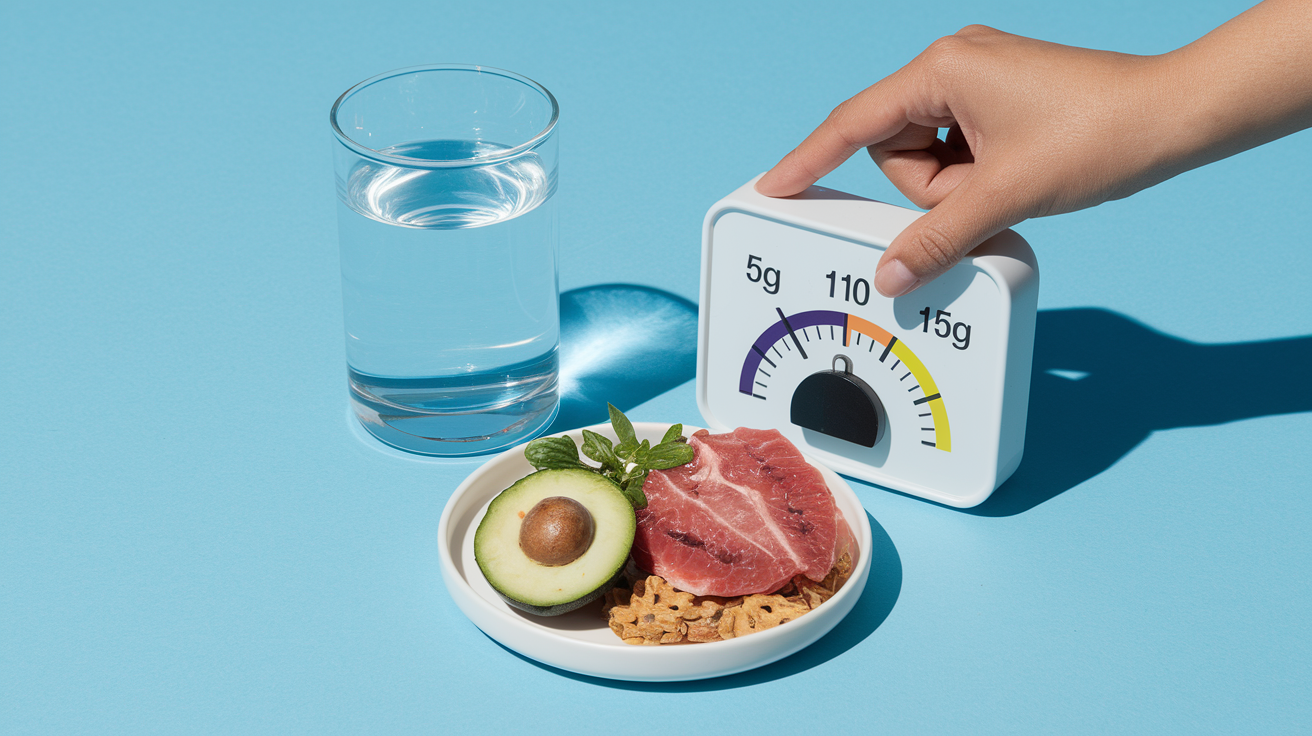
The specific daily fiber targets vary slightly by age and sex, according to the CDC and the 2020 to 2025 Dietary Guidelines for Americans.
| Age and Sex | Recommended Daily Fiber (grams) |
|---|---|
| Females 19–30 | 28 |
| Females 31–50 | 25 |
| Females 50+ | 22 |
| Males 19–30 | 34 |
| Males 31–50 | 31 |
| Males 51+ | 28 |
If you’re managing diabetes, prediabetes, or insulin resistance, aiming toward the higher end of these ranges or even pushing into the 30 to 50 gram zone can offer additional metabolic benefits. But you can’t jump from 10 grams today to 35 grams tomorrow without consequences.
Increase your fiber intake gradually. Add about 5 grams per day each week until you reach your target. If you currently eat around 15 grams, move to 20 grams for a week, then 25 the next week, and so on. This slow ramp gives your gut bacteria time to adjust and reduces the chance of bloating, gas, or constipation.
Drink more water as you increase fiber. Fiber absorbs water in your digestive tract, and without enough fluid, it can slow down transit and leave you constipated instead of regular. Aim for at least eight cups of water daily, more if you’re active or live in a hot climate.
A practical meal-level goal is roughly 10 grams of fiber per meal (breakfast, lunch, and dinner), which gets you to 30 grams before you add any snacks. That framework makes it easier to plan plates without doing mental math every time you eat.
If you take glucose-lowering medications or insulin, talk to your healthcare provider before making large changes to your fiber intake. Fiber can lower post-meal blood sugar. If your medication dose stays the same while your diet improves, you risk hypoglycemia. Your doctor may need to adjust your prescriptions as your glucose control improves.
Watch for warning signs during the transition. Mild gas and bloating are normal in the first week or two. Severe cramping, persistent constipation, or diarrhea mean you’ve increased fiber too quickly or aren’t drinking enough water. Scale back, hydrate, and ramp up more slowly.
Once you reach your target intake, you can relax. You don’t need to track fiber grams forever. After a few weeks of intentional meal planning, you’ll know which foods and portion sizes consistently hit your goal, and you can build those into your regular rotation.
High-Fiber Vegetables, Fruits, Whole Grains, Legumes, Nuts, and Seeds
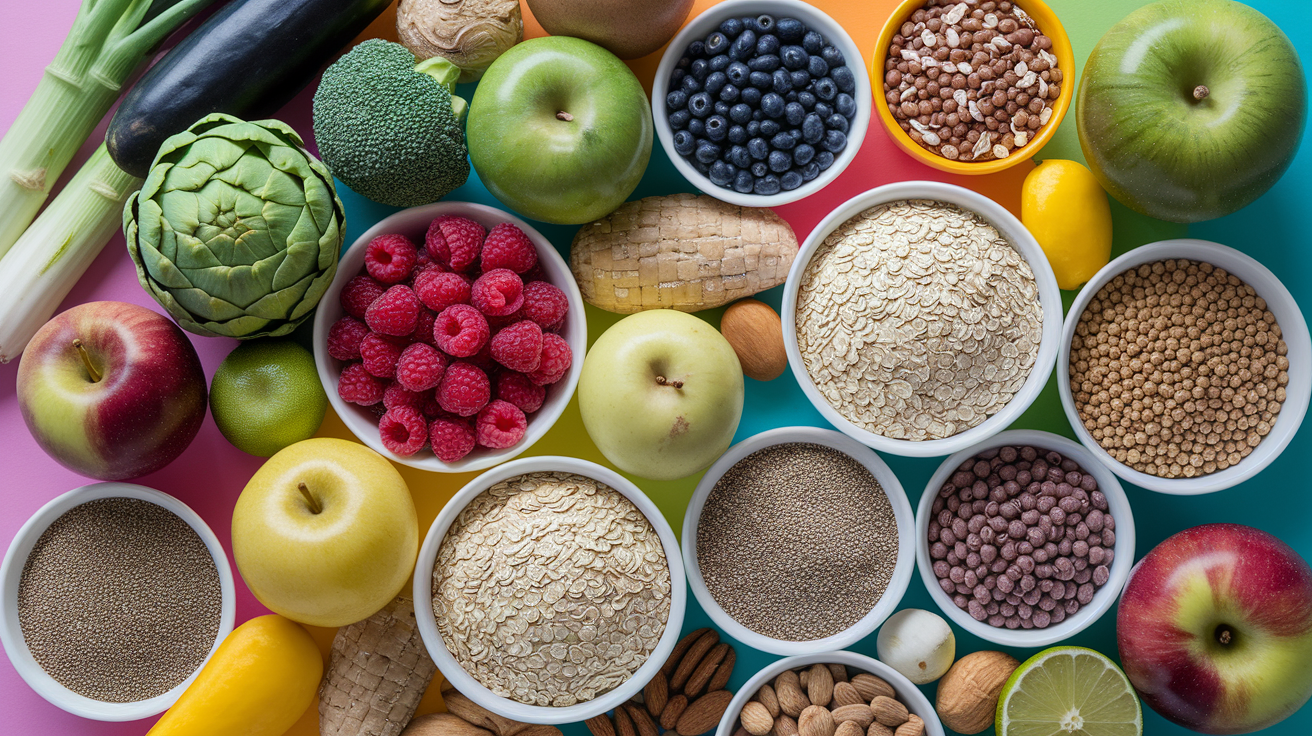
The following lists show high-fiber foods organized by category, with fiber counts per typical serving. Use these as a reference when building meals or making grocery swaps.
Vegetables
- Artichoke (cooked): 7 grams per medium artichoke
- Brussels sprouts (cooked): 4 grams per cup
- Broccoli (cooked): 5 grams per cup
- Carrots (cooked): 4 grams per cup
- Cauliflower (cooked): 2.5 grams per cup
- Green beans (cooked): 4 grams per cup
- Green peas (cooked): 9 grams per cup
- Kale (raw, chopped): 2.5 grams per cup
- Spinach (cooked): contributes fiber in mixed dishes
- Sweet potato (with skin, cooked): 4 grams per medium potato
Fruits
- Apples (with skin): 4.5 grams per medium apple
- Avocado: 10 grams per medium avocado
- Bananas: 3 grams per medium banana
- Blackberries: 7.6 grams per cup
- Figs (dried): 4 grams per two medium figs
- Oranges: 3 grams per medium orange
- Pears (with skin): 6 grams per medium pear
- Pineapple: contributes to fiber in smoothies and recipes
- Raspberries: 8 grams per cup
- Blueberries: 4 grams per cup
Whole Grains
- Oats (cooked): 4 grams per cup
- Barley (cooked): 6 grams per cup
- Brown rice (cooked): 3.5 grams per cup
- Quinoa (cooked): 5 grams per cup
- Whole wheat bread: 2 grams per slice
- Popcorn (air-popped): 4 grams per 3-cup serving
Legumes and Pulses
- Navy beans (cooked): 19 grams per cup
- Split peas (cooked): 16 grams per cup
- Lentils (cooked): 15 grams per cup
- Black beans (cooked): 15 grams per cup
- Chickpeas (cooked): 12 grams per cup
- Edamame (cooked): 8 grams per cup, or about 4 grams per half cup
Nuts and Seeds
- Chia seeds: 10 grams per 2 tablespoons
- Flaxseeds (ground): 3 grams per tablespoon
- Almonds: 3.5 grams per quarter cup
- Pumpkin seeds: 5 grams per quarter cup
- Pistachios: 3 grams per ounce, about 49 nuts
- Mixed nuts: vary by blend, typically 2 to 4 grams per quarter cup
- Natural almond butter: about 2 grams per tablespoon
- Natural peanut butter: about 1 gram per tablespoon
Other High-Fiber Foods
- Psyllium husk: 5 grams per tablespoon
- Nutritional yeast: 4 grams per 3 tablespoons
The highest single-serving fiber sources are cooked legumes and pulses. One cup of navy beans delivers 19 grams, split peas give you 16 grams, and lentils or black beans provide 15 grams. If you’re trying to hit 30 grams in a day, a single cup of beans at lunch gets you halfway there.
Nuts and seeds are concentrated fiber sources in small volumes. Two tablespoons of chia seeds pack 10 grams of fiber, and you can stir them into oatmeal, yogurt, or smoothies without changing the flavor much. A quarter cup of almonds or pumpkin seeds adds 3 to 5 grams and pairs well with fruit for a balanced snack.
Vegetables are lower in fiber per cup than legumes, but they’re also lower in calories and carbohydrates, so you can eat larger portions. A cup of cooked green peas has 9 grams of fiber and fits easily into a stir-fry or soup. Brussels sprouts, broccoli, and green beans all deliver 4 to 5 grams per cooked cup and work as side dishes or mixed into grain bowls.
Whole grains contribute steady amounts. A cup of cooked oats or barley gives you 4 to 6 grams. Swap white rice for brown rice or quinoa and you’ll add 3 to 5 grams per cup. Even a single slice of whole wheat bread adds 2 grams, which adds up over three meals.
Fruits vary widely. Raspberries and blackberries are the champions at 8 and 7.6 grams per cup. A medium pear offers 6 grams, and a medium apple or avocado delivers 4.5 to 10 grams. Pair higher-sugar fruits like bananas or pineapple with protein or fat to slow glucose absorption.
Keep shelf-stable options in your pantry. Canned beans, dried lentils, nuts, seeds, and whole grains don’t spoil quickly and make it easier to hit your fiber target even on busy days when fresh produce runs low.
Practical Indian Food Examples and Recipes

Indian cuisine offers dozens of high-fiber, diabetes-friendly foods that are accessible, affordable, and easy to prepare. Many traditional ingredients (millets, whole grains, legumes, dals, and vegetables) naturally deliver the fiber and protein needed to stabilize blood sugar.
Millets are nutrient-dense whole grains with a low glycemic index and high fiber content. They cook quickly and substitute well for rice. Popular varieties include foxtail millet, pearl millet (bajra), finger millet (ragi), and barnyard millet. Use them in upma, khichdi, dosa batter, or as a rice replacement.
Legumes and pulses form the backbone of many Indian meals. Chickpeas (chana), moong dal, masoor dal, toor dal, and urad dal all provide 8 to 15 grams of fiber per cooked cup, along with plant-based protein that slows glucose absorption. Add them to curries, soups, salads, or serve as a side dish with whole grains.
Vegetables commonly used in Indian cooking (spinach, peas, carrots, cauliflower, broccoli, green beans, and okra) contribute fiber and micronutrients without adding many carbohydrates. Fill at least half your plate with non-starchy vegetables to keep meals balanced.
Whole grains like oats and brown rice are easy swaps for refined white rice or maida. Oats work well in sweet or savory preparations, and brown rice pairs with any curry or dal.
Nuts and seeds such as flaxseeds, sesame seeds, and mixed nuts add crunch, healthy fats, and fiber to breakfast dishes, chutneys, and snacks.
Low-glycemic-index fruits like guava, papaya, and Indian gooseberry (amla) can be eaten in moderation, preferably paired with protein or a handful of nuts to blunt the glucose response.
High-fiber flours like besan (gram flour) and whole wheat atta are used in rotis, parathas, and pancakes. Besan is especially useful because it’s high in both fiber and protein.
Here are three simple, high-fiber recipes adapted from traditional Indian meals, with preparation notes and fiber content per serving.
Besan Cheela with Vegetables (Savory Gram Flour Pancake)
Besan cheela is a quick, protein and fiber-rich breakfast or light meal. Mix 1 cup of besan with water to form a batter slightly thinner than pancake batter. Stir in finely chopped spinach, onions, tomatoes, and green chilies. Add a pinch of turmeric, cumin powder, and salt. Heat a nonstick pan, pour a ladle of batter, and spread it thin. Cook on medium heat until the edges lift, then flip and cook the other side. Serve with a small portion of low-fat yogurt or green chutney.
One serving (two medium cheela) provides roughly 6 to 8 grams of fiber from the besan and vegetables, plus about 10 grams of protein. The combination keeps post-meal glucose stable and provides sustained energy through mid-morning.
Oats Upma (Savory Oat Porridge)
Oats upma is a low-GI breakfast that replaces rice-based upma or semolina upma. Dry roast 1 cup of rolled oats in a pan until lightly toasted. Set aside. In the same pan, heat 1 teaspoon of mustard seeds in a small amount of oil. When they splutter, add chopped onions, green peas, diced carrots, and a few curry leaves. Sauté until the vegetables soften. Add the roasted oats, mix well, and pour in 1.5 cups of water. Stir, cover, and cook on low heat until the oats absorb the water and soften, about 5 minutes. Season with salt and a squeeze of lemon juice.
One serving (about 1 cup cooked) delivers approximately 5 to 6 grams of fiber from the oats and vegetables, along with complex carbohydrates that digest slowly. This meal works well as a rice replacement at breakfast or lunch.
Chana Salad (Spiced Chickpea Salad)
Chana salad is a simple, fiber-dense snack or side dish. Boil 1 cup of dried chickpeas until tender, or use canned chickpeas rinsed and drained. Toss the chickpeas with diced cucumber, chopped tomatoes, finely sliced onions, and fresh coriander. Dress with lemon juice, a pinch of chaat masala, cumin powder, and salt. Add a handful of chopped peanuts or a teaspoon of flaxseeds for extra fiber and crunch.
One serving (about 1 cup) provides roughly 12 grams of fiber from the chickpeas and vegetables, plus plant-based protein that helps sustain energy until the next meal. This works well as a mid-afternoon snack or a light lunch paired with a small whole wheat roti.
Meal Composition and Pairing Tips
When building an Indian meal for blood sugar control, pair high-fiber carbohydrates with protein and a small amount of healthy fat. For example, combine dal (protein and fiber) with a small portion of brown rice or millet (fiber and slow carbs), a generous serving of sautéed spinach or cauliflower (fiber and micronutrients), and a side of yogurt or a few almonds (protein and fat). This combination slows digestion, reduces the glucose spike, and keeps you full longer.
Prefer low-GI swaps wherever possible. Replace white rice with oats, quinoa, or millet. Use whole wheat roti instead of naan or white bread. Choose besan-based dishes over maida-based snacks.
Control portions even when eating high-fiber foods. A cup of cooked dal or chickpeas is a healthy serving, but two or three cups in one sitting can still deliver a large carbohydrate load. Stick to fist-sized portions of grains and legumes, and fill the rest of your plate with vegetables.
Add a 15-minute post-meal walk when you can. Light activity after eating helps your muscles pull glucose out of your bloodstream, which further blunts the post-meal spike.
Carb-to-Fiber Ratio and Meal Planning

One useful shortcut for evaluating packaged foods or planning meals is the carb-to-fiber ratio. Divide the total grams of carbohydrates by the grams of fiber. If the result is less than 5, the food is generally a good choice for blood sugar control. If it’s higher than 10, the food will likely cause a sharper glucose spike.
For example, a slice of whole wheat bread with 15 grams of carbs and 2 grams of fiber has a ratio of 7.5 to 1, which is acceptable but not ideal. A cup of cooked lentils with 40 grams of carbs and 15 grams of fiber has a ratio of about 2.7 to 1, which is excellent.
A medium sweet potato with the skin on contains roughly 27 grams of carbs and 4 grams of fiber, giving a ratio of about 6.75 to 1. Eaten alone, it may cause a moderate glucose rise. Pair it with a serving of grilled chicken or a cup of black beans, and the added protein and fat slow digestion enough to keep the spike manageable.
This ratio isn’t a rigid rule, but it’s a fast way to compare options when you’re reading labels or deciding between two similar foods. It’s especially helpful for choosing breads, crackers, cereals, and snack bars (categories where fiber content varies widely and marketing claims can be misleading).
When planning meals, aim to build each plate around a high-fiber base. Start with a foundation of non-starchy vegetables, add a portion of legumes or whole grains, include a palm-sized serving of protein, and finish with a small amount of healthy fat. That structure naturally pushes your carb-to-fiber ratio down and your overall fiber intake up.
For snacks, pair fiber with protein or fat. An apple (4 grams of fiber) eaten alone will raise your blood sugar moderately. The same apple with a tablespoon of almond butter (2 grams of fiber, plus protein and fat) will produce a much gentler glucose curve.
Track your meals for a few days to see where you are. Write down what you eat and look up the fiber content. Most people are surprised to find they’re only getting 10 to 15 grams per day. They’re even more surprised to see how small the changes need to be to double that number. Swap white rice for brown rice at dinner, add a cup of berries to your breakfast, and toss chickpeas into your lunch salad, and you’ve just added 15 grams of fiber without changing the structure of your day.
Once you hit your target intake consistently for a few weeks, your meals will start to feel automatic. You’ll know which combinations work, which portions keep you full, and which foods are worth keeping in your pantry.
Thirteen High-Fiber Recipes and Meals with Fiber Counts
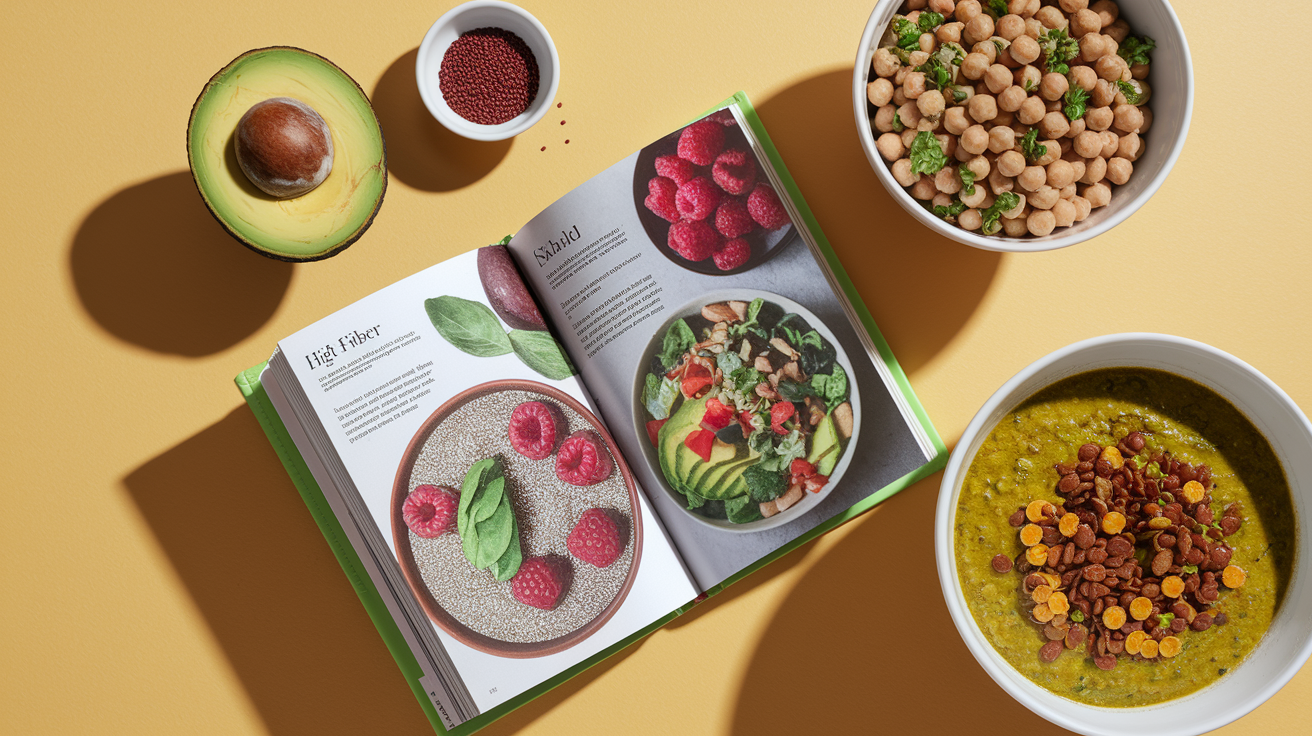
The following recipes and meal ideas are built around whole, minimally processed ingredients and are designed to hit 10 or more grams of fiber per serving. Each includes a quick prep summary and the approximate fiber content.
Breakfasts
Vegetable Breakfast Scramble
Prep time: about 10 minutes
Fiber per serving: nearly 10 grams
Sauté a cup of chopped spinach, half a diced bell pepper, and a quarter cup of diced tomatoes in a nonstick pan. Push the vegetables to the side and scramble two eggs or a portion of tofu in the same pan. Serve with half a medium avocado (5 grams of fiber) and 2 tablespoons of hummus (about 2 grams of fiber). The vegetables, avocado, and hummus combine to deliver close to 10 grams of fiber, plus protein from the eggs or tofu to stabilize glucose.
Chia and Raspberry Overnight Bowl
Prep time: 5 minutes active, overnight soak
Fiber per serving: 27 grams
In a jar or bowl, combine 3 tablespoons of chia seeds (15 grams of fiber), 1 cup of unsweetened coconut milk, and a handful of fresh or frozen raspberries (8 grams of fiber per cup). Stir, cover, and refrigerate overnight. In the morning, top with a tablespoon of unsweetened shredded coconut (about 2 grams of fiber) and a few chopped almonds. This bowl delivers 27 grams of fiber in a single serving and requires almost no cooking.
Pineapple Kale Smoothie
Prep time: 5 minutes
Fiber per serving: about 13 grams
Blend 1 cup of chopped kale (about 2.5 grams of fiber), half a frozen banana (1.5 grams of fiber), half a cup of frozen pineapple chunks, 2 tablespoons of chia seeds (10 grams of fiber), and 1 cup of unsweetened coconut milk or almond milk. The result is a thick, sweet smoothie with roughly 13 grams of fiber. Add a scoop of protein powder to increase satiety and further slow glucose absorption.
Lunches
Nutty Green Veggie Crunch Salad
Fiber per serving: about 12 grams
Chop 2 cups of mixed greens (romaine and cabbage), add half a cup of shelled edamame (4 grams of fiber), half a sliced cucumber, and a quarter cup of mixed nuts (about 3 grams of fiber). Toss with a dressing made from 1 tablespoon of natural peanut butter (1 gram of fiber), rice vinegar, a small amount of low-sodium soy sauce, and a pinch of ginger. The edamame, nuts, and vegetables combine to deliver roughly 12 grams of fiber, plus plant-based protein from the edamame and nuts.
Avocado, Fennel, and Roasted Carrot Salad
Fiber per serving: about 10 grams, or 13 grams with mizuna
Roast 1 cup of sliced carrots (4 grams of fiber) at 400°F until tender and slightly caramelized. Toss with sliced fennel, half a medium avocado (5 grams of fiber), and a handful of arugula or mizuna lettuce (3 grams of fiber per cup of mizuna). Dress with lemon juice, olive oil, salt, and black pepper. This salad provides at least 10 grams of fiber. You can boost it to 13 grams by adding mizuna.
Avocado Chickpea Salad Lettuce Wraps
Fiber per serving: about 13 grams
Mash half a medium avocado (5 grams of fiber) with half a cup of cooked chickpeas (6 grams of fiber), a squeeze of lemon juice, a pinch of cumin, and salt. Spoon the mixture into large romaine or butter lettuce leaves. Add diced cucumber and tomato for extra fiber and crunch. Each serving delivers roughly 13 grams of fiber and works as a light lunch or snack.
Dinners
Vegan Broccoli Cheddar Soup
Fiber per serving: about 17.5 grams
Sauté diced onions and garlic in a large pot. Add 4 cups of finely chopped broccoli (about 10 grams of fiber for 2 cups cooked per serving), 3 cups of vegetable broth, and a cup of unsweetened almond milk. Simmer until the broccoli is tender, then blend half the soup to create a creamy base while leaving some texture. Stir in 3 tablespoons of nutritional yeast (4 grams of fiber) for a cheesy flavor and additional fiber. Top each bowl with roasted chickpeas (about 3 grams of fiber per quarter cup) for crunch. One serving delivers approximately 17.5 grams of fiber.
Broccoli Noodle Stir-Fry
Fiber per serving: about 11 grams
Peel and spiralize broccoli stems into noodle shapes. Sauté the broccoli noodles with sliced bell peppers, snap peas, and a handful of edamame in a hot pan with a small amount of avocado oil. Season with low-sodium soy sauce, garlic, and ginger. The broccoli noodles, vegetables, and edamame combine to provide roughly 11 grams of fiber per serving, along with protein from the edamame.
Vegan Red Lentil Curry
Fiber per serving: high, exact count depends on portion
Cook 1 cup of dried red lentils (about 15 grams of fiber per cooked cup) in vegetable broth with diced tomatoes, onions, garlic, ginger, turmeric, cumin, and cayenne. Simmer until the lentils are soft and the curry thickens. Serve over a small portion of cauliflower rice instead of white rice to keep the carbohydrate load lower while maintaining fiber. One serving of lentils alone delivers 15 grams of fiber, and adding vegetables pushes the total even higher.
Snacks
Blueberries and Nuts
Fiber per serving: about 7 grams
Combine 1 cup of fresh blueberries (4 grams of fiber) with a quarter cup of mixed nuts (about 3 grams of fiber). The fruit provides natural sweetness and antioxidants, and the nuts add protein and fat to slow glucose absorption.
Apple Slices with Natural Nut Butter
Fiber per serving: about 6 to 7 grams
Slice one medium apple (4 grams of fiber) and serve with 1 tablespoon of natural almond butter (2 grams of fiber) or peanut butter (1 gram of fiber). The fiber in the apple and nut butter, combined with the protein and fat in the nut butter, creates a balanced snack that keeps blood sugar steady between meals.
Edamame with Nutritional Yeast
Fiber per serving: about 4 grams
Microwave a half cup of frozen shelled edamame (4 grams of fiber) until heated through. Sprinkle with 1 tablespoon of nutritional yeast for a cheesy, savory flavor. This snack is shelf-stable, takes less than 3 minutes to prepare, and delivers fiber and plant-based protein.
Flaxseed Crackers with Guacamole
Fiber per serving: varies, 2 to 9 grams from crackers plus avocado
Look for flaxseed crackers with at least 2 grams of fiber per 6-cracker serving. Some brands offer up to 9 grams. Serve with homemade guacamole made from mashed avocado, lime juice, diced tomato, and a pinch of salt. The crackers and guacamole together can deliver 7 to 14 grams of fiber depending on the brand and portion.
Sample Daily Meal Plan Hitting 30 to 50 Grams of Fiber
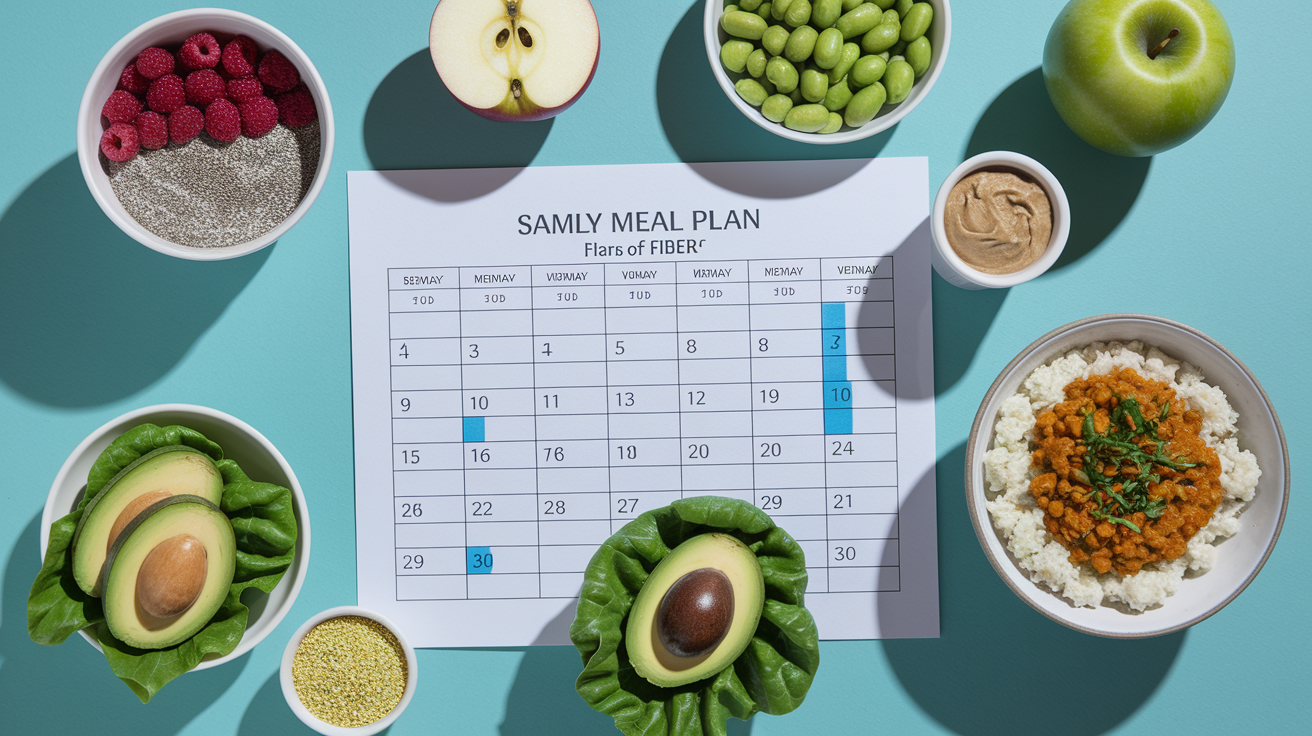
Here’s a simple one-day plan that demonstrates how to reach 30 to 50 grams of fiber using whole foods and the recipes above. Adjust portion sizes and swap foods based on your preferences and calorie needs.
Breakfast: Chia and Raspberry Overnight Bowl
Fiber: 27 grams
Calories: approximately 350 to 400
3 tablespoons chia seeds, 1 cup unsweetened coconut milk, 1 cup raspberries, 1 tablespoon shredded coconut, a few chopped almonds.
Mid-Morning Snack: Apple Slices with Almond Butter
Fiber: 6 grams
Calories: approximately 150
1 medium apple, 1 tablespoon natural almond butter.
Lunch: Avocado Chickpea Salad Lettuce Wraps
Fiber: 13 grams
Calories: approximately 300
Half a medium avocado, half a cup cooked chickpeas, romaine lettuce, diced cucumber and tomato.
Afternoon Snack: Edamame with Nutritional Yeast
Fiber: 4 grams
Calories: approximately 100
Half a cup shelled edamame, 1 tablespoon nutritional yeast.
Dinner: Vegan Red Lentil Curry over Cauliflower Rice
Fiber: approximately 15 grams from lentils, plus 2 to 3 grams from cauliflower rice and added vegetables
Calories: approximately 400
1 cup cooked red lentils in curry, served over 1 cup cauliflower rice, side of sautéed spinach.
Total Fiber for the Day: approximately 65 to 70 grams
Total Calories: approximately 1,300 to 1,400
This plan exceeds the 30 to 50 gram target and leaves room to add a small amount of protein at dinner (grilled chicken, tofu, or fish) or an extra snack if your calorie needs are higher. If 65 grams feels too high at first, reduce the chia seeds in the breakfast bowl to 2 tablespoons (dropping fiber by 5 grams) or swap the lentil curry for a smaller portion of chickpeas or beans.
The key is flexibility. You can hit 30 grams with simpler meals. A bowl of oatmeal with berries and flaxseeds for breakfast, a chickpea salad for lunch, and lentil soup for dinner will get you there without fancy recipes or hard-to-find ingredients.
Final Words
You learned quick reasons why fiber helps slow blood sugar spikes, what to look for on labels, and simple swaps and meals to make fiber part of your day. The post gave practical grocery picks, easy snacks, and plate-building tips you can use this week.
Start with one small change: add a high-fiber side, swap to whole grains, or pair fruit with a protein. Small steps add up. Choosing fiber-rich foods that stabilize blood sugar makes meals more satisfying and steady — and you can do this.
FAQ
Q: What is the best fiber for regulating blood sugar?
A: The best fiber for regulating blood sugar is soluble fiber—oats, beans, apples, psyllium—because it forms a gel that slows carb absorption, reduces spikes, and helps you feel full.
Q: What can I eat to stabilize my blood sugar?
A: To stabilize blood sugar, eat balanced meals with protein, fiber-rich carbs, and healthy fats—eggs or Greek yogurt, beans or whole grains, plenty of vegetables, and a handful of nuts; watch portions and timing.
Q: Does fiber stop blood sugar spiking and does fiber affect A1c levels?
A: Fiber helps blunt blood sugar spikes and, when eaten consistently as part of weight control and balanced meals, can modestly lower A1c over time, with soluble fiber showing the clearest benefits.

