

Controversial take: “All natural” on a package is mostly theater.
I’ve stood in that aisle too, fooled by pretty fonts and farm photos.
This post uses satire—parody labels, fake ingredient lists, and cheeky headlines—to point out the gap between wholesome fronts and messy back panels.
We’ll show why “all natural” often means little in practice, spotlight common tricks like sugar-first ingredient lists and plant extracts that act like preservatives, and give simple moves so you can shop smarter.
Satirical Breakdown of “All Natural” Label Absurdities

The phrase “all natural” sits on a grocery package like a warm hug from a fictional grandmother who definitely didn’t use high-fructose corn syrup. The label suggests purity, simplicity, maybe a dirt road somewhere in Idaho. Reality? “All natural” has no meaningful federal definition in the United States. It lives in a regulatory gray zone so wide you could drive a semi full of Yellow 5 through it. The claim is perfectly legal, totally unmonitored, and sells sugar water like crazy.
In May 2018, Funny or Die released a parody video called “All‑Natural, Non‑GMO 100% Gluten‑Free Internet Video.” Partnered with dairy farmers’ Peel Back the Label campaign, it lampooned exactly this nonsense. The parody targets the buzzword blitz: “non‑GMO,” “100%,” “gluten free,” “natural,” slapped on products that have no business wearing those halos. When a video can be “all natural,” so can a Snapple with 46 grams of sugar or a Raisin Bran with a 50-item ingredient list. The joke lands because it’s barely an exaggeration.
Here’s how “all natural” gets ridiculous:
“100% Natural (Except Everything Inside)”
Front label shows farm imagery. Back panel reads like a chemistry syllabus.
“Nature’s Gift of Arsenic”
Technically natural, still terrible for you. So are earthquakes and botulism.
“Gluten‑Free!” (On Bottled Water)
Literally always was, always will be. Marketing genius.
“100% Real Sugar!”
Yes, and there’s 40 grams of it in one cup. Congrats on the honesty, not the health.
“All Natural Tea”
With 19 grams of sugar per 8 ounces and caramel color you won’t find on a tea plant.
Parody Packaging Concepts Inspired by “All Natural” Claims
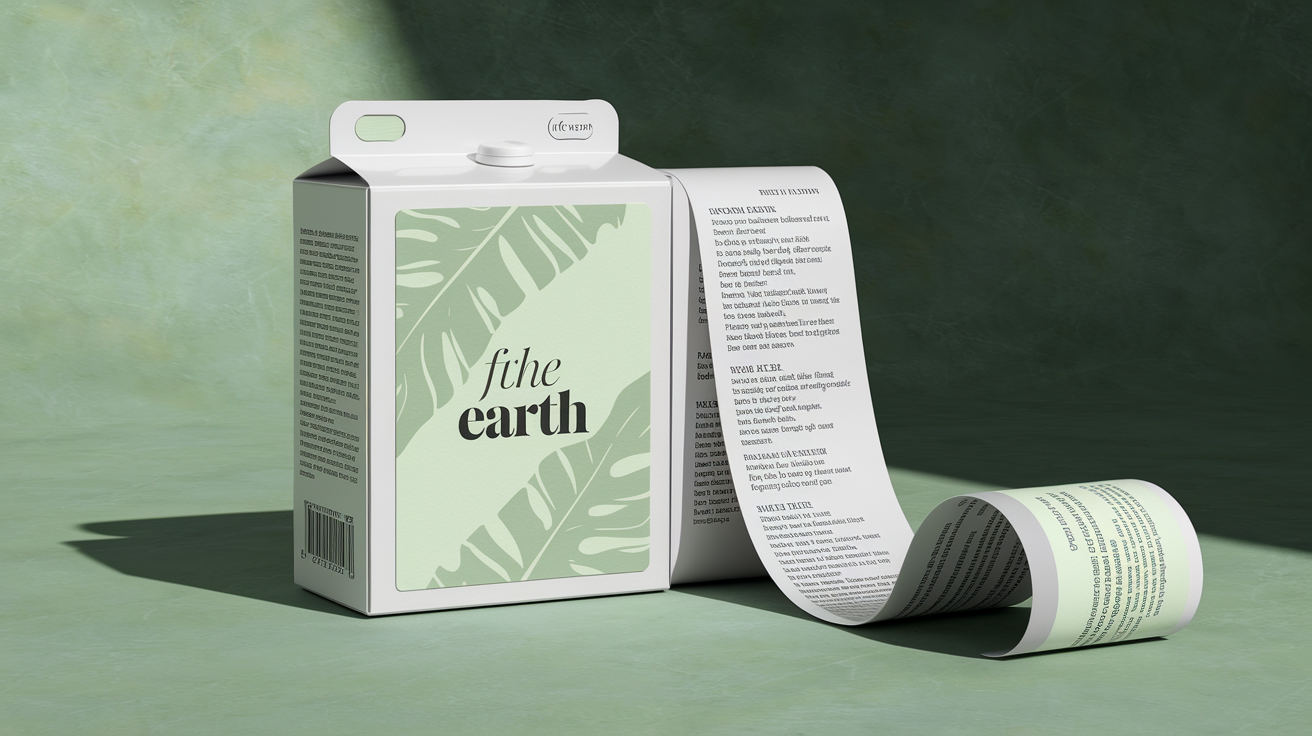
Real “all natural” packaging uses every visual trick to suggest wholesomeness. Green font. Leaf icon. Rustic barn silhouette. The word “ingredients” in lowercase cursive, as if a sweet grandmother handwrote it between batches of homemade jam, not a corporate design team optimizing for shelf appeal. The front promises simplicity. The back delivers a 30-line ingredient panel starring high-fructose corn syrup, multiple dyes, and at least two unpronounceable emulsifiers.
Parody packaging should lean into that gap. Picture a minimalist label with delicate script claiming “From the Earth” while the ingredient deck scrolls off the side of the box. Or a certification seal reading “Approved by No One in Particular” stamped next to “100% Inspected by Marketing.” The visual absurdity writes itself once you know the formula: pretty front, chaotic back, zero accountability.
Four parody packaging ideas that nail the greenwashing playbook:
“Nature‑Blessed Sodium Explosion”
Front shows a waterfall. Back reveals 800 mg sodium and mechanically separated chicken.
“Farm‑to‑Bag (Via Three Factories)”
Rustic wheat graphic, ingredient list includes maltodextrin, modified corn starch, calcium propionate.
“100% Organic Vibes™”
No actual organic ingredients, just a feeling. Seal includes a hand‑drawn leaf that dissolves under scrutiny.
“Minimalist Label, Maximum Additives”
White space on the front. 47 ingredients crammed onto the nutrition panel in 4-point type.
Satirical Ingredient Lists That Reveal the Joke
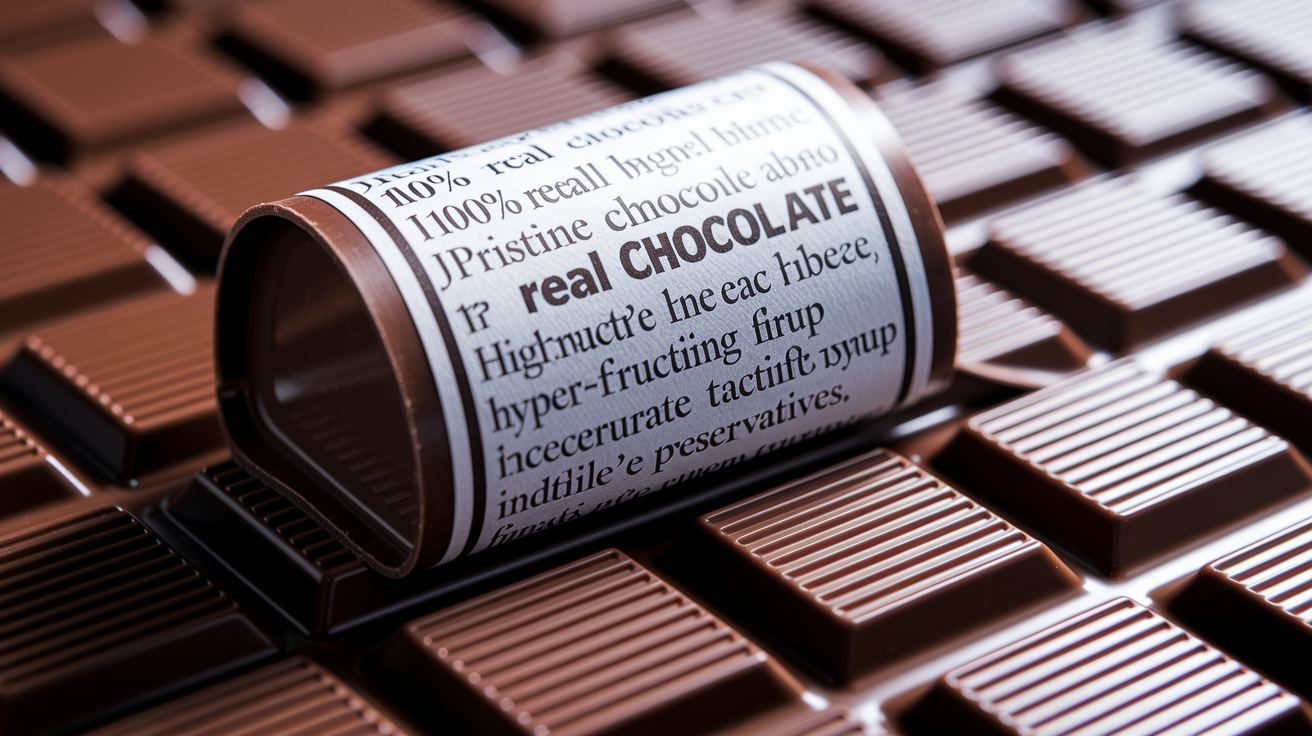
Ingredient lists are comedy gold when you compare the front‑of‑package promise to what’s actually inside. A box shouts “100% Real Chocolate!” and then the ingredient panel opens with sugar, hydrogenated oil, cocoa processed with alkali, and a parade of preservatives. The chocolate chips are real. Everything surrounding them is a science experiment. That’s the punchline, a single truthful claim surrounded by 29 lies of omission.
High-fructose corn syrup appearing second or third in an ingredient list on a product marketed as “made with real fruit juice” is a masterclass in misdirection. Ingredients get listed by weight, so when HFCS ranks above actual juice, you’re drinking sweetener with a juice cameo. Minute Maid Fruit Punch pulls this move. Water first, sweeteners second and third, juice somewhere down the line. The front label shows fruit. The back shows a sugar delivery system.
Then there’s the “no nitrites added” deli meat trick. Brands use cultured celery extract, a natural source of nitrates, plus bacteria to convert those nitrates into nitrites that are chemically identical to synthetic ones. Same molecule, different PR. The label says “no synthetic preservatives” and shoppers feel virtuous buying processed meat that’s functionally the same as the regular version. It’s not safer. Just better marketed.
| Parody Ingredient | What It Satirizes |
|---|---|
| Certified Naturally Occurring Sodium (Table Salt) | Marketing “natural” sodium while ignoring 800 mg per serving |
| Organic Corn Syrup Solids | “Organic” label on highly processed sweeteners |
| Artisan-Sourced Disodium Phosphate | Using artisan language on industrial additives |
Regulatory Reality Behind “Natural” (Explained Through Humor)
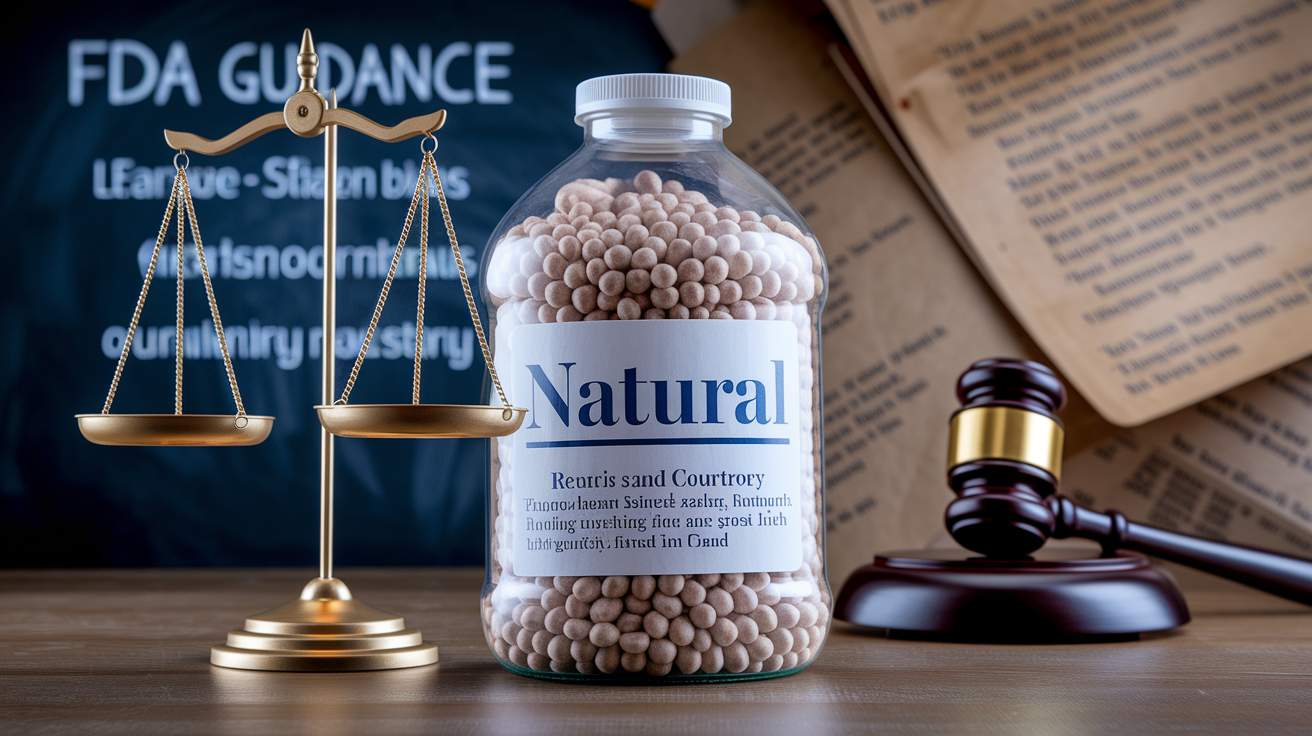
Regulators face a simple problem with hundreds of thousands of moving targets: food companies are creative, fast, and motivated by prime shelf real estate. The FDA has issued guidance saying “natural” means nothing artificial or synthetic has been added, but enforcement is basically nonexistent and the definition has more holes than a screen door. Health Canada is stricter on paper. Natural products can’t have added vitamins, minerals, artificial flavoring, or undergo processes that significantly alter their state. But the loopholes are wide enough to back a dump truck through.
Deli meat is the perfect case study. A package can say “no nitrites added” as long as the company uses cultured celery extract instead of sodium nitrite. The bacteria in the culture convert plant nitrates into nitrites that are molecularly identical to the synthetic version. Same preservation, same potential health concerns, better optics. It’s regulatory theater. The label is technically accurate and nutritionally meaningless.
You can slap “naturally flavored” on a 100% sugar popsicle because the flavoring agent meets the natural test, even though the product is essentially frozen sugar water. The word “natural” applies to one ingredient while the rest of the product remains a nutritional wasteland. It’s like calling a car “leather interior” when only the steering wheel is wrapped in hide and the rest is vinyl. True, misleading, profitable.
Ridiculous Real-World Numbers That Make “All Natural” Funny
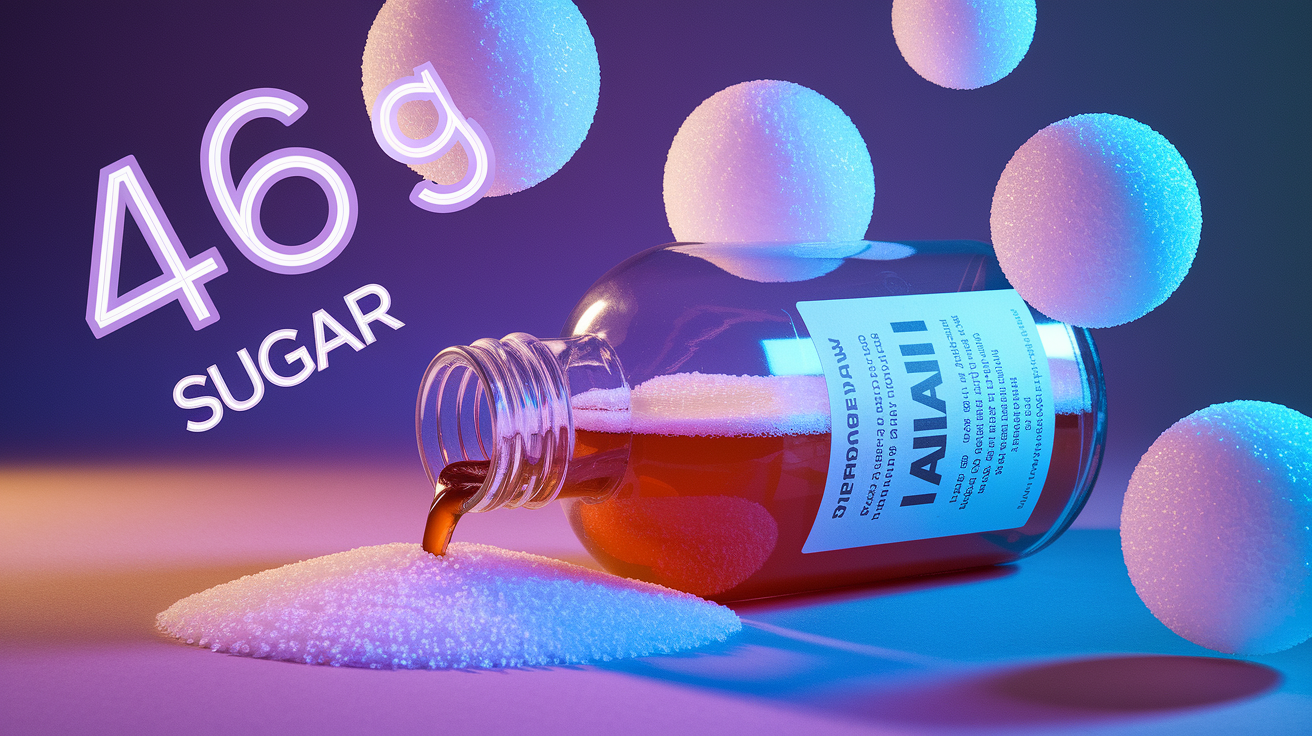
Real products deliver the best punchlines because the numbers are absurd enough that satire barely needs to exaggerate. When a bottle of “All Natural” Snapple contains 46 grams of sugar, that’s more sugar than three glazed donuts, and the label still whispers “made from the best stuff on earth.” When Raisin Bran, cereal that sounds like health food, clocks in at 19 grams of sugar and a 50-item ingredient list, the joke writes itself.
Minute Maid markets fruit punch with big, colorful fruit on the carton, but the ingredient list puts high-fructose corn syrup and sugar ahead of juice. You’re buying sweetened water with a fruit cameo. Welch’s Fruit Snacks boast “Made with Real Fruit” and “100% Vitamin C” while listing fruit juice, then HFCS, sugar, and artificial flavors. Lucky Charms shouts “WHOLE GRAIN First Ingredient!” but still delivers 10 grams of sugar, 170 mg sodium, and a rainbow of artificial dyes per bowl.
The reality behind six “all natural” or health-halo claims:
“100% Natural” Iced Tea
19 g sugar per 8 oz, plus caramel color. Nature’s candy.
“Made with Real Fruit” Punch
Water and HFCS appear before juice in the ingredient order. Fruit is the extra in its own movie.
“Whole Grain First!” Cereal
10 g sugar, artificial colors Yellow 5 and 6, marshmallow corn syrup. Whole grain is technically first. Everything else is a circus.
“100% Real Chocolate” Cookies
Real chocolate chips swim in hydrogenated oils and artificial flavor.
“Good Source of Protein” Waffles
8 g protein, 390 mg sodium, Yellow 5, Yellow 6. Protein with a sodium chaser.
“All Natural” Raisin Bran
19 g sugar, 50-item ingredient list. Natural is doing a lot of heavy lifting.
Satirical Headlines, Taglines, and Product Names

Satire thrives on exaggeration that’s only one step removed from the truth. The best parody product names sound plausible until you think about them for three seconds. They capture the marketing formula, vague health promise plus rustic imagery plus a claim no one will verify, and crank it just past believable. The goal? Make someone laugh and then check the back of the box they’re holding.
Seven satirical taglines and product names ready for a parody grocery aisle:
“Farm‑Raised in Our Marketing Department”
For products with “farm fresh” imagery and zero farm involvement.
“100% Natural (Terms and Conditions Apply)”
Footnote reveals “natural” applies only to the water content.
“Certified by the Institute of Things We Made Up”
Fake certification seal that looks official enough to fool a tired shopper.
“Nature’s Candy (Literally Just Sugar)”
Honest tagline for fruit snacks that are 98% sweeteners and dyes.
“Gluten‑Free Since the Beginning of Time”
Slapped on anything that never contained gluten. Rice, salt, air.
“Contains Real Ingredients (Some Assembly Required)”
For ultra-processed foods with one whole-food cameo.
“Straight from the Lab to Your Heart”
Parody of “farm to table” for products engineered in food-science facilities.
Sketch, Meme, and Video Concepts Mocking “All Natural”

Short-form video and meme formats are built for food-label satire because the visual gap between front-of-package promises and back-of-package reality is instant comedy. A TikTok that starts with a serene voiceover, “Made with ingredients you can pronounce,” and then flips to a 40-item ingredient list scrolling like movie credits, lands in under 10 seconds. A parody ad featuring an influencer unboxing “100% Natural Sodium Bombs” while reading the nutrition panel out loud in increasing disbelief writes itself.
The Funny or Die parody video format works because it mirrors the slick production of real food ads. Calm music, soft focus, aspirational language. And then undercuts it with absurdity. A fake commercial for “Organic Lab‑Verified Beeswax Flavor Crystals” that zooms in on a certification seal reading “Inspected by Steve” captures how meaningless most badges are. The humor is in treating the ridiculous as if it’s premium.
Meme & Short‑Form Concepts
A side‑by‑side Instagram graphic comparing “What the Label Says” (picture of a sun‑drenched orchard) vs. “What’s Inside” (chemical structure diagram of Yellow 5) is shareable, educational, funny. A fake infographic titled “Ingredient Order Decoder” showing that HFCS in the number-two spot means you’re drinking corn syrup with a juice excuse teaches label literacy while roasting the industry. A parody unboxing video where someone opens “100% Real Ingredients!” snack bags and pulls out packets of maltodextrin, carrageenan, and “natural flavors” would go viral in the skeptical-parent demographic.
Satire as a Tool for Consumer Label Literacy
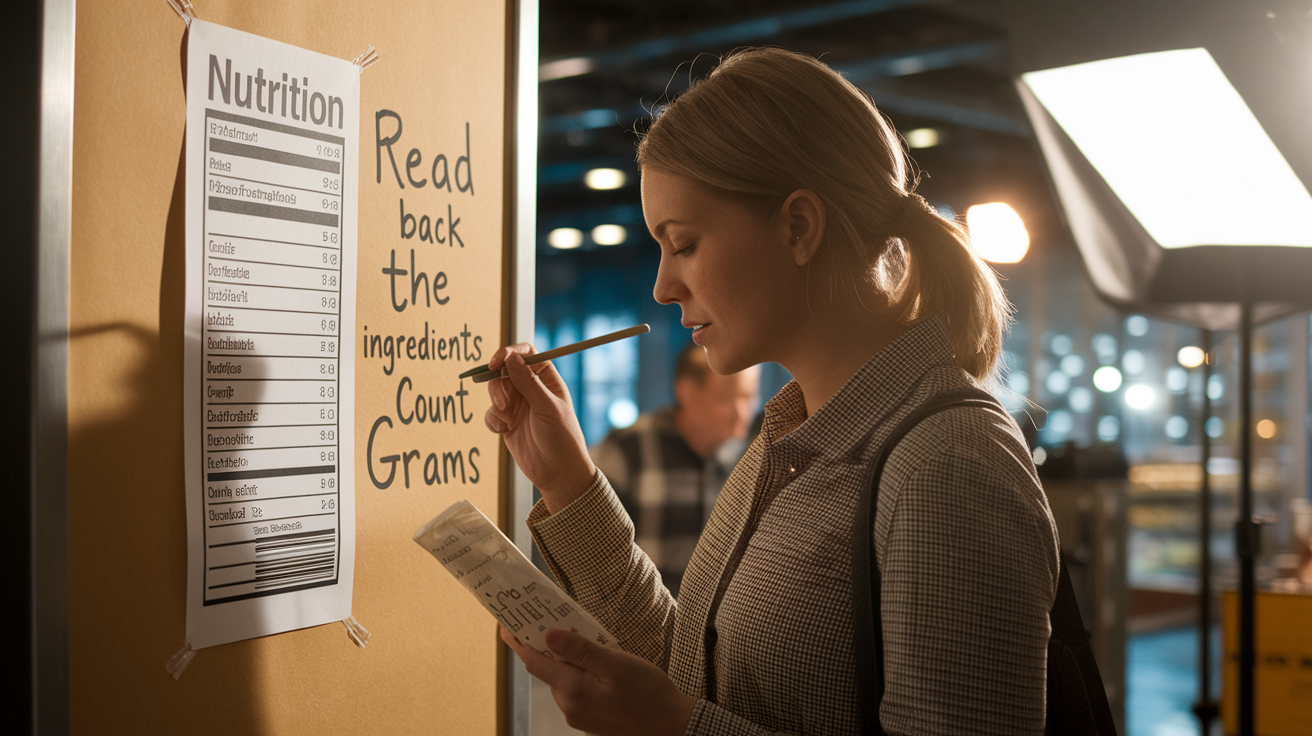
Satire doesn’t just make people laugh. It makes them check the back of the box. When a parody highlights that “calorie‑free” often means artificial sweeteners like sucralose and acesulfame potassium, shoppers start reading ingredient lists instead of trusting front-panel promises. When a meme shows that “made with real fruit” can mean 2% juice and 98% dyes and sweeteners, that skepticism carries into the grocery aisle. Comedy bypasses the lecture and lands the lesson.
The “Peel Back the Label” campaign used humor specifically to cut through consumer fatigue. People are overwhelmed by conflicting nutrition advice, so a straightforward parody (“this says natural but look at the sugar count”) feels like relief. It simplifies the problem and hands over a tool: ignore the marketing, read the ingredients, count the grams. That’s actionable, repeatable, and it sticks because it’s wrapped in a joke.
Real-world examples reveal five sneaky tactics that satire exposes beautifully:
“Too good to be true” promises
“Waist Watcher” diet soda implying you can lose weight by drinking sweetened beverages.
“Calorie free” tricks
Zero calories sounds healthy until you spot sucralose, acesulfame potassium, and a warning about artificial sweeteners.
“Have your cake and still lose weight” paradoxes
Low-calorie frozen meals with 40% of your daily sodium and mystery “chicken type flavor.”
Selective spotlight tactics
Shouting “8 g protein!” while burying 390 mg sodium and two artificial dyes in fine print.
Greenwashed visuals and language
Green type, pastoral scenes, and the word “natural” doing all the persuasive work while the ingredient list tells a different story.
Final Words
We tore into the “all natural” claim and showed why it’s often nonsense. You saw parody packaging, absurd ingredient lists, real sugar and sodium numbers, and the regulatory gaps that let this happen.
We sketched headlines, meme ideas, and quick tips so the satire actually teaches something. The goal was simple: laugh, notice the tricks, and read labels with less guesswork.
This satirical take on ‘all natural’ food labels should leave you armed and amused — and more likely to pick smarter, tastier options.
FAQ
Q: What is the controversy with organic food?
A: The controversy with organic food is that it avoids synthetic pesticides and often supports smaller farms, but it can cost more, sometimes shows no clear nutrition advantage, and faces fraud or labeling loopholes—so prioritize certified organic for high‑residue produce.
Q: What is the 5 ingredient rule?
A: The 5 ingredient rule is a quick shopping tip: choose packaged foods with five or fewer recognizable ingredients to reduce ultra‑processed items. It’s a guideline—also watch for added sugar and favor protein and fiber.
Q: What does all natural mean on a food label, and are foods labeled all natural better for you?
A: The term “all natural” on a food label means companies suggest minimal processing, but it’s vague and often unregulated. “All natural” doesn’t guarantee healthier—read the ingredient list and nutrition facts for sugar, sodium, and protein.

