

Are artificial sweeteners safe to use every day?
Regulators and decades of safety tests say yes if you stay under set daily intake limits.
But real-world human studies tell a messier story—people who drink diet drinks daily show higher risks of weight gain, metabolic syndrome (a cluster of blood-sugar and heart-risk problems), and some studies flagged possible cancer signals for specific sweeteners.
So the science is mixed: lab-based safety limits hold up, yet long-term population data raise caution about habitual heavy use; read on for practical takeaways and what to do in the grocery aisle.
Daily Safety Overview of Artificial Sweeteners Based on Current Evidence

Regulatory agencies define “safe for daily use” by setting acceptable daily intake levels. That’s an amount you can consume every day for a lifetime without real health risk. The FDA has approved six non-nutritive sweeteners: saccharin, acesulfame-K, aspartame, neotame, sucralose, and stevia. Each one has a specific ADI measured in milligrams per kilogram of body weight per day. Aspartame’s ADI is 50 mg/kg in the United States and 40 mg/kg in the European Union. Stevia sits at 4 mg/kg. Sucralose and saccharin come in around 5 mg/kg, acesulfame-K at roughly 15 mg/kg, and neotame at approximately 0.3 mg/kg. Staying under these limits is considered safe according to decades of toxicology studies that informed the approvals.
Human observational research tells a messier story. The San Antonio Heart Study found that people drinking more than 21 diet drinks per week were about twice as likely to become overweight or obese compared to non-drinkers. The Multiethnic Study of Atherosclerosis linked daily diet-drink consumption to a 36 percent greater risk of metabolic syndrome and a 67 percent higher risk of developing type 2 diabetes. In 2023, an international expert panel classified aspartame as “possibly carcinogenic to humans” based on limited evidence, and a separate global guideline advised against using non-sugar sweeteners for weight control, citing lack of long-term benefit and potential harms.
Major health organizations hold cautious positions. The FDA continues to regard approved sweeteners as safe when consumed below ADI limits and hasn’t changed those limits after recent reviews. The World Health Organization published a 2023 conditional recommendation against routine use of non-sugar sweeteners for weight management. It emphasized uncertain benefits and possible risks. The European Food Safety Authority maintains existing ADIs and reaffirmed safety assessments, though it acknowledges gaps in long-term human data. The American Diabetes Association and American Heart Association offer qualified endorsements for replacing sugar to reduce added calories, while warning about compensatory eating and other unknowns.
“Safe for daily use” in practical terms means staying well below your personal ADI and recognizing that regulatory safety margins don’t guarantee metabolic benefit or rule out long-term population risks seen in observational studies. Many heavy users consume up to 24 ounces of diet soda a day. Those intakes are far higher than amounts studied in the cancer-risk trials that informed FDA approval, leaving a zone of real-world uncertainty.
Understanding How Artificial Sweeteners Work in the Body
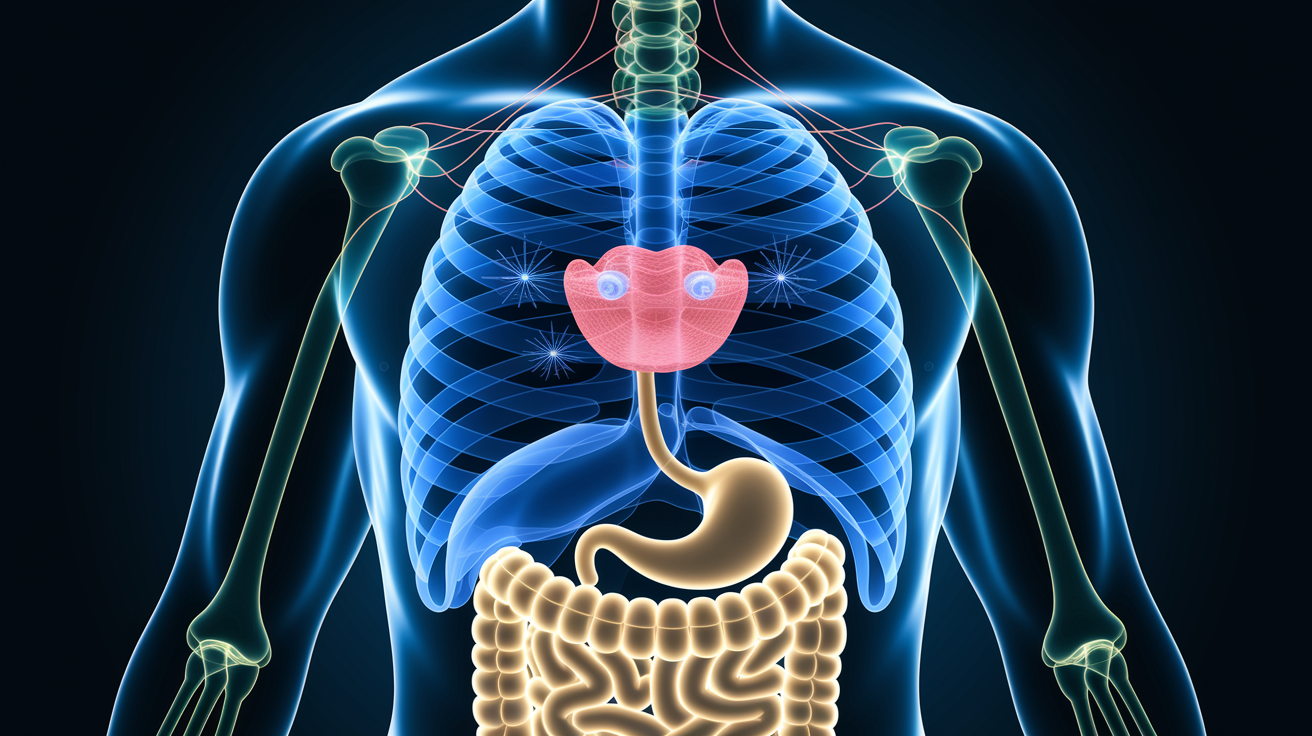
Artificial sweeteners deliver intense sweetness without calories by binding to the same taste receptors on your tongue that sugar activates. But they do it at concentrations up to 700 times stronger. Sucralose, for instance, is about 600 times sweeter than table sugar. That extreme intensity can overstimulate sweetness receptors, which may shift your baseline preference over time so that naturally sweet whole foods like berries or carrots taste bland and less satisfying.
Beyond taste, sweeteners interact with reward pathways in the brain. Both sugar and non-nutritive sweeteners trigger dopamine release in the striatum, the region tied to pleasure and craving. Because artificial sweeteners flood receptors with sweetness but deliver no calories, some researchers believe they weaken the learned association between sweet taste and energy. A mismatch that can increase hunger signals and drive you to seek more sweet or calorie-dense foods later in the day.
Your gut also plays a role. Sweet-taste receptors line the intestinal wall and help regulate glucose absorption and hormone release. When artificial sweeteners activate these receptors without providing glucose, the resulting hormonal signals may be incomplete or confusing. Potentially altering insulin secretion patterns and appetite regulation in ways that short-term calorie math alone doesn’t capture.
Types of Artificial Sweeteners and Their Daily-Use Profiles

Aspartame
Aspartame is one of the oldest and most-studied artificial sweeteners, sold under brand names Equal and NutraSweet. It breaks down into phenylalanine, aspartic acid, and methanol in the digestive tract. People with phenylketonuria, a genetic disorder that prevents normal metabolism of phenylalanine, must avoid aspartame completely. It can impair cognitive development and cause other serious complications. The ADI is 50 mg per kilogram of body weight per day in the United States, which translates to about 3,500 milligrams for a 70-kilogram adult. Roughly the amount in 18 to 19 cans of diet soda. In 2023, an international panel classified aspartame as possibly carcinogenic to humans based on limited human evidence and stronger mechanistic signals in animal models, though regulatory ADI limits remain unchanged. Some people report headaches or mood changes with aspartame. The article sources suggest caution during pregnancy and in individuals with migraine or seizure disorders, though definitive causal proof is lacking.
Sucralose
Sucralose, marketed as Splenda, was created in 1992 by chemically modifying sugar molecules. Replacing three hydroxyl groups with chlorine atoms. That substitution makes it about 600 times sweeter than sugar and stable at high temperatures, so it appears in baked goods, beverages, and tabletop packets. The ADI is roughly 5 mg per kilogram per day. For a 70-kilogram person, that equals 350 milligrams daily. The equivalent of several servings spread across multiple products. The chlorine modification has raised questions about long-term metabolic effects and gut microbiome changes, but large-scale human trials showing clear harm are still missing. Sucralose doesn’t raise blood sugar acutely in most people, making it popular among individuals managing diabetes. Yet observational links to weight gain and metabolic syndrome persist.
Stevia
Stevia comes from the leaves of the Stevia rebaudiana plant and is often marketed as a natural alternative. The active compounds, steviol glycosides, are extracted, purified, and approved by the FDA with an ADI of 4 mg per kilogram of body weight per day, expressed as steviol equivalents. A 70-kilogram adult can safely consume about 280 milligrams of steviol equivalents daily. Stevia doesn’t raise blood glucose and carries fewer metabolic red flags in observational studies than synthetic options. But it still delivers intense sweetness that may reinforce preference for sweeter foods. Some users report a licorice-like aftertaste, and gut-tolerance data remain less comprehensive than for older sweeteners.
Saccharin
Saccharin is the oldest artificial sweetener, discovered in 1879, and was once restricted due to bladder-cancer findings in rodents. Subsequent research showed that the rodent mechanism doesn’t apply to humans, and saccharin was re-approved with an ADI around 5 mg per kilogram per day. It remains common in tabletop sweeteners, soft drinks, and some medications. Long-term human cancer risk appears low at typical intakes. But saccharin shares the same sweetness-intensity and taste-preference concerns seen with other high-potency sweeteners.
What Research Shows About Artificial Sweeteners and Weight, Metabolism, and Diabetes

Short-term randomized trials often show modest weight loss or reduced calorie intake when participants swap sugar-sweetened products for artificially sweetened versions. But those effects tend to be small and fade over weeks to months. The problem is compensation. People drinking diet soda may unconsciously or deliberately eat more elsewhere. A pattern captured in the phrase “I’m drinking diet soda, so it’s okay to have cake.” That behavioral offset can erase any calorie advantage, and some observational studies suggest it does exactly that, with heavy diet-drink users gaining more weight over years than non-users.
Blood sugar and insulin responses in controlled feeding studies are generally neutral or slightly favorable in the short term. Artificial sweeteners don’t spike glucose the way table sugar does, which makes them appealing for managing glycemic load. However, the sweetness–calorie mismatch may alter insulin secretion patterns over time, and some small human trials have detected changes in glucose tolerance after a few weeks of regular use. Though findings are inconsistent and sample sizes are often tiny.
Long-term observational data paint a less reassuring picture. The San Antonio Heart Study tracked participants for years and found that those consuming more than 21 diet drinks per week had roughly double the risk of becoming overweight or obese. The Multiethnic Study of Atherosclerosis reported that daily diet-drink consumers faced a 36 percent higher risk of metabolic syndrome and a 67 percent greater risk of developing type 2 diabetes. Even after adjusting for baseline body weight and other confounders. A 2023 World Health Organization guideline reviewed the totality of evidence and concluded that non-sugar sweeteners shouldn’t be used as a weight-control strategy, citing uncertain benefits and signals of possible harm. Observational studies can’t prove causation, reverse causation and residual confounding are real limits. But the consistency of the signals across multiple cohorts raises legitimate caution about relying on artificial sweeteners daily for metabolic health.
Cancer Research and Long-Term Risk Assessment of Artificial Sweeteners

The cancer-risk studies that informed FDA approvals largely tested doses well below the heavy habitual intakes many people sustain today. Someone drinking 24 ounces of diet soda daily is consuming far more aspartame or sucralose than the amounts used in multi-decade rodent bioassays. And the follow-up period in most human epidemiology is measured in years, not lifetimes. In 2023, the International Agency for Research on Cancer classified aspartame as Group 2B, “possibly carcinogenic to humans,” based on limited evidence in people and stronger mechanistic and animal data. That classification doesn’t mean aspartame definitively causes cancer at normal intakes. It means the evidence is suggestive but not conclusive.
Animal studies have shown stronger signals. High-dose aspartame and saccharin trials in rodents produced tumors in some experiments, though the mechanisms often don’t translate directly to humans. Regulatory agencies weighed those findings and set ADIs with large safety margins, but the gap between experimental doses and real-world cumulative exposures leaves room for uncertainty. Especially when multiple sweetener sources, drinks, snacks, dressings, medications, add up throughout the day.
Key uncertainties in long-term risk assessment include most human cancer studies relying on self-reported dietary recall and short follow-up, making it hard to detect slow-developing malignancies. High-intake subgroups are underrepresented in randomized trials, which tend to enroll moderate users for limited durations. Mechanistic pathways such as DNA damage, oxidative stress, and epigenetic changes seen in lab models haven’t been confirmed at population scale in humans.
Daily Intake Limits: How to Calculate Your Amounts

Acceptable daily intakes are expressed in milligrams per kilogram of body weight, so your personal limit depends on how much you weigh. A 70-kilogram adult can safely consume up to 3,500 milligrams of aspartame per day under U.S. guidelines. Roughly the amount in 18 diet sodas. For stevia, the same person’s ADI is 280 milligrams of steviol equivalents. For sucralose about 350 milligrams, for acesulfame-K around 1,050 milligrams, for saccharin approximately 350 milligrams, and for neotame only about 21 milligrams because of its extreme potency.
Real-world intake is cumulative. A single 12-ounce diet soda might contain 180 to 200 milligrams of aspartame, a packet of tabletop sweetener adds another 35 to 40 milligrams, a serving of sugar-free yogurt contributes 50 to 100 milligrams, a protein shake another 100 milligrams, and a piece of sugar-free gum 5 to 10 milligrams. Add those up across breakfast, snacks, lunch, and dinner, and you can approach or exceed half your ADI without realizing it. For children, the margin shrinks fast because ADI is tied to body weight. A 20-kilogram child has an aspartame ADI of 1,000 milligrams, reachable in five or six diet drinks.
Reading labels helps. Ingredients lists in the United States must name the specific sweetener: aspartame, sucralose, acesulfame potassium, stevia extract. Some products now print the milligram content per serving. If the label says “phenylketonurics: contains phenylalanine,” aspartame is present. Track your intake across all sources. Beverages, packaged snacks, condiments, chewing gum, flavored water, protein powders, and even some medications and vitamins. That’s how you get an honest picture of your daily total.
Gut Microbiome, Digestive Symptoms, and Sugar Alcohol Considerations
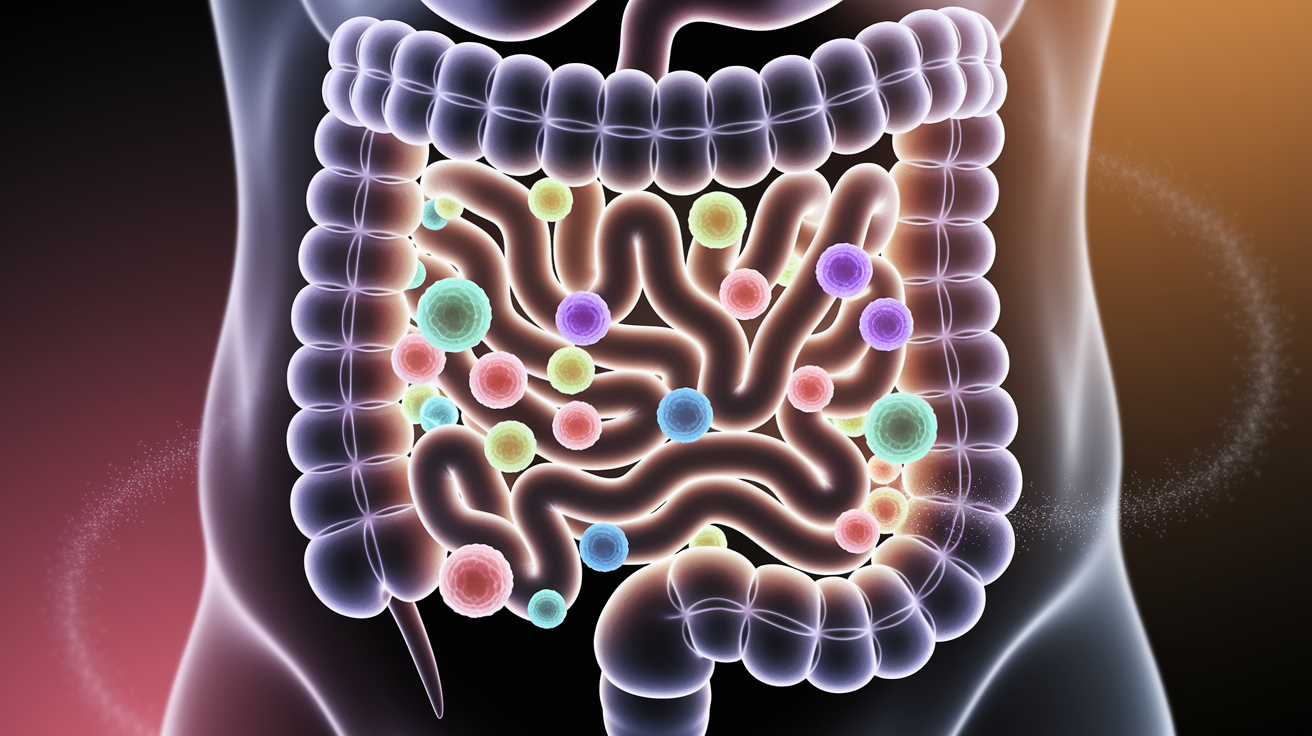
Some laboratory and small human studies suggest that certain artificial sweeteners can shift the composition of gut bacteria, favoring species associated with glucose intolerance and inflammation. Though clinical significance and reproducibility remain uncertain. The signals are strongest for saccharin and sucralose in animal models, with less consistent findings in people. Stevia and aspartame show smaller or inconsistent microbiome effects in the limited trials published so far.
Sugar alcohols, sorbitol, xylitol, mannitol, and maltitol, are a separate category that the gut handles differently. They’re absorbed slowly and incompletely in the small intestine, so most of the dose reaches the colon where bacteria ferment them into gas and short-chain fatty acids. That fermentation produces bloating, cramping, and in larger amounts, osmotic diarrhea. Gastrointestinal symptoms commonly appear at doses in the range of 10 to 50 grams per day depending on the specific sugar alcohol and individual tolerance. Erythritol is better tolerated because it’s absorbed more efficiently. Many people handle up to about 1 gram per kilogram of body weight before symptoms kick in, but single servings of 20 or 30 grams can still cause loose stools in sensitive individuals. Recent observational research has linked high erythritol blood levels to increased risk of heart attack and stroke, though causation isn’t established and the source of erythritol, dietary intake versus endogenous production, remains unclear.
Populations With Special Considerations for Daily Sweetener Use

People with phenylketonuria must avoid aspartame entirely because they can’t metabolize phenylalanine, one of aspartame’s breakdown products. Elevated levels can cause intellectual disability and other serious neurological harm. PKU is usually identified at birth through newborn screening, and individuals with the condition are counseled to check every label.
Pregnant and lactating individuals are advised to minimize or avoid non-sugar sweeteners according to recent guidance, including the 2023 WHO recommendation. The evidence base is thin, but there are no proven benefits for weight control during pregnancy and some animal and epidemiological signals. Though not definitive. Suggest possible associations with preterm birth, altered fetal metabolism, and unclear long-term effects on the child. The American Heart Association and American Diabetes Association note that occasional use is likely fine but don’t endorse daily reliance during pregnancy.
Children face smaller safety margins because ADI is based on body weight. A 20-kilogram child drinking three 12-ounce diet sodas in a day can approach the aspartame ADI. Adding sweetened snacks, gum, and flavored yogurt pushes total intake higher. Taste-preference formation also matters. Early and frequent exposure to intensely sweet products may set a baseline that makes vegetables and whole fruit less appealing. Older adults and people with chronic kidney disease, inflammatory bowel conditions, or other gastrointestinal disorders should monitor sugar alcohol intake closely. Tolerance tends to be lower and symptoms more pronounced. Anecdotal reports link artificial sweeteners, especially aspartame, to headaches and migraines, and some individuals with seizure disorders report worsening symptoms. Though controlled trial evidence is limited and inconsistent.
Hidden Sources of Artificial Sweeteners and How to Avoid Overconsumption

Artificial sweeteners show up in products you might not expect. Salad dressings labeled “light” or “low calorie” often replace sugar with sucralose or acesulfame-K to keep the calorie count down. Pasta sauces, especially those marketed as reduced-sugar, may add stevia or aspartame to preserve sweetness. Protein powders, meal-replacement shakes, and sports drinks frequently use blends of sweeteners to deliver flavor without carbs. Even savory snacks, flavored crackers, seasoned nuts, and some processed meats, can contain small amounts of sweeteners as flavor enhancers.
| Product Type | Common Sweeteners | Why It Matters |
|---|---|---|
| Sugar-free gum and mints | Aspartame, xylitol, sorbitol | Frequent use adds up quickly and can cause GI symptoms from sugar alcohols |
| Flavored yogurt and pudding cups | Sucralose, acesulfame-K, stevia | Multiple servings per day contribute significant sweetener load |
| Condiments and sauces | Sucralose, stevia | Hidden sources that people rarely check; cumulative intake across meals |
| Medications and vitamins | Aspartame, saccharin | Daily pills add low but consistent exposure, especially for children and PKU individuals |
Labels like “no sugar added,” “zero sugar,” “low calorie,” “diet,” “lite,” and “sugar-free” are red flags that warrant a closer look at the ingredients list. In the United States, sweeteners must be listed by name, so scan for aspartame, sucralose, acesulfame potassium, stevia extract, saccharin, neotame, and sugar alcohols like sorbitol and erythritol. If you see “phenylketonurics: contains phenylalanine,” aspartame is present. Tracking intake means checking every product you consume in a day, not just beverages, and keeping a rough running tally against your body-weight-adjusted ADI to avoid unintentional overconsumption.
Using Artificial Sweeteners Wisely in Daily Life

Artificial sweeteners can play a role in reducing added sugar and total calories if you use them strategically and don’t rely on them as a daily default. The most common pitfall is compensation. The belief that swapping regular soda for diet soda or using a zero-calorie sweetener in coffee frees up room for extra dessert or larger portions elsewhere. That mental trade-off often erases any calorie benefit and can lead to higher overall intake because the intense sweetness drives cravings without delivering satiety.
One effective strategy is to gradually reduce sweetness exposure across the board rather than simply replacing sugar with a non-caloric substitute. Start by cutting sweetener use in half in your morning coffee, then taper further over a few weeks until you tolerate less-sweet or unsweetened beverages. Pair naturally sweet whole foods, berries, green apples, carrots, with protein and fat to slow digestion and keep blood sugar steady, which reduces the glycemic roller coaster that fuels cravings. When you do use artificial sweeteners, treat them as a tool for specific high-sugar swaps. A diet soda instead of regular soda on occasion, not as a license for unlimited sweet consumption throughout the day.
Practical tips to reduce reliance and avoid excessive intake:
Track all sweetener sources for one week, including drinks, snacks, condiments, gum, and supplements, to see your true daily total. Choose plain or lightly flavored versions of yogurt, oatmeal, and sparkling water, then add fresh fruit or a small amount of honey or maple syrup if needed. Limit diet beverages to one per day or less, and replace additional servings with water, unsweetened tea, or seltzer with a squeeze of citrus. Read ingredient labels on “healthy” packaged foods, protein bars, meal-replacement shakes, low-fat dressings, because they often contain multiple sweeteners. Pay attention to taste-preference changes. If vegetables and fruit start tasting bland, your baseline sweetness threshold may be too high. A sign to cut back on all sweeteners, natural and artificial, for a few weeks.
Final Words
You jumped straight into the evidence: regulators set ADIs, human studies send mixed signals on weight and disease, and gut effects plus hidden sources can add up.
For most adults, occasional use within ADI levels is likely okay, but uncertainty and special cases (pregnancy, children, PKU) mean it’s worth being cautious.
Ask yourself a simple question: are artificial sweeteners safe for daily use? Use them as a tool, check labels, pair sweets with protein and fiber, and for many people moderate, mindful use works well.
FAQ
Q: Is it bad to consume artificial sweeteners every day?
A: Consuming artificial sweeteners every day is not proven unsafe for most people, but evidence is mixed—some studies link them to weight and metabolic risks. Use moderation and choose whole-food swaps when possible.
Q: What is the safest artificial sweetener to use?
A: The safest artificial sweetener to use depends on context; stevia has a favorable safety profile and ADI, while FDA-approved sweeteners are generally safe within limits—avoid aspartame if you have PKU.
Q: What’s worse for you, sugar or artificial sweeteners?
A: Which is worse for you, sugar or artificial sweeteners, depends: sugar adds calories and raises blood sugar; sweeteners remove calories but may affect appetite and metabolic risk in some studies. Balance and context matter.
Q: Are sweeteners ok for high cholesterol?
A: Sweeteners are generally okay for people with high cholesterol, but they don’t directly lower cholesterol. Focus on overall diet: reduce saturated fat, increase fiber and weight control; use sweeteners sparingly as part of that plan.

