
HealthSmart Grocery List for Better Metabolism and Energy

Smart Grocery List for Better Metabolism and Energy

-

Think a grocery list can’t change your metabolism?
Turns out what you put in your cart this week decides whether you crash at 3 PM or keep steady energy.
This printable smart grocery list focuses on lean protein, fiber-rich vegetables, low-sugar fruits, whole grains, and healthy fats so your blood sugar stays level, digestion moves at the right pace, and you feel more alert.
Use it to stock simple, ready-to-eat pieces so you can build quick meals, skip impulse snacks, and keep your energy consistent.

Printable Metabolism-Boosting Grocery List (Quick Start)
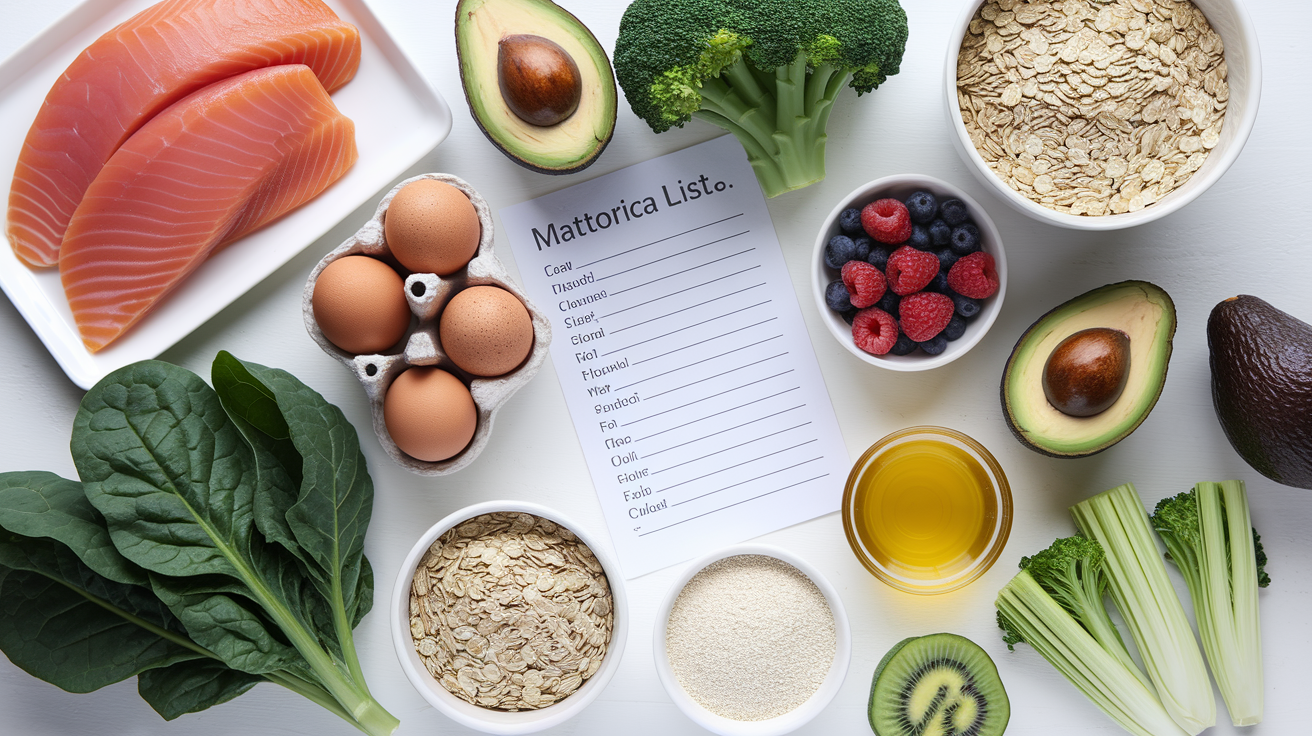
tZrw7rBCQhae2JvgHlUiHQ

Your next grocery run is where the work actually starts. What you buy this week decides whether your blood sugar stays steady or spikes all over the place, whether your body burns through energy efficiently or starts hoarding it, whether you feel sharp at 3 PM or need another coffee just to function.

This list gives you protein that makes your body work harder during digestion, fiber that keeps insulin from doing stupid things between meals, omega-3s that help your cells actually use the fuel you give them, and water-dense vegetables that keep everything moving.

Lean Proteins
Skinless chicken breast
Salmon fillets
Eggs (whole or whites)
Plain nonfat Greek yogurt
Canned tuna in water
Lean ground turkey

Fiber-Rich Vegetables
Spinach
Broccoli
Bell peppers
Brussels sprouts
Zucchini
Cauliflower

Low-Sugar Fruits
Berries (blueberries, strawberries, raspberries)
Green apples
Grapefruit
Oranges

Whole Grains & Starchy Vegetables
Rolled oats
Brown rice
Quinoa
Sweet potatoes
Whole wheat bread

Healthy Fats
Olive oil
Avocados
Unsalted almonds
Ground flaxseed
Chia seeds

Pantry & Flavor Staples
Low-sodium vegetable broth
Canned low-sodium black beans
Garlic powder
Cumin
Apple cider vinegar

Print it. Check what’s already sitting in your kitchen. Add what’s missing before you go. You’re not building a gourmet pantry here. You’re stocking simple pieces that let you throw together meals without googling a recipe every time you’re hungry.

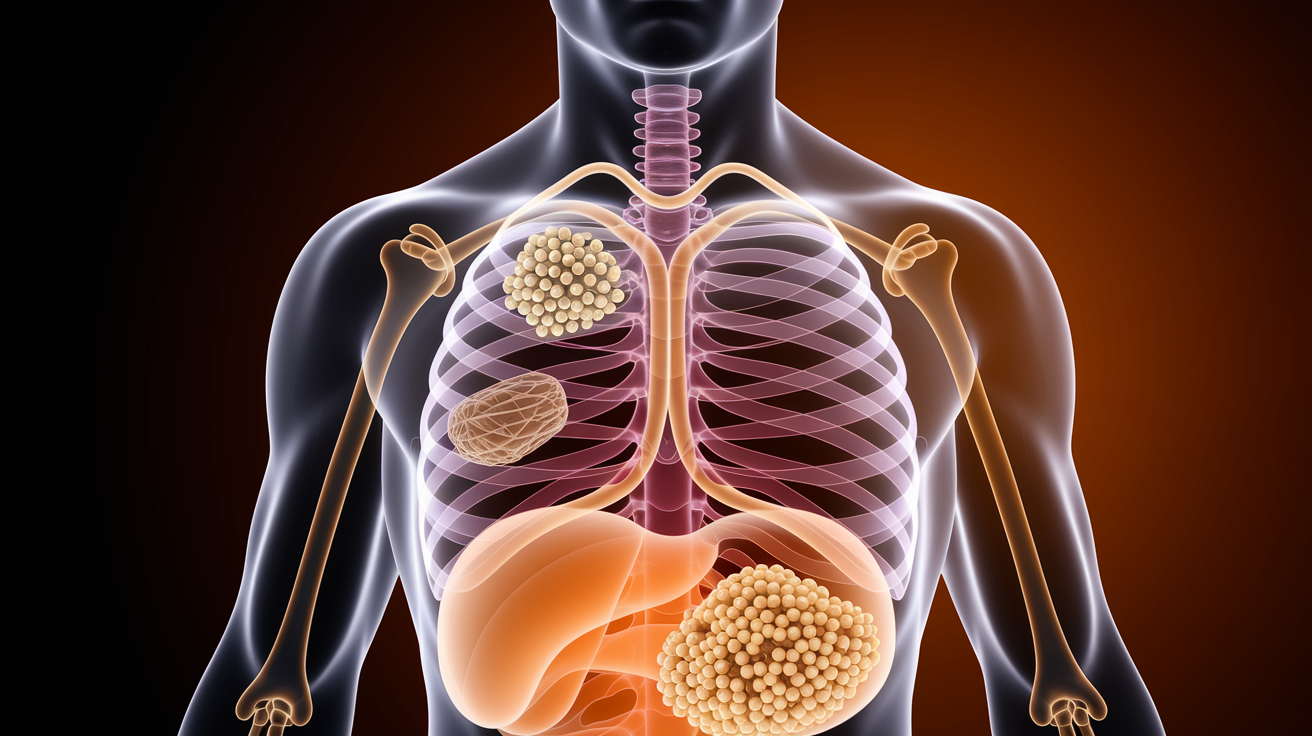
Why These Food Categories Support a Faster Metabolism
QCgkpFgnRbmjFDQQLwTjoA

Protein comes first because your body actually has to burn calories just to digest it. Somewhere between 15 and 30% of the calories in chicken, fish, eggs, or Greek yogurt get used up in the breakdown process itself. That’s called the thermic effect, and it’s real.

Fiber from spinach, broccoli, bell peppers? It slows digestion down in the right way. Your blood sugar doesn’t shoot up and crash an hour later. You don’t get that insulin spike that shoves everything into storage and leaves you tired and starving by mid-afternoon. When glucose stays level, your metabolic rate doesn’t get yanked around.

Leafy greens also bring iron and magnesium. Your thyroid needs both to make the hormones that tell your cells how fast to burn fuel. Run low on either one and your thyroid taps the brakes. Everything slows down.

Berries, green apples, citrus. They give you antioxidants and fiber without the sugar bomb you’d get from juice or dried fruit. You get vitamins and a little sweetness without sending your insulin through the roof.

Fats from olive oil, avocados, nuts, seeds. They’re part of how your body makes testosterone, thyroid hormones, leptin. All the stuff that decides whether your metabolism runs hot or cold. They also help you absorb vitamins A, D, E, and K, which your cells need to actually produce energy.

Oats, brown rice, quinoa, sweet potatoes. Because they’ve got fiber built in, they release carbs slowly. Your body stays working instead of getting a glucose dump all at once and then stalling out when it’s gone.

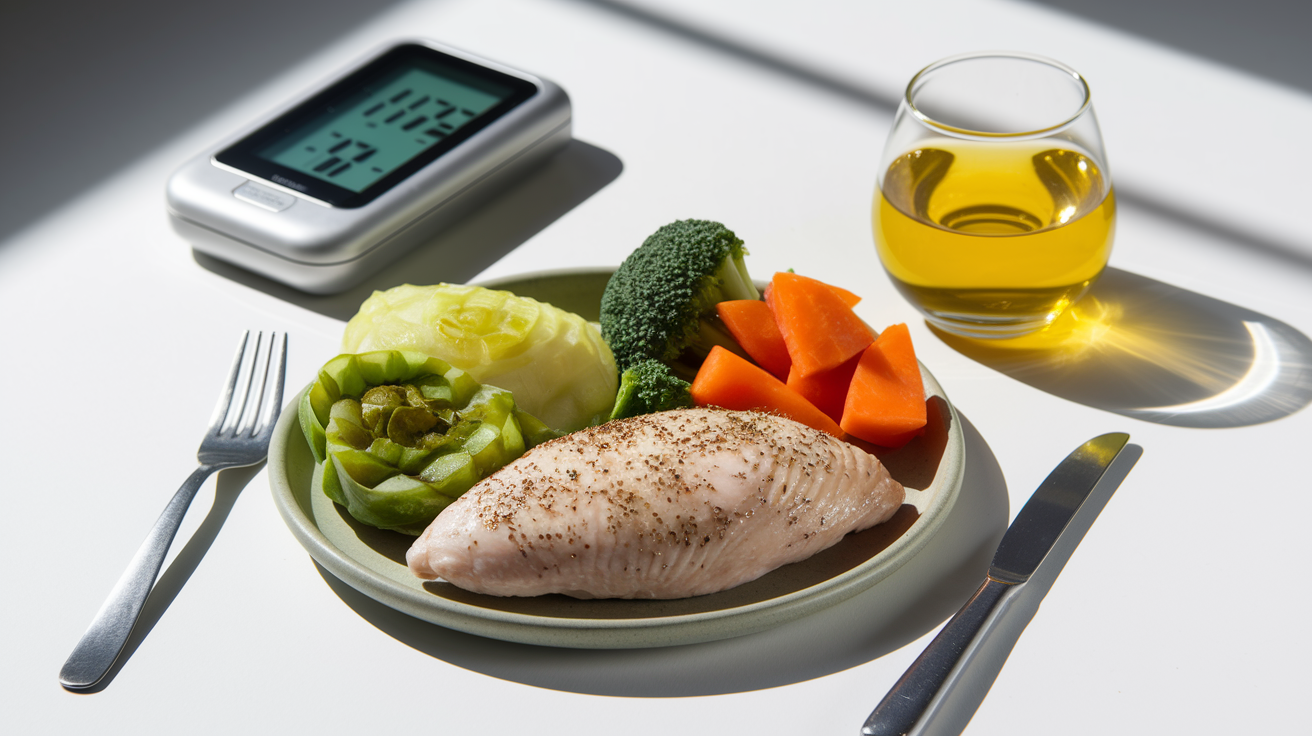
Recommended Portions and Simple Daily Use Guidelines
50lIwCKdSgGvMFaDR_XSHw

Each main meal should give you 20 to 30 grams of protein. That’s a palm-sized piece of chicken or fish. Three whole eggs. A big cup of Greek yogurt. Spread that across three meals and you keep the thermogenic effect going all day. You also stop your body from breaking down muscle when it runs out of amino acids.

Vegetables should take up about half your plate at lunch and dinner. You want 25 to 30 grams of fiber total per day. Most of it should come from greens, cruciferous vegetables, whole grains. A cup of cooked broccoli gets you 5 grams. A cup of cooked spinach, around 4. Half a cup of black beans, another 7. Hit that fiber number and you’ll stay full longer. Your digestion moves at a pace that doesn’t wreck your energy.

Healthy fats show up in small doses throughout the day. A tablespoon of olive oil on your salad. A quarter of an avocado on your sandwich. A small handful of almonds mid-afternoon. Each serving runs 120 to 160 calories. Fat digests slowly, so it keeps you full and keeps your hormones where they should be.

Eat every three to four hours. Combine protein with fiber and a little fat each time. Do that and your metabolic rate doesn’t drop into conservation mode between meals.

Smart Shopping Tips to Maintain a Metabolism-Friendly Kitchen

gmCnaiGMSQGR_G0USCPNbw

The easiest way to stay consistent is to remove the friction between the store and your dinner table. Frozen vegetables and berries lock in nutrients right at harvest. They cost less than fresh stuff that’s out of season. Stock your freezer and use them however you want.

Buy lean proteins in bulk when they’re on sale. Portion them into four-ounce servings, toss them in zip-top bags, freeze them flat so they thaw fast.

Pre-washed greens, pre-cut vegetables. If the extra two bucks means you actually eat them instead of ordering takeout, it’s worth it.

Store nuts, seeds, whole grains in airtight containers somewhere cool and dark. Keeps the oils from going rancid and the nutrients from breaking down.

Keep a running list on your phone of what’s running low. You won’t get stuck missing the staples that make weeknight cooking possible.

Shop after you’ve eaten. Hunger makes impulse buys happen. It makes high-sugar, high-sodium junk look way better than it actually is.

When you open your fridge or pantry and the building blocks are already there, you skip the decision fatigue that ends with ordering pizza. Stock the list above, rotate through it every week, and your metabolism gets the consistent fuel it needs to stay active instead of slipping into energy-saving mode.

Final Words

Grab the printable list and fill your cart with high-protein foods, fiber-rich produce, omega-3 sources, and hydration-rich items.

You’ve got a category-organized grocery list, a short explanation of why each group supports metabolism, practical portion and timing tips, and simple shopping tricks like frozen produce and bulk proteins to save time and money.

Use this smart grocery list for better metabolism as a quick shopping checklist—swap one meal a week, stick to the list, and you’ll start noticing steadier energy and easier choices.

FAQ

Q: What is the 5 4 3 2 1 grocery rule?

A: The 5 4 3 2 1 grocery rule is a simple shopping formula: buy 5 produce items, 4 protein options, 3 whole grains, 2 healthy fats, and 1 treat to keep meals balanced.

Q: What are the 5 superfoods in Metaboost?

A: The five superfoods commonly highlighted by Metaboost blends are green tea, turmeric, ginger, cinnamon, and berries; they aim to support metabolism, blood sugar balance, and inflammation.

Q: What are the top 5 foods to boost metabolism?

A: The top five foods to boost metabolism are lean protein (chicken, turkey), fatty fish (salmon), eggs, legumes (beans, lentils), and green tea, which raise calorie burn and support muscle maintenance.

Q: What is the 3-3-3 rule for weight loss?

A: The 3-3-3 rule for weight loss is a simple guideline: eat every 3 hours, target about 30 grams of protein per meal, and include at least 3 vegetable servings across the day to stay full.

Latest news

Trusted Legal Animation Service: A Smarter Way to Present Complex Evidence

Legal cases often involve complicated facts that can be challenging to explain through documents and testimony alone. From accident...

10 Healthy Eating Habits That Can Improve Your Overall Well-Being

Healthy eating is one of the most effective ways to improve your physical health, boost energy levels, and reduce...

Patent Royalty Rates: What Different Industries Actually Pay

Royalty rates vary widely by industry, and the courts rejected the old 25 percent rule of thumb. What sets a defensible rate.

Yeast Infection Causes, Symptoms, and Home Remedies

I've felt the sudden worry when something in my body changes — the itch, the odd discharge, the question of what to do next. Many people in the United States face this kind of uncertainty about vaginal health. It can feel private and stressful, yet it's very common. The vagina is a balanced ecosystem of cells, helpful bacteria, and occasional fungi. When that balance shifts, unusual discharge, itching, or burning may follow. Knowing the basics helps you act with confidence and care. If symptoms persist or you’re unsure, consult a healthcare provider to get a clear diagnosis and proper treatment. For more on overlapping conditions and how they differ, see this helpful resource on coexisting conditions here. Key Takeaways Vaginal symptoms often signal a disrupted balance of microbes and need attention. Most women will face at least one vaginal condition in their lifetime. Home care can help, but persistent or severe symptoms require professional evaluation. Distinguish this condition from other infections to ensure the right treatment. Pay attention to discharge, itching, and burning as early warning signs. Understanding the Basics of a Yeast Infection Understanding the balance between microbes and fungi is the first step to better vaginal health. "The vagina hosts a delicate balance of microbes, bacteria, and yeast living in harmony," says Dr. Taniqua Miller, a board-certified ob-gyn. — Dr. Taniqua Miller What is Candida Candida albicans is the fungus behind most cases of vaginal candidiasis. It normally lives quietly with other organisms. When the environment shifts, Candida can multiply and cause uncomfortable symptoms. Hormonal changes, antibiotics, and some medications can trigger that change. The Role of Vaginal Flora Healthy bacteria keep the vagina's pH balanced. That balance helps prevent other harmful microbes from growing out of control. A normal vaginal discharge is usually clear or white. Changes in color, smell, or texture often signal that care or a check with a provider is needed. Most women will experience at least one episode in their life. Maintaining bacteria balance supports long-term vaginal health and lowers the chance of recurrent vaginal yeast infections. Common Symptoms to Watch For Noticing new soreness, unusual discharge, or intense itching can be an early sign that your vaginal health needs attention. Typical signs include a thick, white, cottage cheese-like discharge and strong itching or burning in the vaginal area. Unlike bacterial problems, this condition usually does not produce a strong odor. Pain with urination or sex may also occur and should be discussed with your provider. "Yeast infections generally do not have a fishy smell, which helps separate them from bacterial causes," says Dr. Taniqua Miller. Distinguishing from other infections Because symptoms overlap with sexually transmitted and other infections, a pelvic exam and testing of vaginal discharge are common steps a provider will take. SignVaginal yeastBacterial vaginosisSexually transmittedDischargeThick, whiteThin, grayVaries; may be unusualOdorOften noneFishyMay have odorItching / burningIntenseLess intenseCan be presentRecommended actionTest by providerLab testsSTD panel Tip: If you are a woman experiencing these symptoms for the first time, seek professional diagnosis to rule out other causes and get the right treatment. Why Yeast Infections Occur Several common health changes make the vagina less able to keep microbes in check. What shifts the balance? High blood sugar from diabetes and a weakened immune system let the fungus Candida albicans grow faster. Taking antibiotics can kill helpful bacteria, giving the fungus room to expand and cause a vaginal yeast infection. Hormonal changes, obesity, certain sprays, and a poor diet also raise risk. Pay attention to any change in vaginal discharge — it can be an early clue that the microbial balance is off. TriggerHow it helps growthSimple preventive stepDiabetesHigher sugar fuels fungal growthControl blood glucose; discuss with providerAntibioticsReduces protective bacteriaAsk about probiotics or watch for symptomsHormones / lifestyleAlters pH and moistureChoose breathable clothes; avoid sprays Talk with a provider if you have recurrent episodes or chronic conditions. Understanding triggers is the first step toward better vaginal health and targeted treatment. When to See a Healthcare Provider When symptoms linger despite over-the-counter treatment, professional evaluation becomes important. Contact a provider if your symptoms do not improve within 72 hours of starting self-care or an OTC treatment. This helps avoid treating the wrong condition and reduces unnecessary discomfort. Women who are pregnant or who have never had a yeast infection before should always consult a clinician before using any medication. A provider can perform a pelvic exam and tests to confirm the cause and rule out other serious conditions. Seek immediate care if you have fever, severe pelvic pain, or worsening symptoms. People with weakened immune systems or those who get recurrent infections need tailored care to manage vaginal health effectively. Call your provider if home care fails within 72 hours. Report new or severe symptoms right away. Schedule regular check-ups to maintain women health and prevent repeat episodes. "Proper diagnosis is essential — treating the wrong condition can prolong symptoms," When in doubt, seek care. Your provider can offer personalized advice on treatment, prevention, and follow-up to protect your vagina and overall health. Over the Counter Treatment Options OTC antifungal choices offer convenience, yet not every product suits every case. Choosing the Right Cream Miconazole-based creams and suppositories work well for many people with a mild vaginal yeast issue. Choose a delivery you can use easily at home—topical creams or suppositories both reach the affected area. Dr. Taniqua Miller often recommends a 7-day course. A longer, gentler regimen may reduce irritation compared with 1- or 3-day options. Importance of Completing Treatment Finish the full course even if symptoms ease. Stopping early can let the problem return. Avoid scented products and douching while you treat the area. These can disrupt healing and worsen discharge or itching. If you are taking antibiotics, your provider may suggest preventive antifungal care to lower the chance of a new episode. "Completing a full course helps clear the problem and lowers the risk of recurrence," says Dr. Taniqua Miller. When to see a provider: severe itching burning, worsening symptoms, or no improvement after treatment. Prescription options include oral fluconazole or topical alternatives when OTC treatments fail. Lifestyle Changes for Better Vaginal Health Small daily habits can make a big difference in keeping the vaginal area healthy. Choosing breathable fabrics Wear loose cotton underwear to let the area breathe and reduce moisture build-up. Cotton underwear absorbs sweat and lowers the warm, damp environment that helps yeast grow. Swap wet swimwear or gym clothes quickly after exercise. Staying dry is one of the simplest ways to help control recurring problems. Hygiene practices Keep the external genital area clean and dry with gentle water and mild soap. Avoid douching and harsh scented products that disrupt natural bacteria and pH. Limit sex during an active episode to prevent extra irritation and let treatment work. If you are taking antibiotics, talk with your provider about preventive steps to lower risk. Dietary adjustments Include yogurt with live and active cultures to support healthy bacteria. Small diet shifts can help balance microbes and support recovery alongside medical treatment. For fast guidance on symptom control, see this quick 24-hour guide. Managing Recurrent Infections Recurrent vulvovaginal candidiasis is defined as four or more episodes in a single year. If you meet that threshold, your provider will suggest testing for underlying conditions such as diabetes or HIV that raise risk. Dr. Taniqua Miller notes that some people are more prone and need a long-term plan. That may include suppression treatment—regular doses of medications over several months—to help prevent future outbreaks. People with a weakened immune system often need adjusted care and closer follow-up. Watch for persistent redness, itching, or abnormal discharge, and report these symptoms promptly to your provider. Management usually blends lifestyle changes, consistent medications, and regular check-ins. Rule out other conditions that can mimic symptoms so you get proper treatments. "A tailored suppression plan and ongoing support give the best chance to regain control," says Dr. Taniqua Miller. Avoid sex until healed, follow your provider’s plan, and stay proactive. This combined approach helps people control recurrent vaginal yeast infections and reduces future risk. Debunking Myths About Transmission Not all uncomfortable vaginal changes are passed between partners; most come from internal shifts. Fact: Most cases are not considered sexually transmitted. Vaginal episodes usually reflect a change in the local balance of microbes rather than direct transmission during sex. While sex can introduce new bacteria and alter vaginal pH, it is not the primary cause for most people. Partners rarely need treatment unless symptoms appear. If a male partner develops redness or irritation consistent with balanitis, topical antifungal cream may help. Avoid sex while you treat the area to reduce discomfort and let medication work. "Understanding true modes of transmission helps reduce unnecessary worry and stigma." New research shows partners can carry bacteria linked to bacterial vaginosis, a different condition. If you’re worried, consult your provider—especially with a new partner or unusual symptoms. If diagnosed with a sexually transmitted condition, partner testing and treatment are essential to prevent reinfection. Conclusion Taking charge of your vaginal health helps you prevent minor issues from becoming persistent problems. Small habits and attention to symptoms make a big difference. Ready actions and simple self-care are effective first steps. If symptoms continue, contact your provider. Most women will face a yeast infection at some point, and many cases respond to home care. If you are unsure, skip main content searches and ask a clinician for testing and clear guidance. Prioritize women health by staying informed and keeping regular care with your provider. With the right support and steps, you can manage symptoms, prevent recurrence, and regain comfort and confidence in your overall health. FAQ What causes a vaginal Candida overgrowth? A fungus called Candida can grow too much when the balance of microbes in the vagina changes. Common triggers include recent antibiotic use, elevated blood sugar from diabetes, pregnancy, hormonal changes from birth control, and a weakened immune system. Tight or non-breathable underwear and prolonged dampness in the area can also encourage growth. How can I tell if symptoms are due to Candida or another problem? Classic signs include itching, burning, and thick, white discharge that looks like cottage cheese. Redness and soreness are common too. Bacterial infections or sexually transmitted infections often cause different discharge, a strong odor, or pelvic pain. If symptoms are unusual, severe, or come with fever, see a provider for testing. Are over-the-counter creams and suppositories effective? Yes, many topical antifungal creams and vaginal suppositories from brands like Monistat work well for uncomplicated cases. Choosing a product with proven antifungal ingredients helps. Follow the full course of treatment to reduce recurrence, even if symptoms ease early. When should I contact a healthcare provider? See a provider if it's your first episode, symptoms are severe, you have more than four episodes a year, or if you have diabetes, are pregnant, or immunocompromised. Also seek care if over-the-counter treatment fails or symptoms return shortly after finishing therapy. What home measures help prevent future episodes? Wear breathable cotton underwear, avoid tight pants for long periods, and change out of wet swimsuits or sweaty workout clothes quickly. Maintain good genital hygiene by washing with plain water and mild soap. Managing blood sugar and using antibiotics only when necessary also reduce risk. Can diet affect risk and management? Some people find cutting back on high-sugar foods and refined carbs helps, since excess sugar can feed fungal growth. Including fermented foods or a probiotic supplement may support healthy vaginal flora, but evidence varies. Discuss diet changes with your healthcare provider. Are recurrent episodes common and how are they managed? Recurrent episodes affect some people. Providers may prescribe a longer antifungal regimen or maintenance therapy. They’ll also check for underlying causes like uncontrolled diabetes or other health conditions that can weaken immune defenses. Can sexual activity cause or spread Candida? Candida is not classically a sexually transmitted disease, but intercourse can irritate the area and sometimes transfer the organism between partners. Using condoms, avoiding sex during active symptoms, and treating affected partners when recommended can help control spread. Do probiotics or yogurt help treat an active episode? Probiotics and plain yogurt with live cultures may support balancing the vaginal ecosystem but are not a reliable replacement for antifungal medication during an active episode. They can be a helpful adjunct therapy for prevention in some people. How long does it take for treatment to work? Many topical treatments relieve itching and burning within a few days, with full resolution in one to two weeks depending on the product. Oral prescription options like fluconazole can work within 1–3 days, but complete healing may take longer. Always finish the prescribed course.

The Hidden Costs of Personal Injuries in Orlando and How Victims Can Recover

Personal injuries in Orlando can create hidden costs beyond emergency bills, including follow-up care, therapy, lost wages, reduced earning capacity, transportation, home help, property...

4 Portable Wheelchair Mistakes Families Make Before a Parent’s First Purchase

Key Takeaways Match the portable wheelchair to real use before buying—short clinic trips, long family outings, and air travel usually...

Must read

You might also likeRELATED
Recommended to you