

You don’t need to eat boring food or count every calorie to support your metabolism.
Protein raises the calories your body uses to process food and helps keep blood sugar steadier after meals.
This post breaks down what protein does, who benefits most, and gives high-protein meal ideas you can make in 20 minutes or less.
The recipes aim for about 25 to 40 grams of protein per meal, curb midafternoon cravings, and fit a normal grocery run.
If you want practical meals that actually move the needle, start here.
How Protein Supports Metabolic Health + Quick‑Start Meal Ideas

Protein does more than build muscle. When you eat it, your body burns about 20 to 30% of those calories just breaking it down, a process called the thermic effect of food. Carbs only use 5 to 10% for digestion. That gap matters over weeks and months. Protein also slows glucose from hitting your bloodstream after a meal, which keeps blood sugar steadier and cuts those mid-afternoon crashes. Over time, this translates to better insulin sensitivity and lower risk of metabolic problems like type 2 diabetes.
Beyond burning calories and stabilizing blood sugar, protein keeps you full longer. It triggers satiety hormones like GLP-1 and drops ghrelin, the hunger signal. You’re less likely to hunt for snacks an hour after eating. Protein also protects lean muscle during weight loss, and muscle burns more calories at rest than fat does. The practical move is simple: aim for 25 to 40 grams of protein at each meal, pair it with fiber and healthy fats, and you’ll support metabolic flexibility without overthinking macros.
Here are three quick meals you can start with today.
-
Greek Yogurt Power Bowl – 200 g plain Greek yogurt, 30 g mixed seeds (pumpkin, chia, sunflower), 50 g fresh blueberries, and a drizzle of honey. Protein: ~26 g.
-
Tuna and Chickpea Salad – 1 can (85 g drained) chunk light tuna, 150 g canned chickpeas (rinsed), chopped cucumber, cherry tomatoes, olive oil, lemon juice, and black pepper over 2 cups mixed greens. Protein: ~32 g.
-
One-Pan Lemon Chicken with Broccoli – 150 g boneless skinless chicken breast, 200 g steamed broccoli, 1 tablespoon olive oil, lemon zest, garlic, and a sprinkle of Parmesan. Protein: ~38 g.
Each of these fits into a normal grocery run, takes less than 20 minutes, and delivers protein in the range that supports metabolic health without needing a food scale or macro calculator.
High‑Protein Breakfast Ideas for Steady Morning Energy

A breakfast with 20 to 30 grams of protein sets the tone for stable blood sugar and sustained energy until lunch. Protein early in the day helps regulate hormones like insulin and cortisol, both of which influence how your body stores or burns fat throughout the day. Skip protein at breakfast and you’ll likely hit a mid-morning hunger wall that sends you hunting for pastries or a second coffee.
Here are four breakfast options that deliver.
High-Protein Omelet – 3 large eggs scrambled with 50 g cottage cheese, 50 g spinach, and diced tomatoes. Season with black pepper and a pinch of salt. Protein: ~24 g. This cooks in under 5 minutes and pairs well with half a slice of whole-grain toast if you want a bit more carbohydrate.
Smoked Salmon Toast – 1 slice whole-grain bread, 75 g smoked salmon, 2 tablespoons cream cheese, sliced cucumber, and a squeeze of lemon. Protein: ~20 g. This is a go-to for busy mornings because there’s no cooking involved.
Protein Smoothie – 1 scoop (25 g) vanilla whey protein powder, 200 ml unsweetened almond milk, 100 g frozen blueberries, 1 tablespoon almond butter, and ice. Protein: ~30 g. Blend it in 60 seconds. If you’re dairy-free, swap whey for pea or hemp protein.
Egg Muffins (Meal-Prep Option) – Whisk 6 large eggs with 100 g diced bell peppers, 50 g shredded cheese, and 100 g cooked turkey sausage. Pour into a 6-cup muffin tin and bake at 180°C (350°F) for 20 minutes. Protein: ~18 g per 2-muffin serving. These keep in the fridge for 4 days and reheat in 30 seconds, making them the easiest weekday breakfast if you batch-cook on Sunday.
High‑Protein Lunch Ideas for Blood Sugar Balance

Midday is when a lot of people crash. A lunch built around lean protein and fiber keeps your blood sugar from spiking and then tanking an hour later, which is what happens when you eat a sandwich made mostly of white bread and a handful of chips. Protein at lunch also cuts the odds you’ll raid the snack drawer at 3 p.m. The key is keeping prep simple so you actually make it instead of defaulting to takeout.
Grilled Chicken and Quinoa Bowl – 120 g grilled chicken breast, 100 g cooked quinoa, 1 cup steamed broccoli, 1 tablespoon tahini, and a squeeze of lime. Protein: ~38 g. This bowl covers protein, fiber, and healthy fats in one dish. If you batch-cook chicken and quinoa on Sunday, assembly takes 3 minutes. Swap tahini for a drizzle of olive oil if you don’t have it on hand.
Turkey and Avocado Wrap – 1 whole-grain tortilla, 100 g sliced deli turkey (look for low-sodium options), half an avocado, 50 g shredded lettuce, sliced tomato, and mustard. Protein: ~28 g. This wrap is portable and doesn’t need refrigeration for a few hours, which makes it good for packed lunches. Add 30 g hummus inside the wrap for an extra 2 to 3 grams of protein and better flavor.
Lentil and Kale Salad – 150 g cooked green lentils, 2 cups chopped kale (massaged with a bit of olive oil to soften it), 50 g crumbled feta cheese, cherry tomatoes, and a lemon vinaigrette. Protein: ~22 g. Lentils are one of the few plant proteins that deliver significant fiber alongside the protein, which helps slow digestion and keep you full. If you’re vegetarian, this is a solid midday anchor.
Low-Carb Tuna Lettuce Cups – 1 can (85 g drained) chunk light tuna mixed with 1 tablespoon Greek yogurt, diced celery, and a squeeze of lemon, spooned into 4 large butter lettuce leaves. Protein: ~22 g. This is the lunch to make when you want something light but filling. It works as a snack too if you halve the portion. The Greek yogurt adds creaminess without the mayo calories, and the lettuce keeps it crunchy without bread.
High‑Protein Dinner Ideas for Evening Metabolic Support
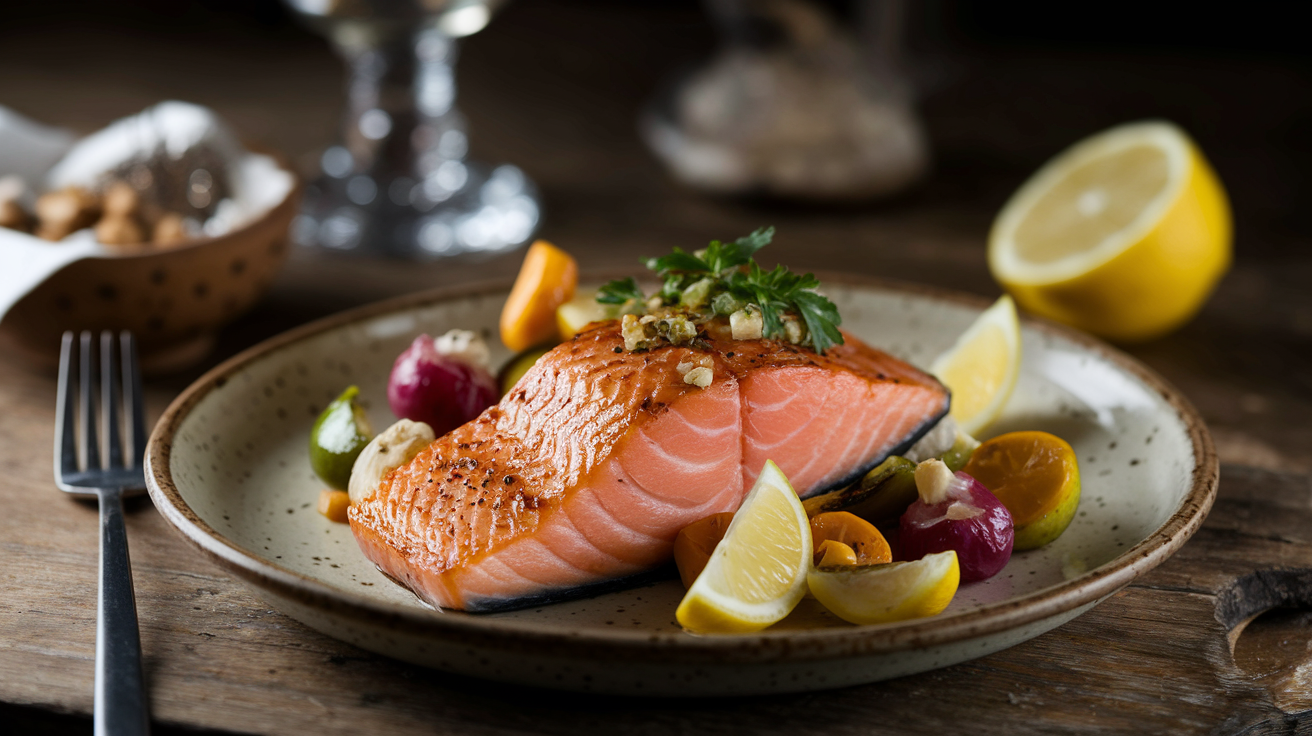
Eating 30 to 40 grams of protein at dinner supports overnight muscle repair and helps stabilize blood sugar before you sleep. A protein-rich evening meal also cuts the chance you’ll wake up hungry at 2 a.m. or feel the need to snack late at night. The recipes below are simple enough for a weeknight but satisfying enough that no one at the table feels like they’re eating “diet food.”
Pan-Seared Salmon with Roasted Vegetables – 150 g salmon fillet, 200 g mixed vegetables (bell peppers, zucchini, cherry tomatoes), 1 tablespoon olive oil, garlic, and lemon. Protein: ~34 g. Roast the vegetables at 200°C (400°F) for 20 minutes, sear the salmon skin-side down in a hot pan for 4 minutes, flip for 2 minutes, and you’re done. Salmon provides omega-3 fats alongside the protein, which supports insulin sensitivity.
One-Pot Turkey and Lentil Ragù – 150 g lean ground turkey (93% lean), 100 g cooked brown lentils, 200 g canned tomatoes, 50 g spinach, garlic, and Italian herbs. Protein: ~40 g. This cooks in one pot in about 30 minutes. Serve it over zucchini noodles or a small portion of whole-grain pasta. The lentils add fiber and extra protein, and the turkey keeps it lean.
Grilled Chicken Thighs with Cauliflower Rice – 150 g boneless skinless chicken thighs, 200 g riced cauliflower, 1 tablespoon coconut oil, garlic, and lime zest. Protein: ~36 g. Chicken thighs stay juicier than breasts and cook faster on a grill or stovetop pan. Cauliflower rice is a low-carb swap that still feels like a full plate. If you buy pre-riced cauliflower, this dinner is ready in 15 minutes.
Beef and Barley Stew – 130 g lean beef stew meat, 50 g pearl barley, 200 g mushrooms, beef broth, and herbs. Protein: ~40 g. This is a weekend or slow-cooker meal. Cook it for 90 minutes on the stovetop or 6 hours on low in a slow cooker. Barley adds fiber and a chewy texture that makes the stew feel hearty. Portion it into containers for 2 to 3 dinners during the week.
High‑Protein Snacks That Prevent Cravings
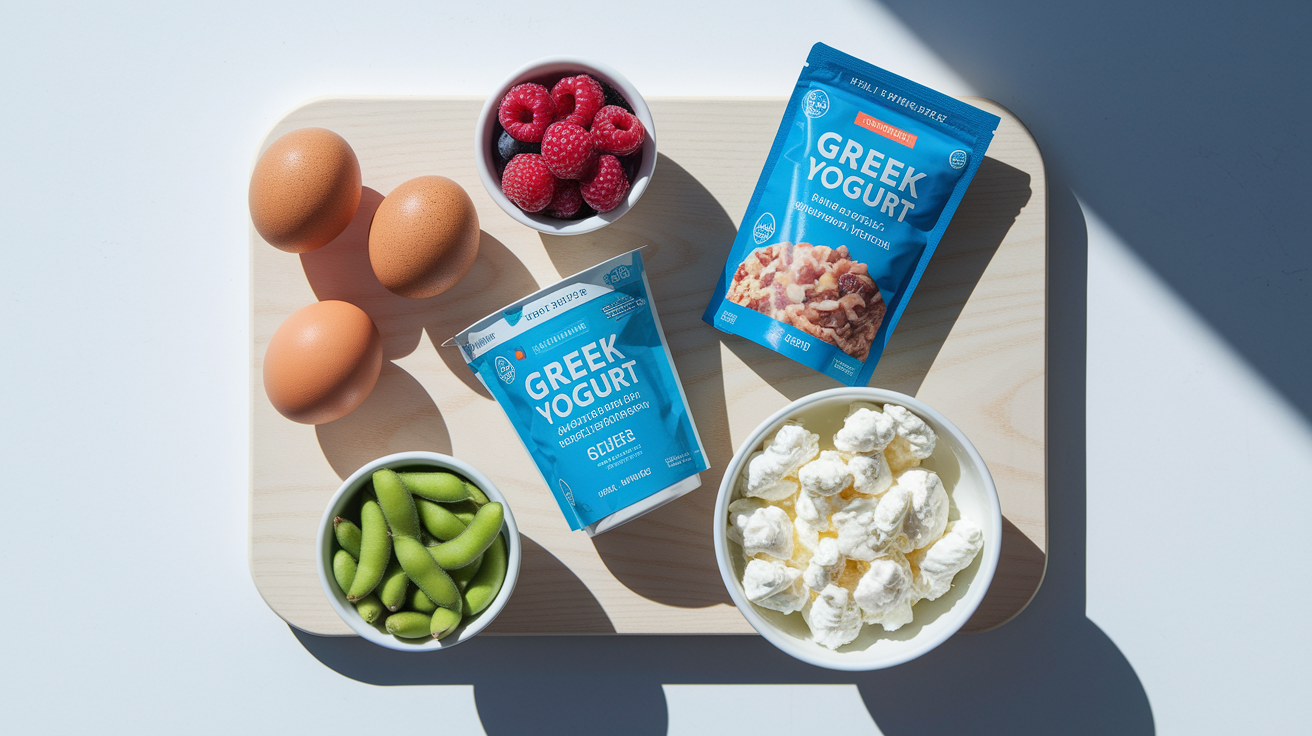
Protein-rich snacks smooth out blood sugar between meals and cut the glycemic rollercoaster that leads to cravings. A snack with at least 10 to 15 grams of protein will hold you over for 2 to 3 hours without triggering an insulin spike. The best snacks are portable, need minimal prep, and don’t require refrigeration if you’re eating them on the go.
-
Hard-Boiled Eggs – 2 large eggs. Protein: ~12 g. Boil a batch of 6 to 8 on Sunday and keep them in the fridge. They last 5 days and travel well in a small container.
-
Greek Yogurt with Almonds – 150 g plain Greek yogurt and 20 g roasted almonds. Protein: ~18 g. This combination gives you protein from the yogurt and healthy fats from the almonds, which slows digestion even more.
-
Canned Tuna Pouch – 1 single-serve pouch (85 g drained) chunk light tuna with a handful of whole-grain crackers. Protein: ~20 g. Tuna pouches don’t need a can opener or refrigeration, so they’re good for a desk drawer or gym bag.
-
Edamame (Dairy-Free) – 1 cup shelled edamame, lightly salted. Protein: ~17 g. You can buy frozen edamame and microwave it in 3 minutes. It’s one of the few plant snacks that delivers complete protein.
-
Cottage Cheese and Berries (Vegetarian) – 150 g low-fat cottage cheese with 50 g fresh strawberries. Protein: ~18 g. Cottage cheese is casein-rich, which digests slowly and keeps you full longer. If you don’t like the texture, blend it smooth and use it as a dip for apple slices.
Meal‑Prep Guide for a High‑Protein, Metabolically Supportive Week
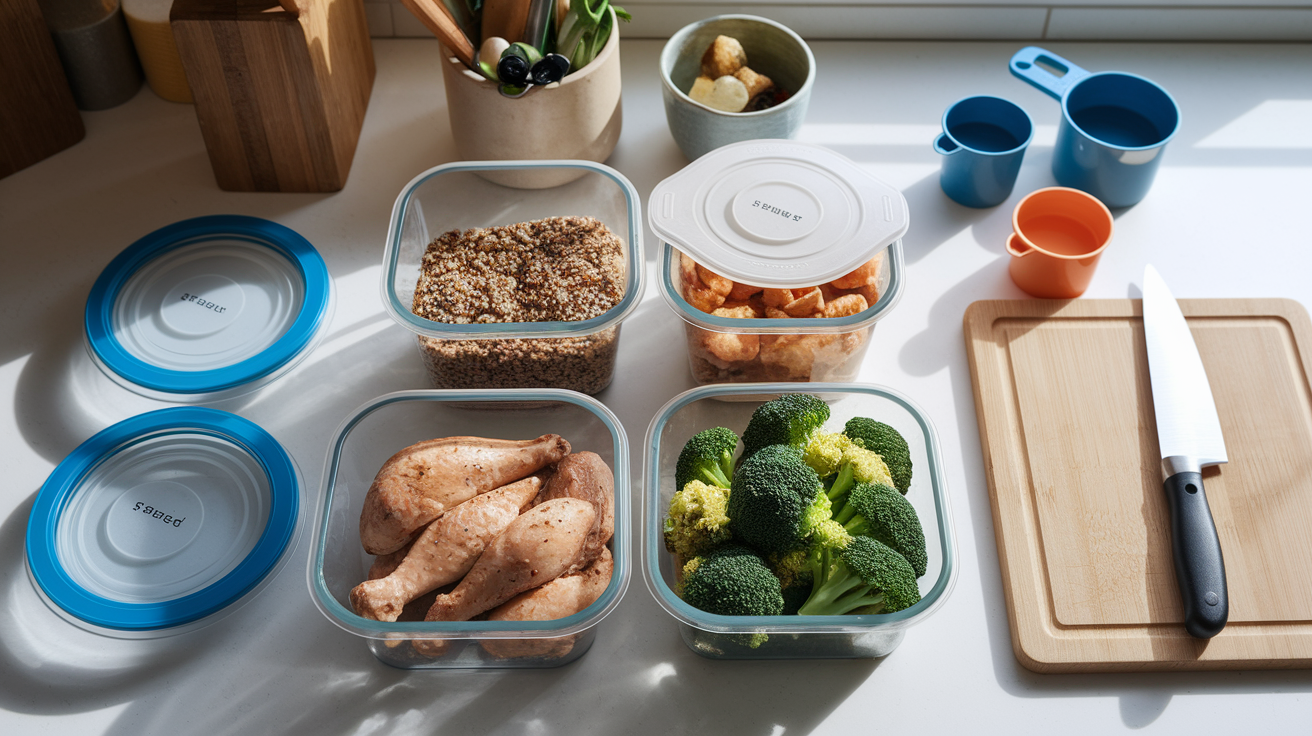
Batch cooking proteins and prepping vegetables once a week removes the daily decision fatigue that leads to ordering takeout. When your fridge already has cooked chicken, portioned lentils, and chopped vegetables, putting together a balanced meal takes 5 minutes instead of 45. Consistency is what moves the needle on metabolic health, and meal prep makes consistency easier.
-
Cook 2 to 3 Proteins in Bulk – Bake 1 kg boneless skinless chicken breasts at 190°C (375°F) for 25 minutes, boil 8 large eggs for 10 minutes, and pan-fry 400 g extra-firm tofu with a bit of soy sauce and garlic. Portion each protein into 4 to 6 containers. Label them if you share a fridge. This gives you ready-to-eat protein for lunches, dinners, and snacks all week.
-
Prep Vegetables and Grains – Chop 500 g broccoli, 300 g bell peppers, and 200 g kale. Store them in separate containers or bags. Cook 400 g dry quinoa or brown rice (which yields about 1.2 kg cooked). Cooked grains keep in the fridge for 4 days and in the freezer for 2 months. Pre-prepped vegetables cut your weeknight cook time in half.
-
Assemble 3 to 4 Full Meals – Use your cooked proteins, grains, and vegetables to build complete meals in glass or plastic containers. For example, combine 150 g chicken, 100 g quinoa, and 150 g broccoli in one container and drizzle with tahini before sealing. Make 3 to 4 of these for grab-and-go lunches or dinners. Add a lemon wedge or small container of dressing on the side to keep things from getting soggy.
-
Freeze Extra Portions – If you cooked more than you’ll eat in 4 days, freeze it. Fully cooked one-pot meals, cooked chicken, and cooked lentils all freeze well for 2 to 3 months. Thaw them in the fridge overnight or microwave from frozen. This turns one Sunday afternoon of cooking into two weeks of meals.
High‑Protein Shopping List for Metabolic Health
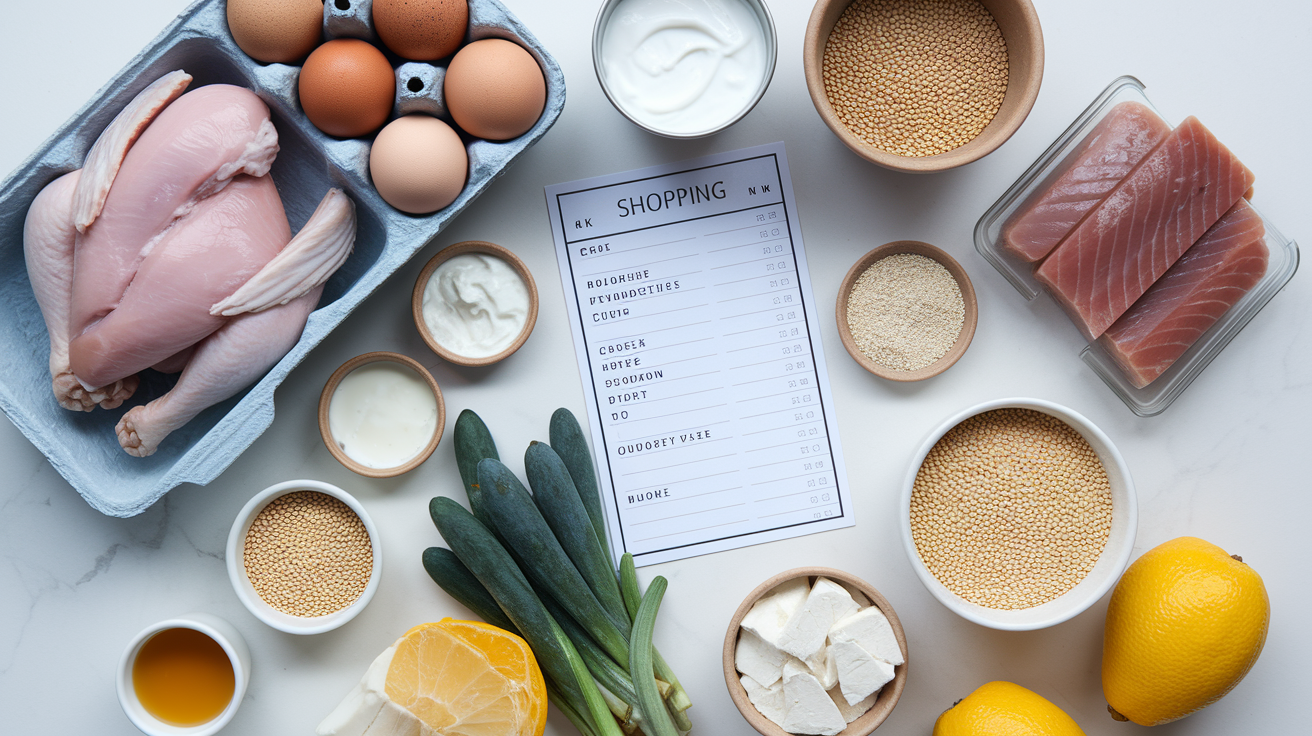
Stock your kitchen with these staples and you’ll always be one quick meal away from hitting your protein target. This list focuses on lean proteins, fiber-rich carbs, and healthy fats that support metabolic flexibility without requiring a specialty store or a big budget.
- Boneless skinless chicken breasts – Buy 1 to 2 kg and freeze what you won’t use in 3 days.
- Eggs – A dozen large eggs gives you 72 grams of protein and lasts 3 to 4 weeks in the fridge.
- 5%-fat Greek yogurt – Plain, unsweetened. Look for brands with 15 to 20 g protein per 200 g serving.
- Canned tuna or salmon – Chunk light tuna is lower in mercury. Buy 4 to 6 cans.
- Extra-firm tofu – 400 g block provides about 40 g protein. Press and pan-fry it for better texture.
- Lentils (dry or canned) – Green or brown lentils work in soups, salads, and bowls. One cup cooked = 18 g protein.
- Lean ground turkey (93% lean) – Swap it into any recipe that calls for ground beef.
- Cottage cheese (low-fat) – Use it in omelets, smoothies, or as a snack. Look for versions with less than 400 mg sodium per serving.
- Almonds or mixed nuts – Buy unsalted or lightly salted. A 30 g handful = 6 g protein.
- Frozen shrimp (peeled, deveined) – Thaws in 10 minutes under cold water. 100 g cooked = 24 g protein.
- Quinoa or farro – Both are higher-protein grains. Quinoa cooks in 15 minutes, farro in 25.
- Edamame (frozen, shelled) – Microwave-ready plant protein. Keep a bag in the freezer.
The Science Behind Protein and Metabolic Regulation

Protein affects metabolism at multiple levels, starting with digestion. When you eat protein, your body uses 20 to 30% of those calories just to break down and absorb the amino acids. That’s the thermic effect of food. Carbs only burn 5 to 10% of their calories during digestion, and fats burn even less. Over the course of a day, this difference can add up to an extra 50 to 100 calories burned without any additional exercise. That’s not magic, but it does mean that two people eating the same total calories will see different metabolic outcomes if one eats more protein and the other eats more refined carbs.
Protein also plays a direct role in preserving lean muscle mass, especially during weight loss or aging. Muscle tissue is metabolically active. It burns calories even when you’re sitting still. When you lose weight without adequate protein, you lose both fat and muscle. Losing muscle lowers your resting metabolic rate, which is why people often regain weight quickly after a low-protein diet. Eating 1.2 to 2.0 grams of protein per kilogram of body weight helps protect muscle during a calorie deficit and supports muscle repair after exercise. For a 70 kg person, that’s about 84 to 140 grams of protein per day, spread across 3 to 4 meals.
Protein improves blood sugar regulation by slowing gastric emptying and cutting post-meal glucose spikes. When you eat protein alongside carbohydrates, digestion slows down, and glucose enters your bloodstream more gradually. This steadier glucose curve reduces insulin demand and improves insulin sensitivity over time. Research shows that replacing 10 to 20% of calories from refined carbs with protein can lower fasting blood sugar and HbA1c in people at risk for type 2 diabetes. Practically, this means starting your meal with protein, pairing your afternoon snack with a protein source, and making sure dinner isn’t just pasta or rice with a token piece of chicken on the side.
Final Words
Start with the quick how-protein-helps note and the three ready meals to get going. This post also gives breakfast, lunch, dinner, snacks, a shopping list, meal-prep steps, and the science behind it.
Aim for 20 to 40 grams of protein per meal, add fiber and a little healthy fat, and batch-cook one or two proteins. That combo supports thermogenesis, muscle repair, and steadier blood sugar.
These high-protein meal ideas for metabolic health are simple swaps you can start this week. Do one change and you’ll likely feel steadier and more in control.
FAQ
Q: What are high-protein foods that boost metabolism?
A: High-protein foods that boost metabolism include lean meats, fish, eggs, Greek yogurt, cottage cheese, tofu, tempeh, legumes, and whey. They raise calorie burn after meals and help you stay full longer, so pair them with fiber.
Q: How to get 40g of protein every meal?
A: To get 40g of protein every meal, center the plate on a large protein portion (150–200 g cooked meat or fish, 1 cup Greek yogurt plus nuts, or 1 cup lentils plus tofu). Add veg and a whole grain.
Q: What is the healthiest high-protein dinner and what to eat when you’re tired of chicken?
A: The healthiest high-protein dinner focuses on whole proteins and variety—salmon, lean beef, tempeh, or legume bowls hitting 30–40 g. If you’re tired of chicken, rotate to fish, tofu, eggs, or bean-based meals.

