

What if the right foods on your plate quietly boost your metabolism more than another hour at the gym?
Protein, fiber, healthy fats, and a few key minerals actually change how your body uses energy.
Science shows protein raises the calories burned during digestion, fiber steadies blood sugar, and omega-3s lower inflammation.
This post breaks down the best, research-backed foods, what they do, who benefits most, and simple swaps you can use this week.
No fads. Just practical choices that move the needle.
Key Foods That Support Metabolic Health

Protein-rich foods deliver the highest thermic effect of any macronutrient. Your body burns more calories just digesting them. When you eat a high-protein meal, about 20 to 30% of those calories get spent on digestion and processing. Compare that to only 5 to 10% for carbs and 0 to 3% for fats. That difference adds up, especially when protein shows up at every meal.
Fiber-rich foods support metabolic function differently. Soluble fiber slows glucose absorption, which keeps blood sugar steady and reduces insulin spikes. When gut bacteria ferment fiber, they produce short-chain fatty acids that improve how your body uses fat and regulates blood sugar. Foods high in both protein and fiber keep you full longer. You’re less likely to overeat later.
Micronutrients like magnesium, selenium, iodine, and B vitamins act as essential cofactors in the metabolic pathways that convert food into energy. Without enough of these, even a well-balanced diet won’t perform at full capacity. Antioxidant-rich foods reduce chronic low-grade inflammation, which is linked to insulin resistance and slower metabolic rate over time.
Top metabolism-supporting foods include:
- Eggs (complete protein, choline, vitamin D)
- Salmon (omega-3 fatty acids, high-quality protein, vitamin D)
- Greek yogurt (protein, probiotics for gut health)
- Berries (fiber, polyphenols, low sugar per serving)
- Leafy greens (magnesium, fiber, antioxidants)
- Oats (soluble fiber, whole-grain carbs that stabilize blood sugar)
High-Protein Foods That Enhance Thermogenesis

Protein increases the number of calories your body burns during digestion. This thermic effect means that for every 100 calories of protein you eat, your body uses about 20 to 30 of those calories just to break it down, absorb it, and store or use what’s left. That’s a real bump when you’re eating protein at every meal.
Beyond the immediate calorie burn, protein helps preserve lean muscle mass during weight loss. Muscle tissue burns more calories at rest than fat tissue does. Keeping muscle intact supports a higher baseline metabolic rate over time.
Lean protein sources also stabilize blood sugar by slowing the absorption of carbohydrates when eaten together. A meal with protein and fiber produces a smaller, slower rise in glucose. That reduces insulin demand and lowers the chance of a mid-afternoon energy crash. Regular protein intake throughout the day keeps hunger more predictable and makes it easier to stick to portion sizes that support your goals.
Top high-protein foods for metabolic support:
- Chicken breast, turkey, lean beef
- Salmon, sardines, other fatty fish
- Eggs (one egg contains about 6 grams of protein and all vitamins except C)
- Greek yogurt, cottage cheese
- Beans, lentils, chickpeas (plant protein with fiber)
- Tofu, tempeh, edamame
Fiber-Rich Foods for Better Glucose Control
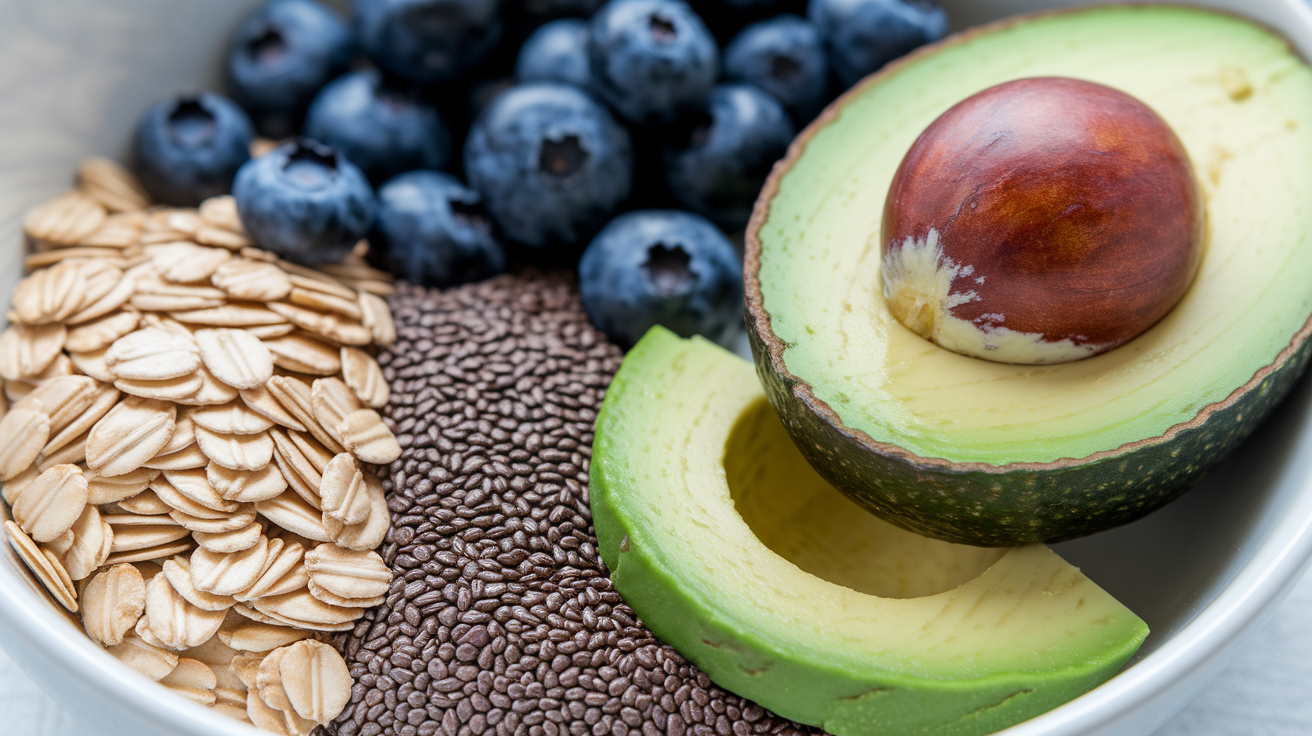
Soluble fiber dissolves in water and forms a gel-like substance in your digestive tract. This slows the movement of food through your stomach and small intestine. Glucose gets absorbed more gradually. The result is a smaller, steadier rise in blood sugar after meals and less work for your pancreas to produce insulin. Over time, that pattern is associated with better insulin sensitivity and lower risk of developing metabolic issues.
Fiber also feeds beneficial bacteria in your gut. When those bacteria ferment fiber, they produce short-chain fatty acids like butyrate. These improve how your liver and muscles handle glucose and fat. A diverse, fiber-rich diet supports a healthier gut microbiome. Emerging research links gut health to improved metabolic markers across the board.
High-fiber foods that support glucose control:
- Lentils (half a cup cooked provides roughly one-third of your daily fiber needs)
- Oats and oat bran (beta-glucan fiber that also lowers LDL cholesterol)
- Chia seeds and flaxseeds (1 tablespoon of flaxseed daily may improve glycemic control in some studies)
- Avocado (about 10 grams of fiber per fruit)
- Berries, especially raspberries and blackberries
- Beans and legumes (black beans, chickpeas, kidney beans)
Healthy Fats That Support Long-Term Metabolic Stability
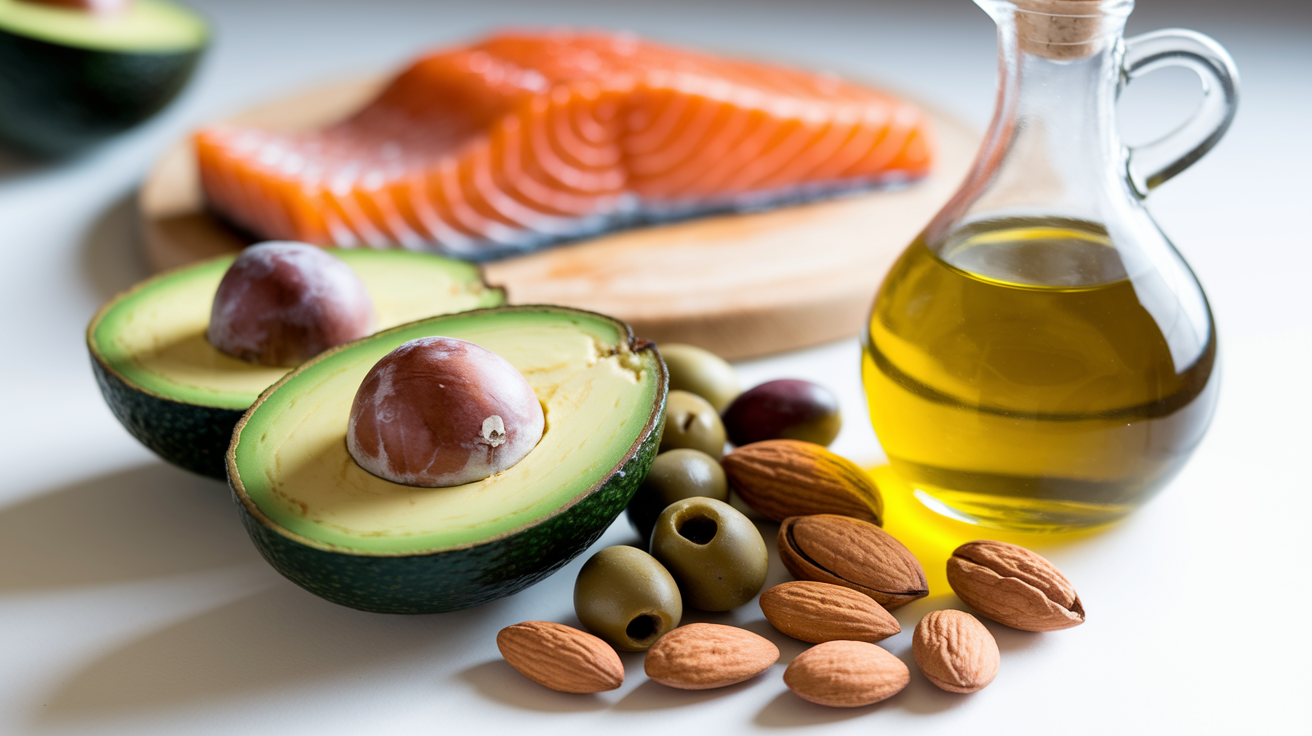
Monounsaturated and polyunsaturated fats improve insulin sensitivity. They help regulate hormones that control hunger and energy use. Unlike refined carbohydrates, which can cause sharp glucose swings, healthy fats provide a slow, steady source of energy. Blood sugar stays more stable between meals. That stability reduces cravings and makes it easier to maintain consistent energy throughout the day.
Omega-3 fatty acids have a specific anti-inflammatory effect that benefits metabolic health. You’ll find them in fatty fish, walnuts, chia, and flax. Chronic low-grade inflammation is linked to insulin resistance and weight gain, especially around the midsection. By lowering inflammatory markers, omega-3s support better glucose regulation and fat metabolism.
Avocados, olives, and extra-virgin olive oil supply monounsaturated fats that work similarly. They improve lipid profiles and help the body use stored fat more efficiently. These fats also slow gastric emptying, so meals that include them keep you full longer and reduce the total number of calories you eat over the course of a day.
Micronutrients Essential for Metabolic Processes

B vitamins play a direct role in converting the carbohydrates, fats, and proteins you eat into usable energy. Thiamin, riboflavin, niacin, pantothenic acid, B6, biotin, folate, and B12 each support specific steps in cellular energy production. Without adequate B vitamins, those pathways slow down. You may feel fatigued even when calorie intake is sufficient. Meat, fish, eggs, legumes, whole grains, and leafy greens are reliable sources.
Magnesium regulates over 300 enzyme reactions in the body, including those that control blood sugar and insulin sensitivity. Low magnesium intake is common. It’s been linked to higher rates of metabolic syndrome. Pumpkin seeds, almonds, cashews, spinach, and black beans are all rich in magnesium.
Selenium supports thyroid hormone production and protects cells from oxidative damage. Brazil nuts are an especially concentrated source. One to two nuts per day is usually enough to meet your needs.
Iodine is another thyroid-critical nutrient. Thyroid hormones regulate your basal metabolic rate, so inadequate iodine can slow metabolism noticeably. Seaweed, iodized salt, fish, and dairy provide iodine in varying amounts. Vitamin D, found in fatty fish, egg yolks, and fortified dairy, also plays a role in insulin secretion and glucose regulation. Deficiency is widespread in populations with limited sun exposure.
| Nutrient | Primary Role | Top Food Sources |
|---|---|---|
| B Vitamins | Convert food into cellular energy | Meat, fish, eggs, legumes, whole grains, leafy greens |
| Magnesium | Regulates glucose and insulin sensitivity | Pumpkin seeds, almonds, cashews, spinach, black beans |
| Selenium | Supports thyroid hormone production | Brazil nuts (1–2/day), seafood, meat |
| Iodine | Essential for thyroid function and metabolic rate | Seaweed, iodized salt, fish, dairy |
| Vitamin D | Improves insulin secretion and glucose regulation | Salmon, sardines, egg yolks, fortified dairy |
Foods That Can Slow Metabolic Function

Ultra-processed foods, high in refined carbohydrates and added sugars, cause rapid spikes in blood glucose followed by sharp drops. Over time, repeated spikes demand more insulin. Cells become less responsive to that insulin. The result is higher baseline glucose, more fat storage, and a metabolism that’s less efficient at burning calories.
These foods also tend to be low in fiber and protein, so they don’t keep you full. That pattern leads to more frequent eating and higher total calorie intake.
Trans fats and excessive intake of certain refined oils increase systemic inflammation and disrupt normal metabolic signaling. Inflammation interferes with insulin receptors on cells, making it harder for glucose to enter muscle and liver tissue. That glucose stays in the bloodstream longer, which increases fat storage and raises the risk of metabolic dysfunction. Even when total calories are controlled, the quality of those calories matters. Replacing processed snacks and sugary drinks with whole foods often improves metabolic markers within weeks.
Foods and patterns that undermine metabolic health:
- Sugary beverages (soda, sweetened coffee drinks, fruit juices with added sugar)
- Highly refined grains (white bread, pastries, sugary cereals)
- Trans fats and partially hydrogenated oils (found in some packaged baked goods and fried foods)
Sample Meals That Support Metabolic Health
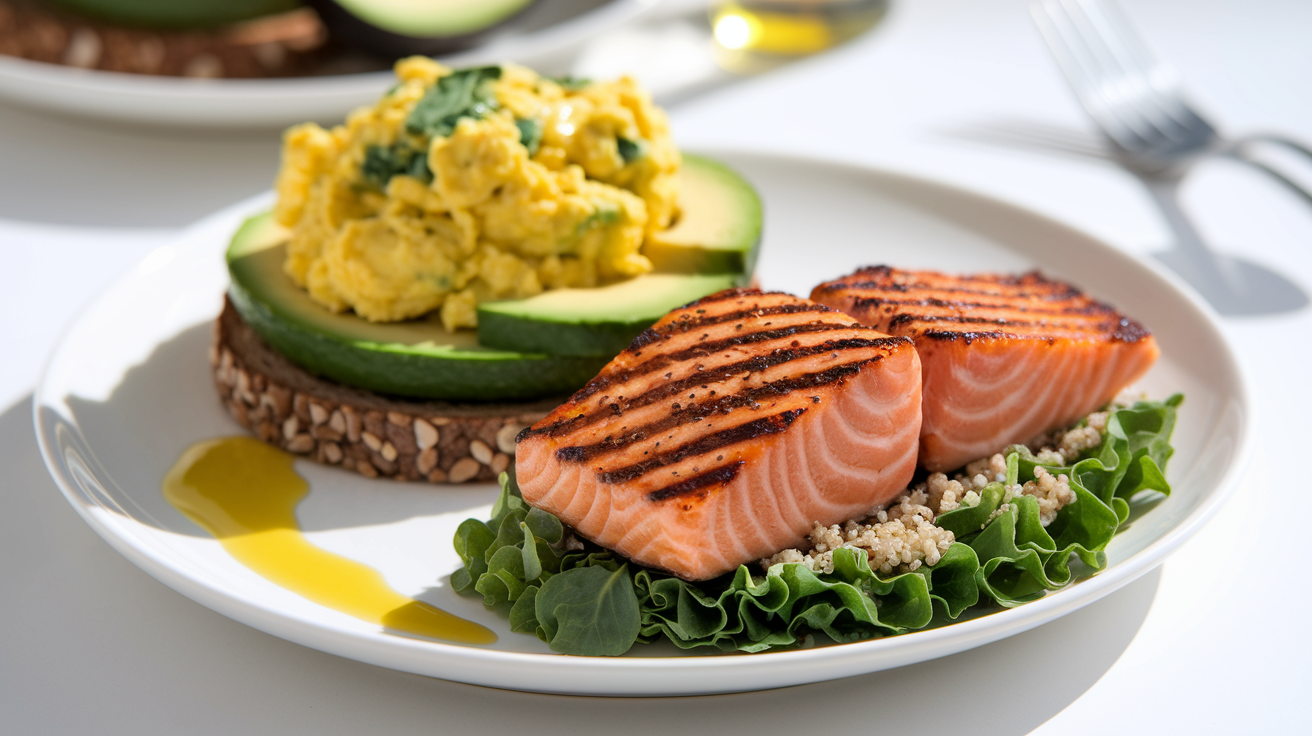
A metabolism-friendly meal combines protein, fiber, and healthy fats in roughly equal visual portions on the plate. That combination slows digestion, keeps blood sugar steady, and increases the thermic effect of the meal. Whole-food ingredients outperform isolated supplements or single “superfoods” because they deliver a range of micronutrients and bioactive compounds that work together.
The goal isn’t perfection at every meal. It’s a pattern that makes those combinations the default most days of the week.
Practical meals don’t require recipes or special ingredients. A scrambled egg with sautéed spinach and a quarter of an avocado on whole-grain toast hits all three targets. A bowl of Greek yogurt with a handful of berries, a tablespoon of chia seeds, and a few chopped almonds does the same. For lunch or dinner, a palm-sized portion of grilled salmon or chicken over a bed of leafy greens with olive oil, lemon, and a half-cup of lentils or quinoa is simple and effective. Snacks can be as straightforward as a hard-boiled egg, a small handful of nuts, or raw vegetables with hummus.
Sample metabolism-supporting meals:
- Breakfast: Two eggs scrambled with spinach, half an avocado, and a slice of whole-grain toast
- Lunch: Grilled chicken breast over mixed greens, cherry tomatoes, cucumber, olive oil dressing, and half a cup of chickpeas
- Dinner: Baked salmon with roasted broccoli and cauliflower, a side of quinoa, and a drizzle of tahini
- Snack: Plain Greek yogurt topped with a handful of blueberries and 1 tablespoon of ground flaxseed
- Smoothie: Unsweetened almond milk, one scoop protein powder, half a cup of frozen berries, 1 tablespoon almond butter, and a handful of spinach
Final Words
Start with the basics: protein to boost calorie burn, fiber to steady blood sugar, and healthy fats to lower inflammation. We also covered key vitamins and minerals, foods to avoid, and sample meals you can use.
You got quick lists of specific choices—eggs, salmon, Greek yogurt, berries, leafy greens, oats—and simple meal ideas for breakfast, lunch, dinner, snacks, and smoothies.
Choosing foods that improve metabolic health is about small, consistent swaps, not perfect rules. Try one swap this week and see what fits your routine.
FAQ
Q: What are the top 5 foods to boost metabolism? / What are the five metabolic superfoods?
A: The top five metabolism-boosting foods—the metabolic superfoods—are eggs, salmon, Greek yogurt, oats, and leafy greens, providing protein, healthy fats, fiber, and key micronutrients for metabolic support.
Q: What is the biggest metabolism killer?
A: The biggest metabolism killer is frequent intake of ultra-processed foods high in added sugars and trans fats, which increase inflammation, impair insulin response, and undermine metabolic health over time.
Q: What is the 3 3 3 rule for weight loss?
A: The 3 3 3 rule for weight loss isn’t standardized. A common, practical version: three balanced meals, three servings of vegetables daily, and reassess progress every three weeks.

