

Think savory entrees can’t hide extra sugar? Think again.
Most menus skip ingredient lists, so those few words are your clue, and this post lays out the quickest signals, words such as glazed, candied, house syrup, and the simple questions to ask servers.
You’ll learn how to scan a menu in seconds, spot high-risk drinks and sauces, and make small swaps that cut added sugar without wrecking the meal.
Read on to stop accidental sugar splurges and keep your plate closer to what you intended.
Key Menu Signals That Reveal Added Sugars in Restaurant Dishes
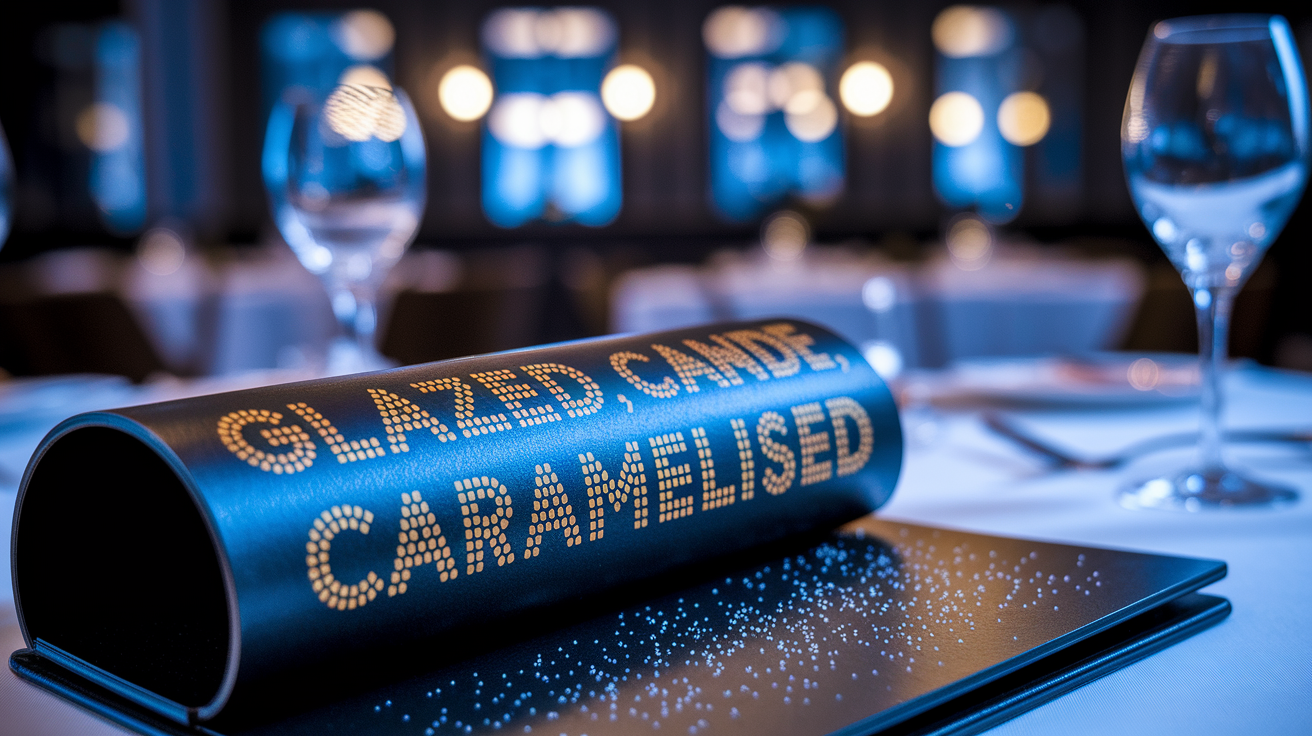
Most restaurants won’t print ingredient lists or nutrition facts on menus, so the words on the page are usually all you’ve got. And certain words show up over and over when a dish has been sweetened, glazed, or dressed with a sugar-heavy sauce. Once you know these terms, you can scan a menu in seconds and spot the items that’ll blow through your daily limit before you even order.
Words like “glazed,” “candied,” “honey-roasted,” and “caramelised” are dead giveaways that sugar, honey, syrup, or molasses got added somewhere in the cooking process. These techniques concentrate sweetness fast. A simple grilled chicken breast or roasted carrot can turn into a sugar delivery system with the right glaze. Even savory dishes—BBQ ribs, teriyaki chicken, hoisin stir-fry—depend on sauces loaded with added sugars to build that sticky, flavorful finish.
High-risk categories include desserts, specialty coffee drinks, cocktails, pancakes, sweetened yogurts, glazed sides like carrots or sweet potatoes, and appetizers with sweet glazes such as BBQ wings or candied bacon. If a menu item lands in one of these groups and includes any of the terms below, expect added sugar:
- Glazed (proteins, vegetables, sides)
- Candied (nuts, bacon, fruit toppings)
- Caramelised (onions, sauces, desserts)
- Honey-roasted or honey-baked (chicken, ham, vegetables)
- Maple (syrup, glaze, dressing)
- Sticky (ribs, wings, desserts)
- BBQ or barbecue (sauce, marinade, finish)
- Teriyaki (marinade, glaze, sauce)
- Hoisin (sauce, glaze, stir-fry finish)
- Sweet chili (sauce, glaze, dressing)
- Balsamic reduction or reduced (concentrated and often sweetened)
- Fruit compote, marmalade, or preserve (topping, filling, sauce)
Understanding Hidden Sugars in Sauces, Dressings, and Marinades on Menus
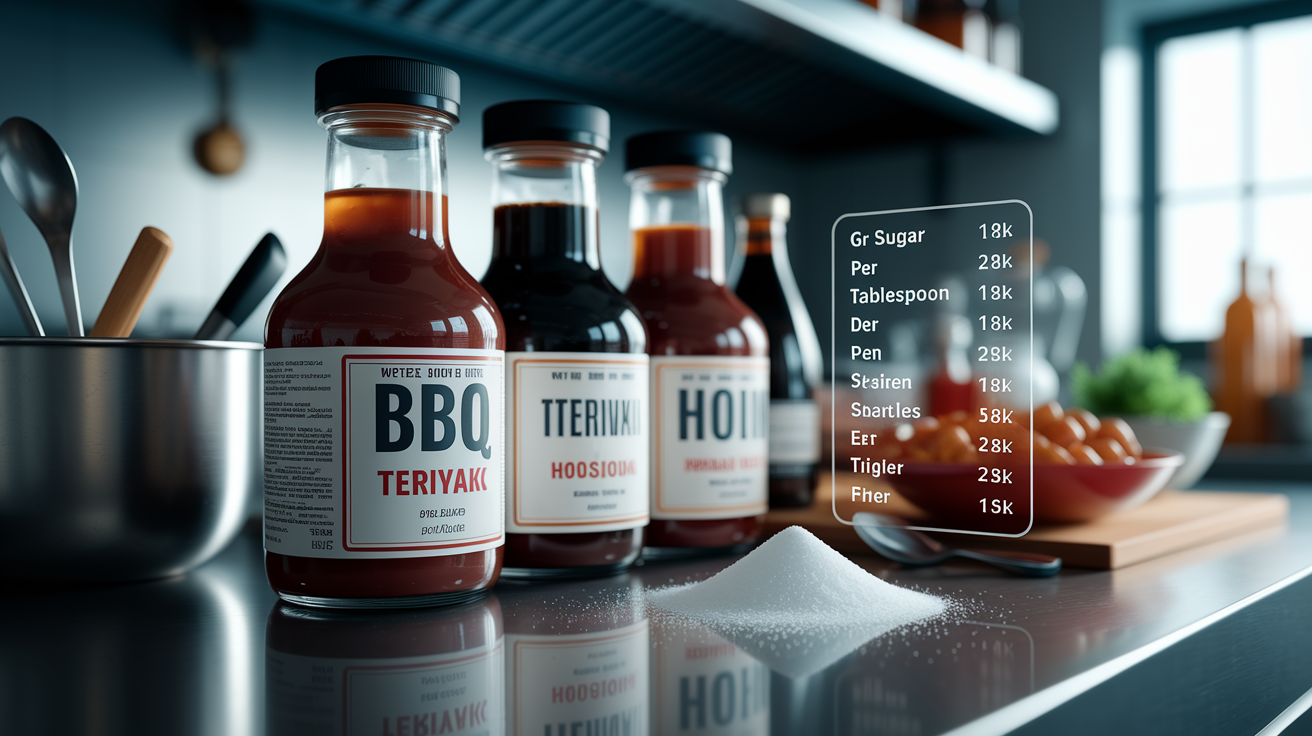
Sauces and dressings are concentrated sugar sources, and restaurants don’t hold back. They use them generously to boost flavor and build signature dishes. A single tablespoon of BBQ sauce can carry 4 to 10 grams of sugar. Many entrees arrive with several tablespoons pooled on the plate or brushed into the protein during cooking. Because these additions aren’t listed by the gram, a dish that sounds healthy or savory can quietly deliver 15 to 30 grams of added sugar before you finish your meal.
Glazes, marinades, and even salad dressings frequently hide sugar to balance acidity or add shine and caramelization. Teriyaki, hoisin, and sweet chili sauces fall in the 5 to 10 gram per tablespoon range. Balsamic glazes and fruit chutneys can reach 6 to 15 grams per tablespoon. Sweet vinaigrettes, ketchup, and house marinades also contribute sugar in amounts that add up fast when applied liberally during cooking or plating.
| Sauce/Dressing | Typical Added Sugar Per Tablespoon (g) |
|---|---|
| Ketchup | ~4 |
| BBQ sauce | ~4–10 |
| Teriyaki, hoisin, sweet chili | ~5–10 |
| Balsamic glaze/reduction | ~6–12 |
| Sweet vinaigrettes | ~3–7 |
| Fruit chutneys/compotes | ~6–15 |
| Marinades & glazes (general) | ~4–12 |
Menu Descriptions That Hint at Sweetened Beverages and Desserts
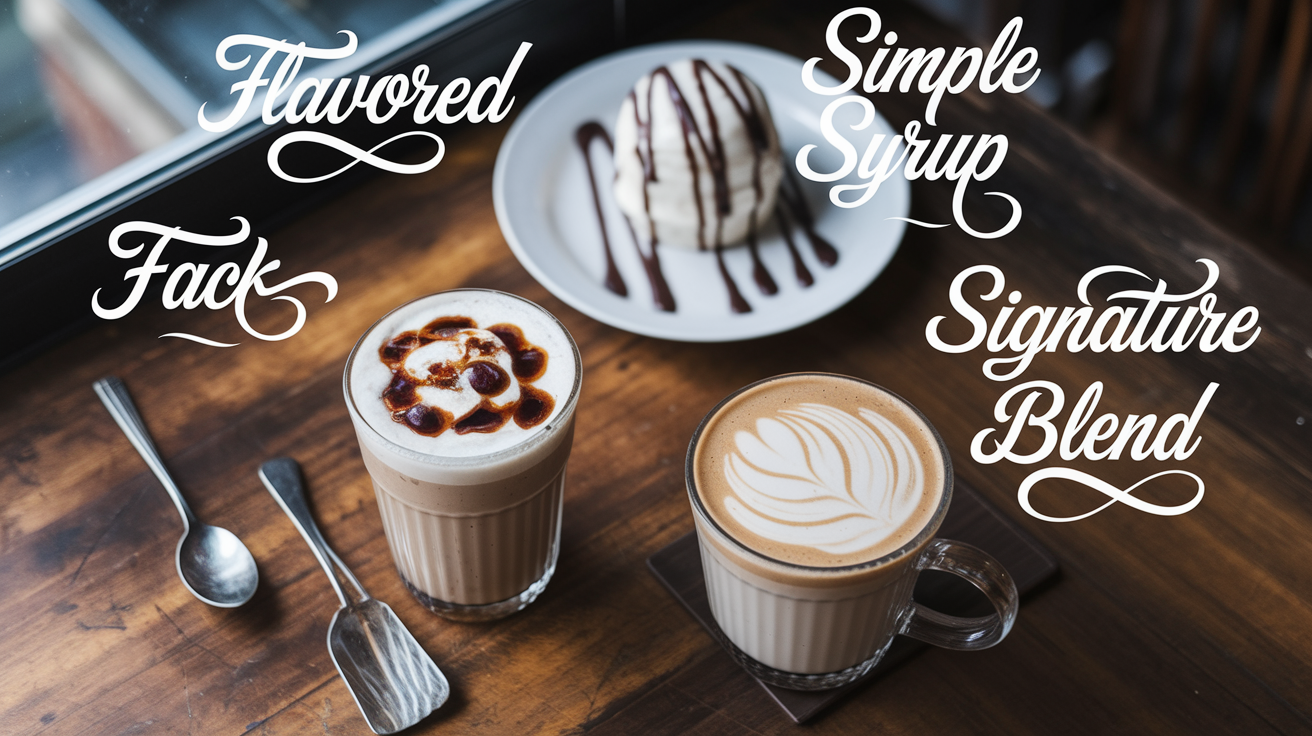
Beverages are the single largest source of added sugar in most diets, accounting for about 36 percent of total intake. Specialty coffee drinks, sodas, sweet teas, smoothies, and cocktails routinely deliver more sugar in one glass than the American Heart Association recommends for an entire day. A 16-ounce flavored latte can contain 20 to 60 grams of added sugar. A milkshake or frappe can push 40 to 90 grams—often more sugar than a slice of cake.
Menu language for drinks often masks sweetness. Watch for terms like “flavored,” “house syrup,” “muddled fruit,” “simple syrup,” “signature blend,” or “sweetened.” Fruit juices sound healthy but can reach 30 grams of sugar per 8 ounces. Many smoothies blend juice concentrate or added syrups with whole fruit. Cocktails frequently include simple syrup, flavored liqueurs, or sweetened mixers unless you ask for them to be left out.
Desserts are obvious sugar sources, but the menu description reveals how much extra sweetness gets layered on. Look for “drizzle,” “reduction,” “compote,” “glaze,” “caramel,” “toffee,” or “fruit sauce.” These additions can add 10 to 30 grams of sugar on top of an already sweet base, turning a moderate dessert into a 50 to 80 gram sugar bomb.
Recognizing Sugar in Savory Dishes and Seemingly Healthy Options

Savory proteins and sides often hide significant added sugar in marinades, glazes, and finishing sauces. Glazed salmon or honey-roasted chicken can carry 8 to 30 grams of added sugar per serving. BBQ ribs or wings with sauce easily reach 10 to 40 grams. These dishes don’t taste like dessert, but the sugar content rivals or exceeds what you’d find in a slice of pie.
Items marketed as healthy or light can be just as deceptive. Sweetened yogurts and parfaits often contain around 7 teaspoons or 29 grams of added sugar. Granola mixes include honey or syrups to bind and sweeten. Fruit-based vinaigrettes add sugar to balance tartness. Low-fat or reduced-fat menu items replace lost richness with sweetness, so a low-fat dressing or yogurt can deliver more added sugar than the full-fat version. Breads, rolls, and sandwich buns also sometimes contain added sugar to improve texture and browning.
- Glazed salmon or honey-roasted chicken: 8–30 g added sugar per serving
- BBQ ribs or wings with sauce: 10–40 g added sugar per serving
- Sweetened yogurt or parfait: ~29 g added sugar per serving
- Granola (bowl or topping): often 10–20 g added sugar per serving
- Fruit vinaigrettes and dressings: 3–7 g per tablespoon, often applied heavily
- Coleslaw or BBQ side salads: 5–15 g added sugar per serving from dressing
- Bread, rolls, or sandwich buns: 1–4 g added sugar per piece (varies widely)
- Teriyaki or hoisin stir-fry: 10–30 g added sugar per entrée depending on sauce volume
How to Ask Servers About Added Sugars in Menu Items

Short, direct questions get you the clearest answers about what’s in a dish and whether sugar has been added. Servers handle ingredient questions regularly. A specific request about sweeteners is faster and more useful than asking general health or nutrition questions. Most kitchens can confirm whether a sauce or marinade contains sugar, honey, syrup, or fruit purée, and many are willing to modify the dish if you ask.
- “Is the sauce or glaze sweetened with sugar, honey, or syrup?”
- “Can the sauce or dressing be served on the side?”
- “Can you prepare this without the glaze or caramelisation?”
- “What’s in the marinade? Any added sugar, honey, syrup, or fruit purée?”
- “Can you swap the sweet dressing for oil and vinegar or plain olive oil?”
Practical Modifications to Reduce Added Sugar When Ordering
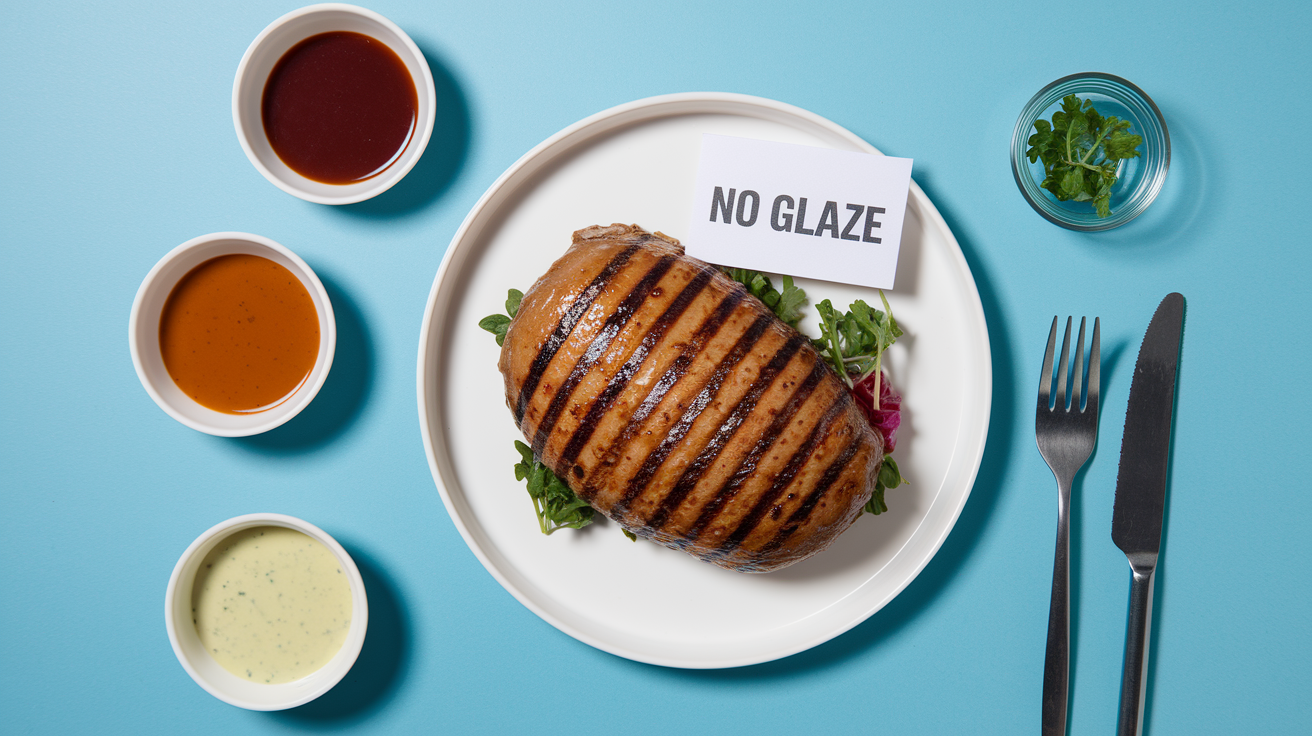
Small changes to how a dish is prepared or served can cut added sugar by half or eliminate it entirely without losing flavor or satisfaction. Asking for sauces and dressings on the side gives you control over how much you use. One teaspoon of sauce is about 4.2 grams of sugar, and one tablespoon is about 12.6 grams, so even a little restraint makes a difference. Requesting that a protein be grilled or roasted plain instead of glazed removes the concentrated sugar coating. Swapping sweet sides for steamed vegetables or a simple salad keeps the meal balanced.
Portion control works especially well with desserts and sauces, where sugar is concentrated. Splitting a dessert cuts your intake in half. Ordering a half-portion of sauce or asking the kitchen to go light on the glaze reduces sugar without requiring you to skip the dish entirely. Breakfast is another high-risk meal where small swaps add up. Choosing plain yogurt and fruit instead of granola or requesting syrup on the side for pancakes lets you control the amount instead of soaking through pre-sweetened stacks.
- Ask for sauces, dressings, and glazes on the side. Use one teaspoon (~4.2 g sugar) or one tablespoon (~12.6 g) if needed.
- Request “no glaze,” “no caramelisation,” or “no honey/maple drizzle” when ordering proteins or sides.
- Substitute grilled, roasted, or steamed preparations instead of glazed, sticky, or honey-roasted.
- Swap sweet sides (glazed carrots, candied yams) for plain vegetables, side salad with dressing on the side, or fresh fruit.
- For breakfast, ask for plain unsweetened yogurt, whole fruit, and eggs. Request syrup on the side or half the usual amount.
- Choose unsweetened iced tea, black coffee, sparkling water, or request “no syrup” in espresso drinks.
- Order spirits with soda and fresh lime instead of sweetened mixers. Ask for “no simple syrup” in cocktails.
- Split desserts or order a half-portion to cut typical sugar intake in half.
- Request plain oil and vinegar or lemon on the side instead of house dressings.
- Ask for no candied nuts, fruit compote, or sweet toppings. Add extra vegetables or a plain protein portion instead.
A Quick Menu Checklist to Spot Added Sugars Instantly
A short checklist helps you scan any menu quickly without memorizing dozens of ingredient names or dish types. These rules combine the most reliable signals (menu language, high-risk categories, and simple questions) into a decision tool you can use in under a minute while sitting at the table.
- Does the dish description include glazed, candied, honey-, maple-, syrup, sticky, BBQ, teriyaki, hoisin, sweet chili, caramelised, compote, reduction, or marmalade?
- Is the item a dessert, specialty coffee drink, smoothie, cocktail, or flavored beverage?
- Is the item labeled low-fat, reduced-fat, or light? (Often indicates added sugar to replace lost flavor.)
- Does the dish come with a sauce, dressing, or marinade that you can request on the side?
- Is the item a breakfast dish with pancakes, waffles, French toast, granola, or sweetened yogurt?
- Can you ask the server whether the sauce, glaze, or dressing contains sugar, honey, syrup, or fruit purée?
- Is the protein or side described as roasted, grilled, or steamed without sweet descriptors? (Lower risk.)
- Can you substitute a sweet side for plain vegetables, salad with dressing on the side, or fresh fruit?
- Does the menu offer an unsweetened beverage option like water, unsweetened iced tea, black coffee, or sparkling water?
- Can you request a half-portion of sauce, share a dessert, or skip the sweet topping to cut sugar without eliminating the dish?
Final Words
You can now scan a menu fast: flag words like glazed, caramelized, syrupy; watch sauces, dressings, drinks, and desserts as the usual sugar culprits.
Use the exact server questions and simple swaps: sauce on the side, pick grilled over glazed, ask for no glaze, swap plain yogurt or fruit. Small changes cut a lot of added sugar without killing the taste.
If you want a quick habit, follow the checklist and practice how to spot added sugars on restaurant menus. Little moves. Big payoff.
FAQ
Q: How do I identify added sugars on food labels?
A: Identifying added sugars on food labels means checking the Nutrition Facts “Added Sugars” line (if present) and scanning the ingredient list for sugar words like sucrose, corn syrup, high-fructose corn syrup, honey, syrup, or fruit juice concentrate.

