
satireSatirical Take on 'All Natural' Food Labels Exposing Marketing...

Satirical Take on ‘All Natural’ Food Labels Exposing Marketing Absurdity

-

Controversial take: “All natural” on a package is mostly theater.
I’ve stood in that aisle too, fooled by pretty fonts and farm photos.
This post uses satire—parody labels, fake ingredient lists, and cheeky headlines—to point out the gap between wholesome fronts and messy back panels.
We’ll show why “all natural” often means little in practice, spotlight common tricks like sugar-first ingredient lists and plant extracts that act like preservatives, and give simple moves so you can shop smarter.

Satirical Breakdown of “All Natural” Label Absurdities

A8hpnqDTRW2hCHq3SqZvyw

The phrase “all natural” sits on a grocery package like a warm hug from a fictional grandmother who definitely didn’t use high-fructose corn syrup. The label suggests purity, simplicity, maybe a dirt road somewhere in Idaho. Reality? “All natural” has no meaningful federal definition in the United States. It lives in a regulatory gray zone so wide you could drive a semi full of Yellow 5 through it. The claim is perfectly legal, totally unmonitored, and sells sugar water like crazy.

In May 2018, Funny or Die released a parody video called “All‑Natural, Non‑GMO 100% Gluten‑Free Internet Video.” Partnered with dairy farmers’ Peel Back the Label campaign, it lampooned exactly this nonsense. The parody targets the buzzword blitz: “non‑GMO,” “100%,” “gluten free,” “natural,” slapped on products that have no business wearing those halos. When a video can be “all natural,” so can a Snapple with 46 grams of sugar or a Raisin Bran with a 50-item ingredient list. The joke lands because it’s barely an exaggeration.

Here’s how “all natural” gets ridiculous:

“100% Natural (Except Everything Inside)”
Front label shows farm imagery. Back panel reads like a chemistry syllabus.

“Nature’s Gift of Arsenic”
Technically natural, still terrible for you. So are earthquakes and botulism.

“Gluten‑Free!” (On Bottled Water)
Literally always was, always will be. Marketing genius.

“100% Real Sugar!”
Yes, and there’s 40 grams of it in one cup. Congrats on the honesty, not the health.

“All Natural Tea”
With 19 grams of sugar per 8 ounces and caramel color you won’t find on a tea plant.

Parody Packaging Concepts Inspired by “All Natural” Claims
tv3yNxYASNuTZhPqPkh9uA

Real “all natural” packaging uses every visual trick to suggest wholesomeness. Green font. Leaf icon. Rustic barn silhouette. The word “ingredients” in lowercase cursive, as if a sweet grandmother handwrote it between batches of homemade jam, not a corporate design team optimizing for shelf appeal. The front promises simplicity. The back delivers a 30-line ingredient panel starring high-fructose corn syrup, multiple dyes, and at least two unpronounceable emulsifiers.

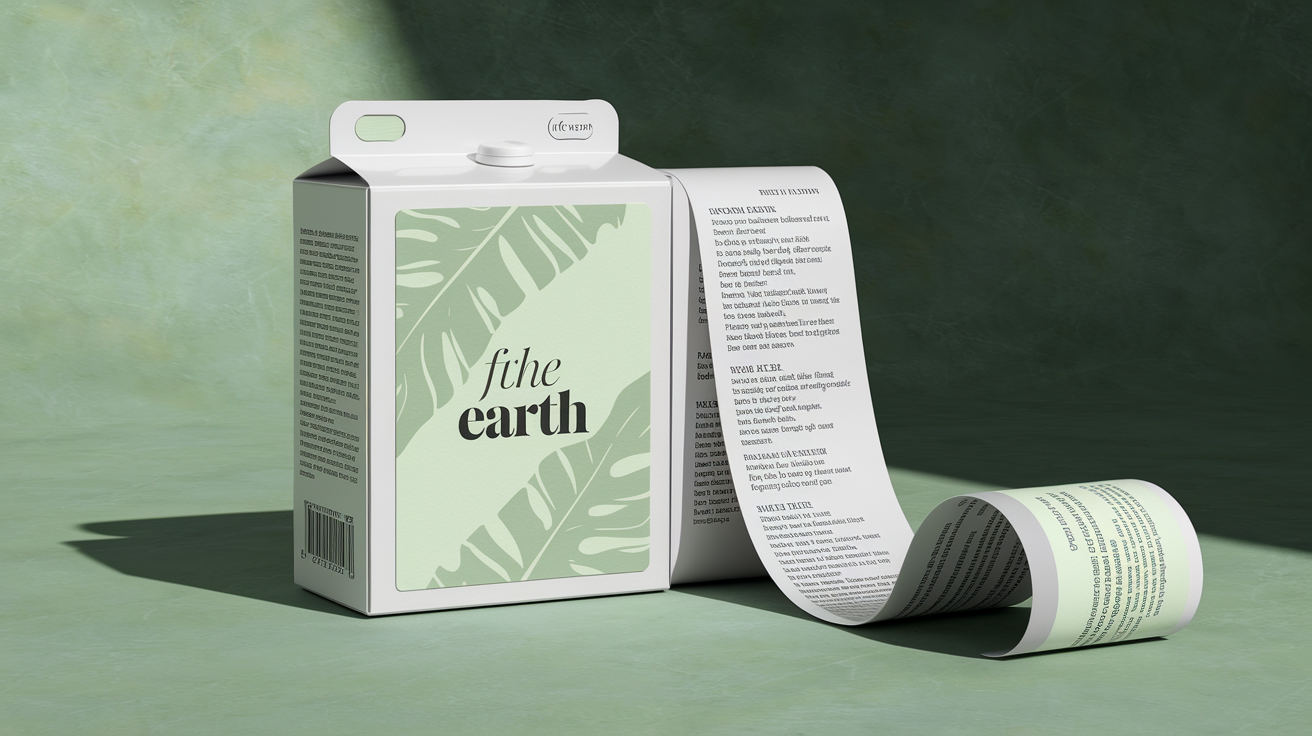
Parody packaging should lean into that gap. Picture a minimalist label with delicate script claiming “From the Earth” while the ingredient deck scrolls off the side of the box. Or a certification seal reading “Approved by No One in Particular” stamped next to “100% Inspected by Marketing.” The visual absurdity writes itself once you know the formula: pretty front, chaotic back, zero accountability.

Four parody packaging ideas that nail the greenwashing playbook:

“Nature‑Blessed Sodium Explosion”
Front shows a waterfall. Back reveals 800 mg sodium and mechanically separated chicken.

“Farm‑to‑Bag (Via Three Factories)”
Rustic wheat graphic, ingredient list includes maltodextrin, modified corn starch, calcium propionate.

“100% Organic Vibes™”
No actual organic ingredients, just a feeling. Seal includes a hand‑drawn leaf that dissolves under scrutiny.

“Minimalist Label, Maximum Additives”
White space on the front. 47 ingredients crammed onto the nutrition panel in 4-point type.

Satirical Ingredient Lists That Reveal the Joke

j2UBW9g1TJOCkXI25HDDjQ

Ingredient lists are comedy gold when you compare the front‑of‑package promise to what’s actually inside. A box shouts “100% Real Chocolate!” and then the ingredient panel opens with sugar, hydrogenated oil, cocoa processed with alkali, and a parade of preservatives. The chocolate chips are real. Everything surrounding them is a science experiment. That’s the punchline, a single truthful claim surrounded by 29 lies of omission.

High-fructose corn syrup appearing second or third in an ingredient list on a product marketed as “made with real fruit juice” is a masterclass in misdirection. Ingredients get listed by weight, so when HFCS ranks above actual juice, you’re drinking sweetener with a juice cameo. Minute Maid Fruit Punch pulls this move. Water first, sweeteners second and third, juice somewhere down the line. The front label shows fruit. The back shows a sugar delivery system.

Then there’s the “no nitrites added” deli meat trick. Brands use cultured celery extract, a natural source of nitrates, plus bacteria to convert those nitrates into nitrites that are chemically identical to synthetic ones. Same molecule, different PR. The label says “no synthetic preservatives” and shoppers feel virtuous buying processed meat that’s functionally the same as the regular version. It’s not safer. Just better marketed.

Parody Ingredient What It Satirizes
Certified Naturally Occurring Sodium (Table Salt) Marketing “natural” sodium while ignoring 800 mg per serving
Organic Corn Syrup Solids “Organic” label on highly processed sweeteners
Artisan-Sourced Disodium Phosphate Using artisan language on industrial additives

Regulatory Reality Behind “Natural” (Explained Through Humor)
gxcLZYJISv6I7eZDxAq6Cg

Regulators face a simple problem with hundreds of thousands of moving targets: food companies are creative, fast, and motivated by prime shelf real estate. The FDA has issued guidance saying “natural” means nothing artificial or synthetic has been added, but enforcement is basically nonexistent and the definition has more holes than a screen door. Health Canada is stricter on paper. Natural products can’t have added vitamins, minerals, artificial flavoring, or undergo processes that significantly alter their state. But the loopholes are wide enough to back a dump truck through.

Deli meat is the perfect case study. A package can say “no nitrites added” as long as the company uses cultured celery extract instead of sodium nitrite. The bacteria in the culture convert plant nitrates into nitrites that are molecularly identical to the synthetic version. Same preservation, same potential health concerns, better optics. It’s regulatory theater. The label is technically accurate and nutritionally meaningless.

You can slap “naturally flavored” on a 100% sugar popsicle because the flavoring agent meets the natural test, even though the product is essentially frozen sugar water. The word “natural” applies to one ingredient while the rest of the product remains a nutritional wasteland. It’s like calling a car “leather interior” when only the steering wheel is wrapped in hide and the rest is vinyl. True, misleading, profitable.

Ridiculous Real-World Numbers That Make “All Natural” Funny
IWL3tZ9gSgesxfqIK2gSbg

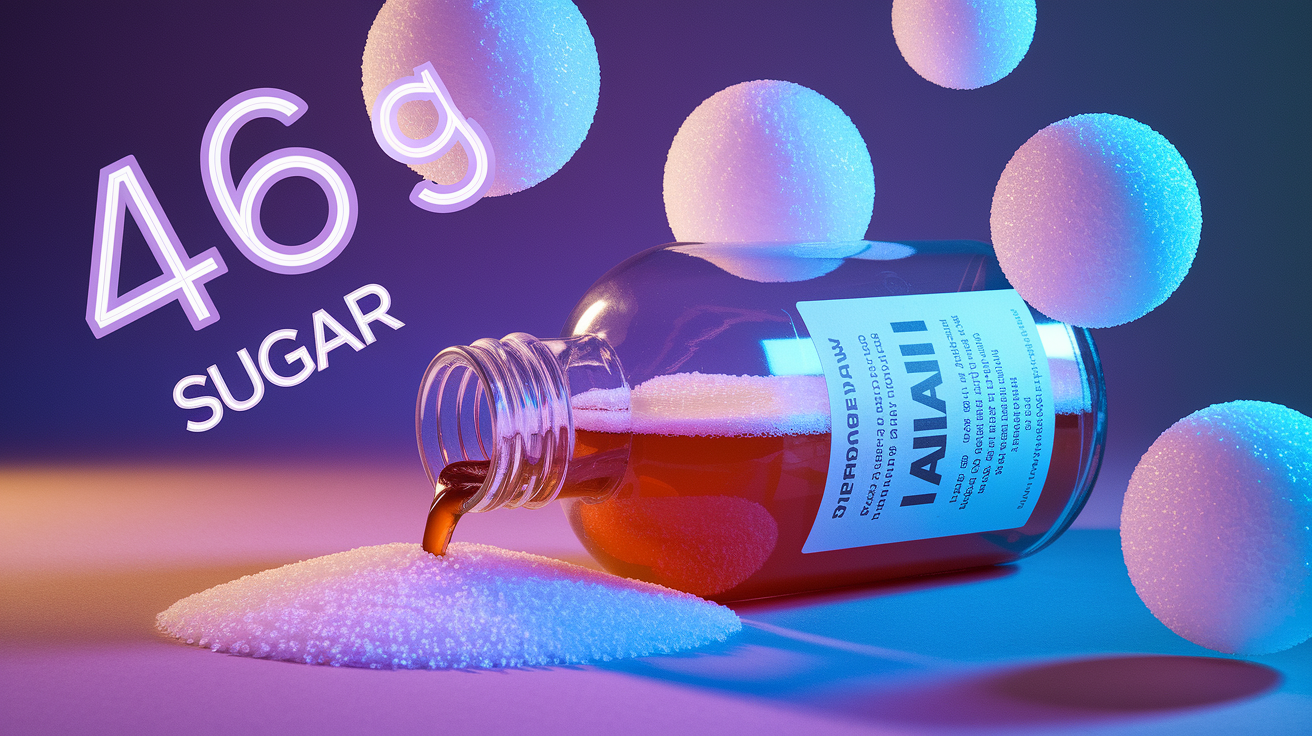
Real products deliver the best punchlines because the numbers are absurd enough that satire barely needs to exaggerate. When a bottle of “All Natural” Snapple contains 46 grams of sugar, that’s more sugar than three glazed donuts, and the label still whispers “made from the best stuff on earth.” When Raisin Bran, cereal that sounds like health food, clocks in at 19 grams of sugar and a 50-item ingredient list, the joke writes itself.

Minute Maid markets fruit punch with big, colorful fruit on the carton, but the ingredient list puts high-fructose corn syrup and sugar ahead of juice. You’re buying sweetened water with a fruit cameo. Welch’s Fruit Snacks boast “Made with Real Fruit” and “100% Vitamin C” while listing fruit juice, then HFCS, sugar, and artificial flavors. Lucky Charms shouts “WHOLE GRAIN First Ingredient!” but still delivers 10 grams of sugar, 170 mg sodium, and a rainbow of artificial dyes per bowl.

The reality behind six “all natural” or health-halo claims:

“100% Natural” Iced Tea
19 g sugar per 8 oz, plus caramel color. Nature’s candy.

“Made with Real Fruit” Punch
Water and HFCS appear before juice in the ingredient order. Fruit is the extra in its own movie.

“Whole Grain First!” Cereal
10 g sugar, artificial colors Yellow 5 and 6, marshmallow corn syrup. Whole grain is technically first. Everything else is a circus.

“100% Real Chocolate” Cookies
Real chocolate chips swim in hydrogenated oils and artificial flavor.

“Good Source of Protein” Waffles
8 g protein, 390 mg sodium, Yellow 5, Yellow 6. Protein with a sodium chaser.

“All Natural” Raisin Bran
19 g sugar, 50-item ingredient list. Natural is doing a lot of heavy lifting.

Satirical Headlines, Taglines, and Product Names

ioCSb_oeTrefoNYpOgCjNQ

Satire thrives on exaggeration that’s only one step removed from the truth. The best parody product names sound plausible until you think about them for three seconds. They capture the marketing formula, vague health promise plus rustic imagery plus a claim no one will verify, and crank it just past believable. The goal? Make someone laugh and then check the back of the box they’re holding.

Seven satirical taglines and product names ready for a parody grocery aisle:

“Farm‑Raised in Our Marketing Department”
For products with “farm fresh” imagery and zero farm involvement.

“100% Natural (Terms and Conditions Apply)”
Footnote reveals “natural” applies only to the water content.

“Certified by the Institute of Things We Made Up”
Fake certification seal that looks official enough to fool a tired shopper.

“Nature’s Candy (Literally Just Sugar)”
Honest tagline for fruit snacks that are 98% sweeteners and dyes.

“Gluten‑Free Since the Beginning of Time”
Slapped on anything that never contained gluten. Rice, salt, air.

“Contains Real Ingredients (Some Assembly Required)”
For ultra-processed foods with one whole-food cameo.

“Straight from the Lab to Your Heart”
Parody of “farm to table” for products engineered in food-science facilities.

Sketch, Meme, and Video Concepts Mocking “All Natural”

Rc5QiGhuSRCByVwJPNZC5w

Short-form video and meme formats are built for food-label satire because the visual gap between front-of-package promises and back-of-package reality is instant comedy. A TikTok that starts with a serene voiceover, “Made with ingredients you can pronounce,” and then flips to a 40-item ingredient list scrolling like movie credits, lands in under 10 seconds. A parody ad featuring an influencer unboxing “100% Natural Sodium Bombs” while reading the nutrition panel out loud in increasing disbelief writes itself.

The Funny or Die parody video format works because it mirrors the slick production of real food ads. Calm music, soft focus, aspirational language. And then undercuts it with absurdity. A fake commercial for “Organic Lab‑Verified Beeswax Flavor Crystals” that zooms in on a certification seal reading “Inspected by Steve” captures how meaningless most badges are. The humor is in treating the ridiculous as if it’s premium.

Meme & Short‑Form Concepts

A side‑by‑side Instagram graphic comparing “What the Label Says” (picture of a sun‑drenched orchard) vs. “What’s Inside” (chemical structure diagram of Yellow 5) is shareable, educational, funny. A fake infographic titled “Ingredient Order Decoder” showing that HFCS in the number-two spot means you’re drinking corn syrup with a juice excuse teaches label literacy while roasting the industry. A parody unboxing video where someone opens “100% Real Ingredients!” snack bags and pulls out packets of maltodextrin, carrageenan, and “natural flavors” would go viral in the skeptical-parent demographic.

Satire as a Tool for Consumer Label Literacy

2o9DZ_iyTfiuII0uAimj2g

Satire doesn’t just make people laugh. It makes them check the back of the box. When a parody highlights that “calorie‑free” often means artificial sweeteners like sucralose and acesulfame potassium, shoppers start reading ingredient lists instead of trusting front-panel promises. When a meme shows that “made with real fruit” can mean 2% juice and 98% dyes and sweeteners, that skepticism carries into the grocery aisle. Comedy bypasses the lecture and lands the lesson.

The “Peel Back the Label” campaign used humor specifically to cut through consumer fatigue. People are overwhelmed by conflicting nutrition advice, so a straightforward parody (“this says natural but look at the sugar count”) feels like relief. It simplifies the problem and hands over a tool: ignore the marketing, read the ingredients, count the grams. That’s actionable, repeatable, and it sticks because it’s wrapped in a joke.

Real-world examples reveal five sneaky tactics that satire exposes beautifully:

“Too good to be true” promises
“Waist Watcher” diet soda implying you can lose weight by drinking sweetened beverages.

“Calorie free” tricks
Zero calories sounds healthy until you spot sucralose, acesulfame potassium, and a warning about artificial sweeteners.

“Have your cake and still lose weight” paradoxes
Low-calorie frozen meals with 40% of your daily sodium and mystery “chicken type flavor.”

Selective spotlight tactics
Shouting “8 g protein!” while burying 390 mg sodium and two artificial dyes in fine print.

Greenwashed visuals and language
Green type, pastoral scenes, and the word “natural” doing all the persuasive work while the ingredient list tells a different story.

Final Words

We tore into the “all natural” claim and showed why it’s often nonsense. You saw parody packaging, absurd ingredient lists, real sugar and sodium numbers, and the regulatory gaps that let this happen.

We sketched headlines, meme ideas, and quick tips so the satire actually teaches something. The goal was simple: laugh, notice the tricks, and read labels with less guesswork.

This satirical take on ‘all natural’ food labels should leave you armed and amused — and more likely to pick smarter, tastier options.

FAQ

Q: What is the controversy with organic food?

A: The controversy with organic food is that it avoids synthetic pesticides and often supports smaller farms, but it can cost more, sometimes shows no clear nutrition advantage, and faces fraud or labeling loopholes—so prioritize certified organic for high‑residue produce.

Q: What is the 5 ingredient rule?

A: The 5 ingredient rule is a quick shopping tip: choose packaged foods with five or fewer recognizable ingredients to reduce ultra‑processed items. It’s a guideline—also watch for added sugar and favor protein and fiber.

Q: What does all natural mean on a food label, and are foods labeled all natural better for you?

A: The term “all natural” on a food label means companies suggest minimal processing, but it’s vague and often unregulated. “All natural” doesn’t guarantee healthier—read the ingredient list and nutrition facts for sugar, sodium, and protein.

Latest news

Trusted Legal Animation Service: A Smarter Way to Present Complex Evidence

Legal cases often involve complicated facts that can be challenging to explain through documents and testimony alone. From accident...

10 Healthy Eating Habits That Can Improve Your Overall Well-Being

Healthy eating is one of the most effective ways to improve your physical health, boost energy levels, and reduce...

Patent Royalty Rates: What Different Industries Actually Pay

Royalty rates vary widely by industry, and the courts rejected the old 25 percent rule of thumb. What sets a defensible rate.

Yeast Infection Causes, Symptoms, and Home Remedies

I've felt the sudden worry when something in my body changes — the itch, the odd discharge, the question of what to do next. Many people in the United States face this kind of uncertainty about vaginal health. It can feel private and stressful, yet it's very common. The vagina is a balanced ecosystem of cells, helpful bacteria, and occasional fungi. When that balance shifts, unusual discharge, itching, or burning may follow. Knowing the basics helps you act with confidence and care. If symptoms persist or you’re unsure, consult a healthcare provider to get a clear diagnosis and proper treatment. For more on overlapping conditions and how they differ, see this helpful resource on coexisting conditions here. Key Takeaways Vaginal symptoms often signal a disrupted balance of microbes and need attention. Most women will face at least one vaginal condition in their lifetime. Home care can help, but persistent or severe symptoms require professional evaluation. Distinguish this condition from other infections to ensure the right treatment. Pay attention to discharge, itching, and burning as early warning signs. Understanding the Basics of a Yeast Infection Understanding the balance between microbes and fungi is the first step to better vaginal health. "The vagina hosts a delicate balance of microbes, bacteria, and yeast living in harmony," says Dr. Taniqua Miller, a board-certified ob-gyn. — Dr. Taniqua Miller What is Candida Candida albicans is the fungus behind most cases of vaginal candidiasis. It normally lives quietly with other organisms. When the environment shifts, Candida can multiply and cause uncomfortable symptoms. Hormonal changes, antibiotics, and some medications can trigger that change. The Role of Vaginal Flora Healthy bacteria keep the vagina's pH balanced. That balance helps prevent other harmful microbes from growing out of control. A normal vaginal discharge is usually clear or white. Changes in color, smell, or texture often signal that care or a check with a provider is needed. Most women will experience at least one episode in their life. Maintaining bacteria balance supports long-term vaginal health and lowers the chance of recurrent vaginal yeast infections. Common Symptoms to Watch For Noticing new soreness, unusual discharge, or intense itching can be an early sign that your vaginal health needs attention. Typical signs include a thick, white, cottage cheese-like discharge and strong itching or burning in the vaginal area. Unlike bacterial problems, this condition usually does not produce a strong odor. Pain with urination or sex may also occur and should be discussed with your provider. "Yeast infections generally do not have a fishy smell, which helps separate them from bacterial causes," says Dr. Taniqua Miller. Distinguishing from other infections Because symptoms overlap with sexually transmitted and other infections, a pelvic exam and testing of vaginal discharge are common steps a provider will take. SignVaginal yeastBacterial vaginosisSexually transmittedDischargeThick, whiteThin, grayVaries; may be unusualOdorOften noneFishyMay have odorItching / burningIntenseLess intenseCan be presentRecommended actionTest by providerLab testsSTD panel Tip: If you are a woman experiencing these symptoms for the first time, seek professional diagnosis to rule out other causes and get the right treatment. Why Yeast Infections Occur Several common health changes make the vagina less able to keep microbes in check. What shifts the balance? High blood sugar from diabetes and a weakened immune system let the fungus Candida albicans grow faster. Taking antibiotics can kill helpful bacteria, giving the fungus room to expand and cause a vaginal yeast infection. Hormonal changes, obesity, certain sprays, and a poor diet also raise risk. Pay attention to any change in vaginal discharge — it can be an early clue that the microbial balance is off. TriggerHow it helps growthSimple preventive stepDiabetesHigher sugar fuels fungal growthControl blood glucose; discuss with providerAntibioticsReduces protective bacteriaAsk about probiotics or watch for symptomsHormones / lifestyleAlters pH and moistureChoose breathable clothes; avoid sprays Talk with a provider if you have recurrent episodes or chronic conditions. Understanding triggers is the first step toward better vaginal health and targeted treatment. When to See a Healthcare Provider When symptoms linger despite over-the-counter treatment, professional evaluation becomes important. Contact a provider if your symptoms do not improve within 72 hours of starting self-care or an OTC treatment. This helps avoid treating the wrong condition and reduces unnecessary discomfort. Women who are pregnant or who have never had a yeast infection before should always consult a clinician before using any medication. A provider can perform a pelvic exam and tests to confirm the cause and rule out other serious conditions. Seek immediate care if you have fever, severe pelvic pain, or worsening symptoms. People with weakened immune systems or those who get recurrent infections need tailored care to manage vaginal health effectively. Call your provider if home care fails within 72 hours. Report new or severe symptoms right away. Schedule regular check-ups to maintain women health and prevent repeat episodes. "Proper diagnosis is essential — treating the wrong condition can prolong symptoms," When in doubt, seek care. Your provider can offer personalized advice on treatment, prevention, and follow-up to protect your vagina and overall health. Over the Counter Treatment Options OTC antifungal choices offer convenience, yet not every product suits every case. Choosing the Right Cream Miconazole-based creams and suppositories work well for many people with a mild vaginal yeast issue. Choose a delivery you can use easily at home—topical creams or suppositories both reach the affected area. Dr. Taniqua Miller often recommends a 7-day course. A longer, gentler regimen may reduce irritation compared with 1- or 3-day options. Importance of Completing Treatment Finish the full course even if symptoms ease. Stopping early can let the problem return. Avoid scented products and douching while you treat the area. These can disrupt healing and worsen discharge or itching. If you are taking antibiotics, your provider may suggest preventive antifungal care to lower the chance of a new episode. "Completing a full course helps clear the problem and lowers the risk of recurrence," says Dr. Taniqua Miller. When to see a provider: severe itching burning, worsening symptoms, or no improvement after treatment. Prescription options include oral fluconazole or topical alternatives when OTC treatments fail. Lifestyle Changes for Better Vaginal Health Small daily habits can make a big difference in keeping the vaginal area healthy. Choosing breathable fabrics Wear loose cotton underwear to let the area breathe and reduce moisture build-up. Cotton underwear absorbs sweat and lowers the warm, damp environment that helps yeast grow. Swap wet swimwear or gym clothes quickly after exercise. Staying dry is one of the simplest ways to help control recurring problems. Hygiene practices Keep the external genital area clean and dry with gentle water and mild soap. Avoid douching and harsh scented products that disrupt natural bacteria and pH. Limit sex during an active episode to prevent extra irritation and let treatment work. If you are taking antibiotics, talk with your provider about preventive steps to lower risk. Dietary adjustments Include yogurt with live and active cultures to support healthy bacteria. Small diet shifts can help balance microbes and support recovery alongside medical treatment. For fast guidance on symptom control, see this quick 24-hour guide. Managing Recurrent Infections Recurrent vulvovaginal candidiasis is defined as four or more episodes in a single year. If you meet that threshold, your provider will suggest testing for underlying conditions such as diabetes or HIV that raise risk. Dr. Taniqua Miller notes that some people are more prone and need a long-term plan. That may include suppression treatment—regular doses of medications over several months—to help prevent future outbreaks. People with a weakened immune system often need adjusted care and closer follow-up. Watch for persistent redness, itching, or abnormal discharge, and report these symptoms promptly to your provider. Management usually blends lifestyle changes, consistent medications, and regular check-ins. Rule out other conditions that can mimic symptoms so you get proper treatments. "A tailored suppression plan and ongoing support give the best chance to regain control," says Dr. Taniqua Miller. Avoid sex until healed, follow your provider’s plan, and stay proactive. This combined approach helps people control recurrent vaginal yeast infections and reduces future risk. Debunking Myths About Transmission Not all uncomfortable vaginal changes are passed between partners; most come from internal shifts. Fact: Most cases are not considered sexually transmitted. Vaginal episodes usually reflect a change in the local balance of microbes rather than direct transmission during sex. While sex can introduce new bacteria and alter vaginal pH, it is not the primary cause for most people. Partners rarely need treatment unless symptoms appear. If a male partner develops redness or irritation consistent with balanitis, topical antifungal cream may help. Avoid sex while you treat the area to reduce discomfort and let medication work. "Understanding true modes of transmission helps reduce unnecessary worry and stigma." New research shows partners can carry bacteria linked to bacterial vaginosis, a different condition. If you’re worried, consult your provider—especially with a new partner or unusual symptoms. If diagnosed with a sexually transmitted condition, partner testing and treatment are essential to prevent reinfection. Conclusion Taking charge of your vaginal health helps you prevent minor issues from becoming persistent problems. Small habits and attention to symptoms make a big difference. Ready actions and simple self-care are effective first steps. If symptoms continue, contact your provider. Most women will face a yeast infection at some point, and many cases respond to home care. If you are unsure, skip main content searches and ask a clinician for testing and clear guidance. Prioritize women health by staying informed and keeping regular care with your provider. With the right support and steps, you can manage symptoms, prevent recurrence, and regain comfort and confidence in your overall health. FAQ What causes a vaginal Candida overgrowth? A fungus called Candida can grow too much when the balance of microbes in the vagina changes. Common triggers include recent antibiotic use, elevated blood sugar from diabetes, pregnancy, hormonal changes from birth control, and a weakened immune system. Tight or non-breathable underwear and prolonged dampness in the area can also encourage growth. How can I tell if symptoms are due to Candida or another problem? Classic signs include itching, burning, and thick, white discharge that looks like cottage cheese. Redness and soreness are common too. Bacterial infections or sexually transmitted infections often cause different discharge, a strong odor, or pelvic pain. If symptoms are unusual, severe, or come with fever, see a provider for testing. Are over-the-counter creams and suppositories effective? Yes, many topical antifungal creams and vaginal suppositories from brands like Monistat work well for uncomplicated cases. Choosing a product with proven antifungal ingredients helps. Follow the full course of treatment to reduce recurrence, even if symptoms ease early. When should I contact a healthcare provider? See a provider if it's your first episode, symptoms are severe, you have more than four episodes a year, or if you have diabetes, are pregnant, or immunocompromised. Also seek care if over-the-counter treatment fails or symptoms return shortly after finishing therapy. What home measures help prevent future episodes? Wear breathable cotton underwear, avoid tight pants for long periods, and change out of wet swimsuits or sweaty workout clothes quickly. Maintain good genital hygiene by washing with plain water and mild soap. Managing blood sugar and using antibiotics only when necessary also reduce risk. Can diet affect risk and management? Some people find cutting back on high-sugar foods and refined carbs helps, since excess sugar can feed fungal growth. Including fermented foods or a probiotic supplement may support healthy vaginal flora, but evidence varies. Discuss diet changes with your healthcare provider. Are recurrent episodes common and how are they managed? Recurrent episodes affect some people. Providers may prescribe a longer antifungal regimen or maintenance therapy. They’ll also check for underlying causes like uncontrolled diabetes or other health conditions that can weaken immune defenses. Can sexual activity cause or spread Candida? Candida is not classically a sexually transmitted disease, but intercourse can irritate the area and sometimes transfer the organism between partners. Using condoms, avoiding sex during active symptoms, and treating affected partners when recommended can help control spread. Do probiotics or yogurt help treat an active episode? Probiotics and plain yogurt with live cultures may support balancing the vaginal ecosystem but are not a reliable replacement for antifungal medication during an active episode. They can be a helpful adjunct therapy for prevention in some people. How long does it take for treatment to work? Many topical treatments relieve itching and burning within a few days, with full resolution in one to two weeks depending on the product. Oral prescription options like fluconazole can work within 1–3 days, but complete healing may take longer. Always finish the prescribed course.

The Hidden Costs of Personal Injuries in Orlando and How Victims Can Recover

Personal injuries in Orlando can create hidden costs beyond emergency bills, including follow-up care, therapy, lost wages, reduced earning capacity, transportation, home help, property...

4 Portable Wheelchair Mistakes Families Make Before a Parent’s First Purchase

Key Takeaways Match the portable wheelchair to real use before buying—short clinic trips, long family outings, and air travel usually...

Must read

You might also likeRELATED
Recommended to you