

Is aspartame dangerous or just a loud label in a quiet debate?
In 2023 an international panel called it “possibly carcinogenic” and that headline scared a lot of people.
But the real question is how much you actually consume.
This post cuts through the noise.
We show what safe daily limits mean in real life, how common soda and sweetener use compares, who should be cautious, and simple swaps to try.
Thesis: for most healthy adults, normal use sits well below safety limits, though a few groups should take care.
Evidence-Based Overview of Aspartame Safety for Adults
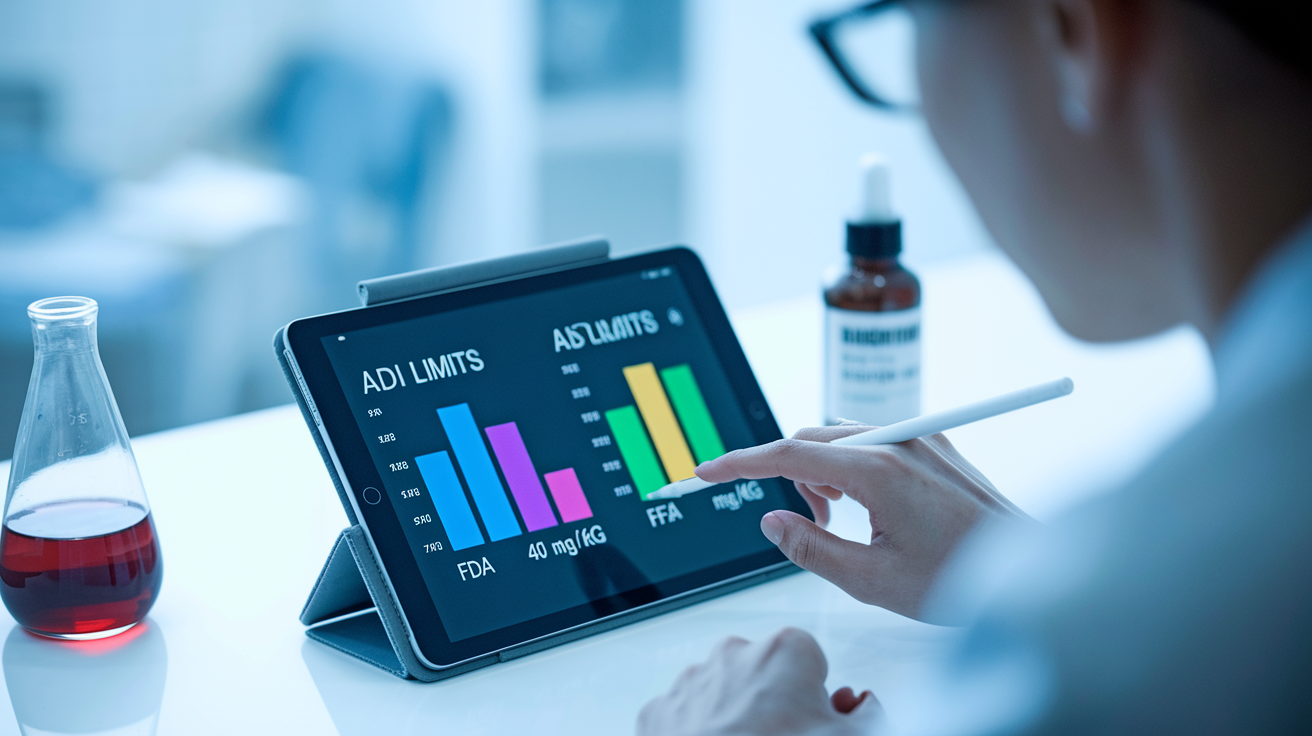
Regulatory agencies set acceptable daily intakes to define how much you can safely consume over a lifetime. The FDA pegged aspartame’s ADI at 50 mg per kilogram of body weight per day back in 1981. The European Food Safety Authority and the Joint FAO/WHO Expert Committee use 40 mg per kilogram per day, a number they reaffirmed in 2023.
Here’s what that looks like in real life. A 70 kg adult would need to drink around 19 standard 12-ounce cans of diet soda per day to hit the FDA limit. Or about 15 to 16 cans to reach the European threshold. Each can has roughly 180 mg of aspartame. Most people drink one or two diet sodas daily, putting them at 180 to 360 mg, well under any regulatory ceiling.
In July 2023, the International Agency for Research on Cancer classified aspartame as “possibly carcinogenic to humans.” That sounds scary. But the designation describes limited evidence of a potential hazard, it doesn’t quantify real-world risk at the levels people actually consume. The same week, the WHO and FAO expert panel kept the 40 mg per kilogram ADI in place, concluding the evidence didn’t support changing the threshold. Regulatory bodies distinguish between hazard (whether something can cause harm under any circumstance) and risk (the probability of harm at actual exposure levels).
Core safety conclusions for adults:
- ADIs are set with wide safety margins. Exceeding them requires sustained, very high intake.
- Typical daily consumption from diet beverages and sugar-free foods sits far below ADI thresholds for most adults.
- “Possibly carcinogenic” reflects uncertainty in limited studies, not proof that normal use causes cancer.
- For healthy adults without phenylketonuria or reproducible adverse reactions, using aspartame within ADI limits is considered safe by major food-safety agencies.
Understanding Aspartame Intake Limits and Daily Exposure
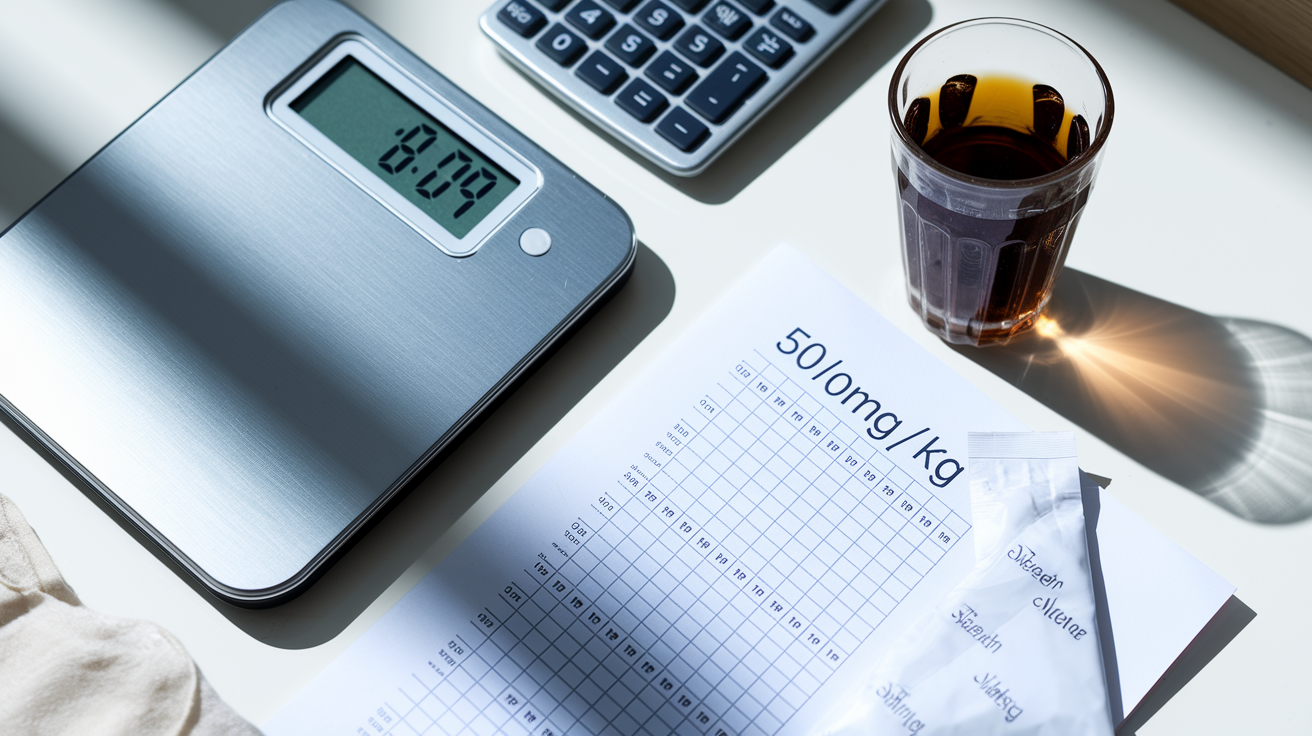
Calculating your personal threshold starts with your weight. Multiply your body weight in kilograms by the ADI, either 50 mg per kilogram if using the FDA standard or 40 mg per kilogram if using the European or WHO guideline. A 60 kg adult reaches an FDA limit of 3,000 mg per day, or a European limit of 2,400 mg per day. Most people don’t come anywhere close.
Real-world products contain small, predictable doses. A 12-ounce diet soda delivers roughly 180 mg of aspartame. A single tabletop sweetener packet, like Equal or a store brand, holds 35 to 40 mg. Chewing a stick of sugar-free gum adds a few milligrams more. The cumulative total from typical daily use, a morning coffee with two packets and one diet soda at lunch, stays comfortably below any threshold.
| Product | Approximate Aspartame mg/Serving | Servings to Reach ADI for 70 kg Adult (FDA 3,500 mg) |
|---|---|---|
| 12-oz diet soda | 180 mg | ~19 cans |
| Tabletop sweetener packet | 35–40 mg | ~88–100 packets |
| Sugar-free chewing gum (1 stick) | ~6 mg | ~580 sticks |
Cancer Risk Findings Related to Aspartame Consumption in Adults

The 2023 IARC classification placed aspartame in Group 2B, a category that includes items with limited evidence of carcinogenicity in humans and limited or insufficient evidence in animals. Other substances in this group include aloe vera extract and certain occupational exposures. The designation doesn’t mean aspartame causes cancer at the levels people actually consume. It means the available evidence is too limited to rule out a possible link under some conditions.
A 2022 observational study found that adults who consumed higher amounts of aspartame had a slightly higher overall cancer risk, particularly for breast and obesity-related cancers. The study didn’t establish a clear dose threshold, and observational designs can’t prove causation because they can’t fully separate aspartame intake from other dietary patterns, body weight differences, or lifestyle factors that also influence cancer risk. Regulatory bodies reviewed this and similar studies during their 2023 reassessments and concluded the evidence wasn’t strong or consistent enough to lower ADI limits.
The practical takeaway? ADI thresholds already include large safety margins. Typical adult intake sits far below the point where any increased risk has been observed, and even those observations remain uncertain. Decades of research, including large regulatory reviews by agencies in the U.S., Europe, and globally, haven’t produced clear, reproducible evidence that aspartame at common consumption levels causes cancer in humans.
Short-Term and Neurological Side Effects in Adult Aspartame Users

Some adults report headaches, dizziness, or mood changes after consuming aspartame. Randomized controlled trials testing these claims have produced mixed results. No consistent pattern of neurological symptoms emerges across the general population. The variability suggests individual sensitivity rather than a universal reaction.
If you notice a headache within a few hours of drinking a diet soda and that pattern repeats reliably, you may be one of the people who react to aspartame. The mechanism isn’t fully understood, but for practical purposes, reproducible symptoms are reason enough to avoid it.
Reported short-term symptoms include:
- Headache or migraine in susceptible individuals
- Dizziness or lightheadedness (rare, inconsistent evidence)
- Mood changes such as irritability or low mood (anecdotal, not confirmed in controlled trials)
- Gastrointestinal symptoms like bloating or stomach discomfort (infrequent reports)
- Rare allergic-type reactions such as hives or itching (very uncommon)
Aspartame’s Metabolic Effects: Weight, Blood Sugar, and Gut Microbiome

Aspartame provides negligible calories because only tiny amounts are needed for sweetness. It’s roughly 200 times sweeter than sugar. When you replace a sugar-sweetened drink with an aspartame-sweetened version, you cut out calories without the sugar spike. A regular 12-ounce soda delivers about 39 grams of sugar and roughly 156 calories. A diet version with aspartame has close to zero.
Randomized controlled trials generally show modest weight loss or easier weight maintenance when people swap sugar for low-calorie sweeteners like aspartame, assuming the rest of the diet stays the same. The benefit comes from calorie displacement, not any metabolic magic. Observational studies sometimes link artificial sweetener use to weight gain or higher rates of metabolic syndrome, but those associations are confounded by reverse causation. People who are already gaining weight or managing diabetes may choose diet products, and other unmeasured dietary differences play a role.
Aspartame doesn’t raise blood glucose directly. It’s broken down in the gut into aspartic acid, phenylalanine, and a small amount of methanol, components that don’t trigger insulin release the way sugar does. Evidence on gut microbiome effects is limited and inconsistent. Some animal studies suggest certain artificial sweeteners may alter gut bacteria, but human data for aspartame remain inconclusive.
Comparison to Sugary Beverages
A standard can of regular soda contains around 39 grams of sugar, which equals about 156 calories and causes a rapid rise in blood glucose. Switching to an aspartame-sweetened drink removes those calories and eliminates the glucose spike, a clear advantage for anyone tracking calories or managing blood sugar. The tradeoff is taste. Some people prefer the mouthfeel and flavor of sugar, and aftertaste from aspartame can be noticeable depending on the product.
Adults Who Should Avoid or Limit Aspartame
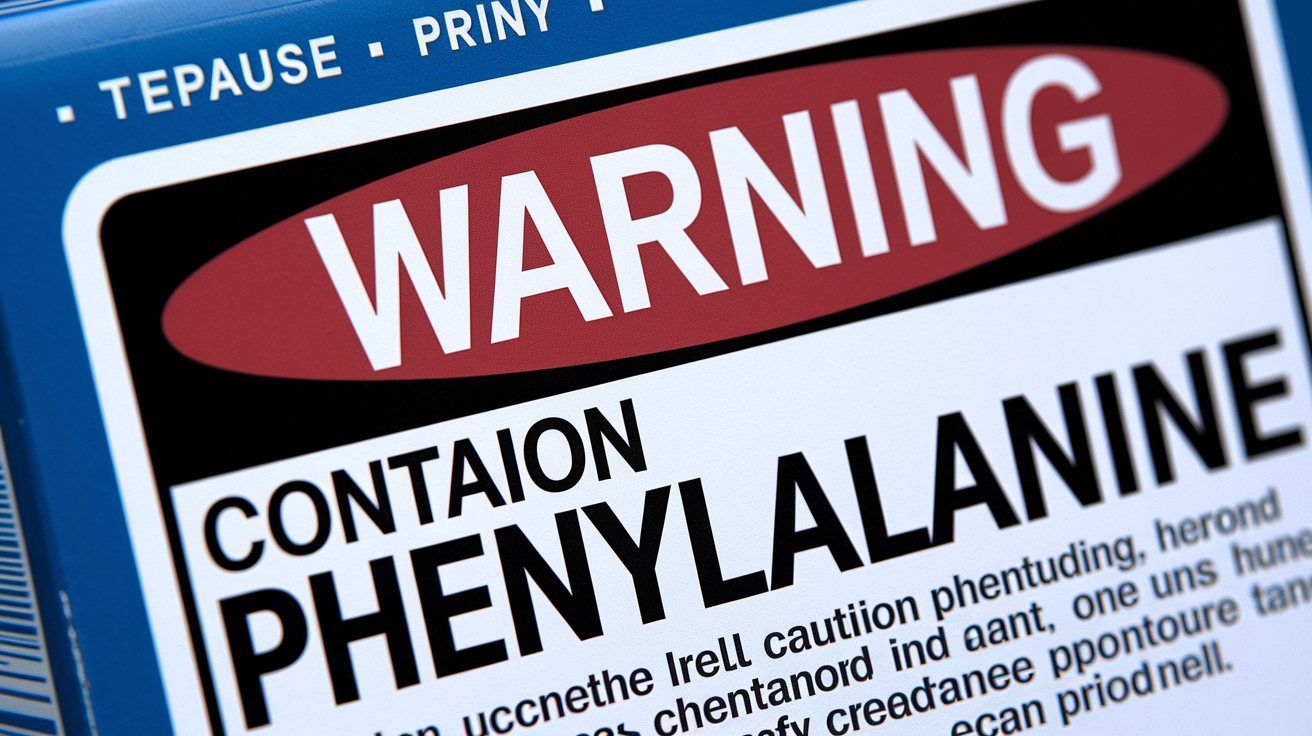
People with phenylketonuria, a rare genetic disorder, can’t metabolize phenylalanine properly and must avoid aspartame entirely. Products containing aspartame are required by law to carry a warning that reads “Contains phenylalanine.” If you have PKU, this ingredient isn’t optional to limit. It must be completely excluded from your diet.
Pregnant adults fall under the same ADI guidelines as the general population, and regulatory agencies consider aspartame safe within those limits during pregnancy. Many healthcare providers still recommend moderating intake of all non-nutritive sweeteners during pregnancy out of caution, since long-term data in this population are limited. If you’re pregnant and using aspartame regularly, a conversation with your doctor can help you decide what makes sense for your situation.
Three adult groups requiring increased caution:
- Adults with phenylketonuria (PKU), who must avoid aspartame completely due to inability to process phenylalanine.
- Pregnant or breastfeeding adults, who may choose to moderate intake even though ADIs technically apply, pending individualized medical guidance.
- Adults who experience reproducible adverse symptoms (headaches, GI distress, mood changes) after aspartame consumption and should eliminate it to prevent recurrence.
Comparing Aspartame With Sugar and Natural Sweeteners

Sugar delivers 4 calories per gram and triggers a blood-glucose response. A 12-ounce regular soda with 39 grams of sugar adds 156 calories and a sharp glycemic spike. Aspartame provides sweetness without meaningful calories or glucose impact, which is why it’s used in weight-management and diabetes-friendly products. The calorie reduction is real, but whether it leads to long-term weight loss depends on whether you compensate by eating more elsewhere.
Stevia, derived from the stevia plant, is considered a “natural” sweetener and has a WHO/FAO ADI of 4 mg per kilogram of body weight per day, expressed as steviol equivalents. Monk fruit extract is another plant-based, non-caloric option with a favorable safety profile, though regulatory ADI guidance varies by jurisdiction. Sucralose, a synthetic sweetener like aspartame, has an ADI around 5 mg per kilogram per day according to most agencies. Numbers vary slightly.
Choosing among sweeteners often comes down to taste preference and specific health goals. Stevia can have a licorice-like aftertaste. Monk fruit is mild but expensive. Sucralose tastes closer to sugar but is still artificial. Aspartame has the longest regulatory track record and lowest cost, but the aftertaste bothers some users.
Main low-calorie sweetener alternatives:
- Stevia (steviol glycosides): plant-derived, ADI 4 mg/kg/day, mild aftertaste, popular in “natural” product lines.
- Monk fruit extract: plant-derived, non-caloric, generally favorable safety profile, higher cost, limited regulatory ADI data.
- Sucralose: synthetic, ADI ~5 mg/kg/day, heat-stable for cooking, closer to sugar taste, still an artificial sweetener.
- Table sugar (sucrose): 4 kcal/g, raises blood glucose, widely available, familiar taste, linked to obesity and diabetes in excess.
How Aspartame Is Used in Common Foods and Beverages

Aspartame shows up in diet sodas, sugar-free chewing gum, powdered drink mixes, flavored waters, yogurt cups labeled “light” or “low-sugar,” and tabletop sweetener packets. Because it’s stable in dry forms and provides intense sweetness at low doses, manufacturers use it widely in products marketed as reduced-calorie or sugar-free.
Cumulative intake adds up if you use multiple aspartame-containing products throughout the day. A morning coffee with two sweetener packets, a midday diet soda, and an evening piece of sugar-free gum can collectively deliver 200 to 250 mg. Still far below ADI limits but worth tracking if you’re trying to minimize total intake.
| Product Category | Typical Use Case | Approximate Aspartame Content Range |
|---|---|---|
| Diet sodas and colas | 12-oz can or bottle | ~180 mg per serving |
| Tabletop sweetener packets | Single-serve packet for coffee or tea | ~35–40 mg per packet |
| Sugar-free chewing gum | 1 stick or piece | ~6 mg per piece |
| Powdered drink mixes (single-serve) | Mixed into 8–16 oz water | ~40–100 mg per serving (varies by brand) |
Reading Labels: How Adults Can Identify Aspartame in Products

Aspartame must be listed by name in the ingredient list on any packaged food or beverage sold in the U.S. and most other countries. If a product contains aspartame, you’ll see it spelled out, usually near other sweeteners or flavor ingredients. Products are also required to carry a phenylketonuria warning that reads “Contains phenylalanine” or “Phenylketonurics: Contains phenylalanine.”
In the European Union, aspartame may appear on labels as E951, the assigned food-additive code. Both the name and the code mean the same ingredient. If you’re scanning a label quickly, look in the ingredient list for “aspartame,” “E951,” or the PKU warning box. Any of those confirms its presence.
Label terms and codes that indicate aspartame:
- “Aspartame” listed in the ingredient panel.
- “E951” on products sold in the EU or other regions using the E-number system.
- “Contains phenylalanine” or “Phenylketonurics: Contains phenylalanine” warning statement, which is required when aspartame is present.
Practical Guidance for Adults Considering Aspartame Use

Most adults who drink one or two diet sodas a day or use a couple of sweetener packets in their coffee consume aspartame at levels far below any regulatory threshold. If you’re comfortable with that and experience no symptoms, there’s no evidence-based reason to eliminate it. If you want to reduce intake anyway, small changes work. Swap one diet drink for sparkling water, alternate sweeteners, or cut back to one sweetened beverage per day.
Tracking total aspartame intake across all products can help you stay aware of cumulative doses. If you’re using sweetener packets at breakfast, diet soda at lunch, and sugar-free gum in the afternoon, add up the rough milligram totals and compare them to your personal ADI (your weight in kilograms times 40 or 50). Staying well under that number keeps you in the range regulators consider safe for a lifetime.
Five practical strategies for managing aspartame intake:
- Swap one or two diet sodas per week for unsweetened sparkling water or water infused with lemon, cucumber, or mint.
- Alternate between aspartame and other low-calorie sweeteners (stevia, monk fruit) to reduce reliance on any single additive.
- Track your total daily aspartame intake for a week by reading labels and estimating servings, then compare the total to your ADI to see where you stand.
- Gradually reduce the number of diet sodas you drink each day. For example, move from three cans to two, then to one, replacing the rest with non-sweetened options.
- Prioritize whole foods that don’t require sweeteners. Fruits for natural sweetness, plain yogurt you sweeten lightly yourself, or tea and coffee you learn to enjoy with less or no added sweetener over time.
Final Words
You saw the core evidence: what ADIs mean, how many cans would hit those limits, the IARC “possibly carcinogenic” note, short-term symptoms, and who should be cautious.
For most adults, typical intake is well below safety limits and the overall risk is low. If you have PKU, clear sensitivity, or are especially cautious in pregnancy, choose alternatives or cut back.
So, is aspartame safe for adults? For many people, yes in moderation — and simple swaps or fewer diet sodas make it even easier.
FAQ
Q: Are there any dangers to aspartame?
A: The dangers of aspartame include possible short-term symptoms (headache, dizziness) in sensitive people and a 2023 “possibly carcinogenic” label; typical adult intakes are below limits—moderate use or avoid if PKU.
Q: What is worse for your body, sugar or aspartame?
A: Sugar and aspartame affect the body differently: sugar adds calories and raises blood glucose, while aspartame is noncaloric but has debated long-term signals and sensitivity reports; for weight or glucose control, aspartame often helps in moderation.
Q: What is the most unhealthy artificial sweetener?
A: No single artificial sweetener is clearly the most unhealthy; risks vary by compound and dose. Evidence is mixed—choose lower intake, prefer options with longer safety records, or use whole-food, low-sugar swaps.

